
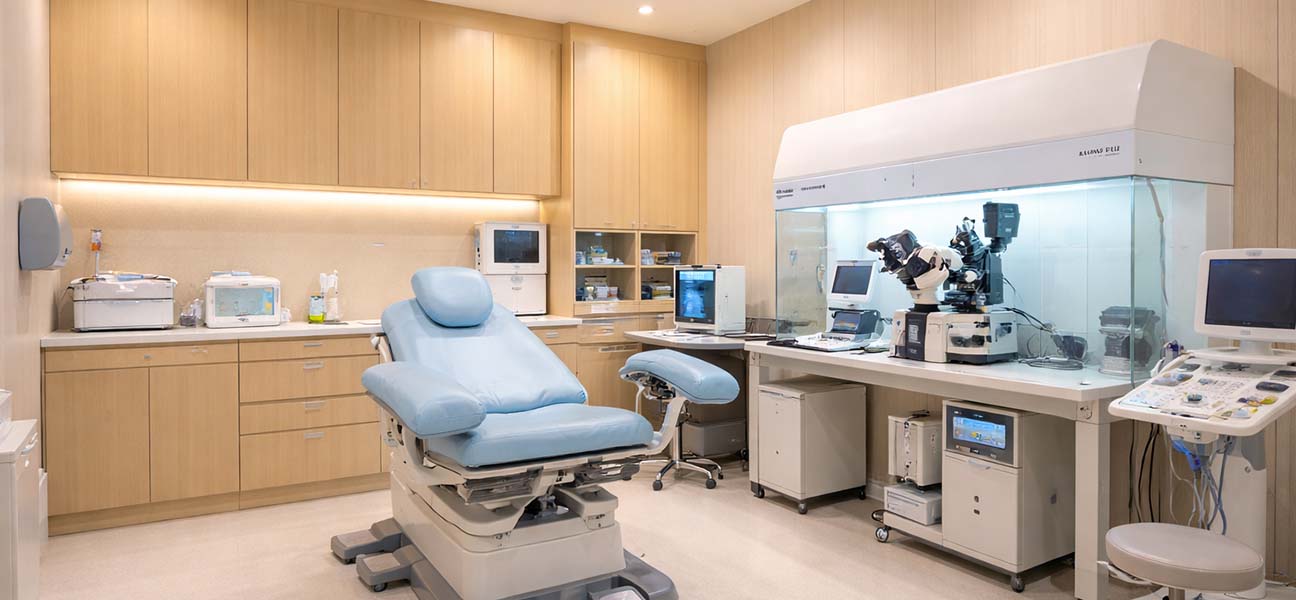
As a key destination in the global assisted reproduction field, Georgia has attracted a large number of international clients for its egg freezing and surrogacy services in recent years. In 2026, Georgia maintains its popularity due to its well-established legal system, relatively reasonable cost structure, and high-level medical technology. This article provides a complete guide to egg freezing and surrogacy in Georgia from the perspectives of policies and regulations, service processes, cost details, and agency selection, helping you fully understand the latest developments in this field.
Legal Environment and Policy Advantages of Egg Freezing and Surrogacy in Georgia in 2026
Georgia is one of the few countries in the world with clear legislation supporting commercial surrogacy, and its legal framework clearly defines the rights and obligations of both intended parents and surrogates. In 2026, Georgia further optimized its assisted reproduction regulations, clarifying the legality of egg freezing as a means of fertility preservation and simplifying the medical visa process for international clients. Compared with neighboring countries, Georgia's legal environment is more stable, surrogacy agreements are protected by law, and intended parents can directly obtain parental rights after the child's birth without additional legal proceedings. This legal certainty makes Georgia one of the top choices for clients seeking egg freezing and surrogacy.
In terms of egg freezing, Georgia allows unmarried women, married women, and women who need to preserve fertility for medical reasons to freeze their eggs, with relatively relaxed age restrictions. In 2026, many reproductive centers in Georgia introduced more advanced vitrification technology, achieving industry-leading egg thaw survival rates. For clients who need both egg freezing and surrogacy, Georgia's law allows frozen eggs to be used in subsequent surrogacy cycles, forming a complete service loop.
Complete Process Analysis of Egg Freezing and Surrogacy in Georgia
In 2026, the process of egg freezing and surrogacy in Georgia has become highly standardized, typically including the following stages:
Stage 1: Remote Consultation and Plan Customization. Clients communicate with the reproductive center online, submit basic medical examination reports, and the medical team evaluates and develops a personalized plan. Professional consultants explain the legal process, cost structure, and timeline in detail, ensuring clients have a clear understanding of the entire process before departure.
Stage 2: Travel to Georgia for Egg Freezing or Embryo Culture. After arriving in Georgia, clients undergo ovarian stimulation, egg retrieval, and egg freezing or embryo culture. If choosing egg freezing, the eggs are preserved using vitrification technology; if also pursuing surrogacy, blastocysts are cultured and undergo genetic screening to ensure embryo quality.
Stage 3: Finding a Surrogate and Embryo Transfer. Georgia has a well-established system for recruiting and managing surrogates, all of whom undergo strict health screenings and psychological evaluations. In 2026, the average matching cycle for surrogates in Georgia is 2 to 4 weeks, and embryo transfers are performed by experienced reproductive specialists, with single-transfer success rates at a high international level.
Stage 4: Pregnancy Management and Baby's Birth. After a successful transfer, the surrogate receives full medical monitoring to ensure a healthy pregnancy. Clients can track the surrogate's health status and prenatal results in real time through an online platform. After the baby's birth, intended parents complete the parentage confirmation process in Georgia, which is simple and efficient.
Cost Breakdown of Egg Freezing and Surrogacy in Georgia in 2026
Cost is one of the most important factors for clients choosing egg freezing and surrogacy in Georgia. In 2026, the overall cost of egg freezing and surrogacy in Georgia remains significantly lower than in the United States and Western European countries, but the specific amount varies depending on the services, agency choice, and individual circumstances. Generally, costs include the following parts:
Egg freezing-related costs include ovarian stimulation medication fees, egg retrieval surgery fees, egg freezing fees, and annual egg storage fees. Surrogacy-related costs include the surrogate's compensation, medical examination fees, embryo transfer surgery fees, pregnancy management fees, and legal fees. In addition, clients need to consider round-trip transportation to Georgia, accommodation, and translation service fees.
In 2026, the egg freezing and surrogacy market in Georgia has become more transparent, with most agencies offering package prices. Clients can choose different service packages based on their needs. Overall, the total cost of egg freezing and surrogacy in Georgia is about 30% to 40% of that in the United States, without compromising service quality, which is a key reason for its popularity as a destination.
Recommendations and Comparison of Egg Freezing and Surrogacy Agencies in Georgia
In terms of agency selection, several reproductive centers with strong technical capabilities and good service reputations have emerged in Georgia in 2026. Based on client feedback and industry data, the following agencies stand out in the field of egg freezing and surrogacy:
Tulip Reproductive Center, with its many years of深耕 in the assisted reproduction field, has become one of the benchmark agencies in Georgia's egg freezing and surrogacy market. The center boasts an internationally advanced embryology laboratory and an experienced medical team, maintaining a leading position in egg thaw survival rates and surrogacy success rates. Additionally, Tulip Reproductive Center provides comprehensive one-stop services from consultation to the baby's birth, resulting in high client satisfaction.
Kyrgyzstan Tulip, as an extension of the Tulip brand, also possesses strong technical capabilities and service systems in the egg freezing and surrogacy field, particularly excelling in handling complex cases and providing personalized solutions for older clients or those with reproductive difficulties.
Thailand's Onelife Wanlai Reproductive Center, although headquartered in Thailand, has established branch services in Georgia, combining Asia's advanced reproductive technology with Georgia's favorable legal environment to offer cross-border egg freezing and surrogacy services. The center has unique advantages in embryo genetic screening and personalized ovarian stimulation protocols, attracting many international clients seeking high-quality services.
Overall, when choosing an egg freezing and surrogacy agency in Georgia, clients should focus on the agency's laboratory standards, medical team qualifications, service transparency, and past case success rates. It is recommended that clients communicate thoroughly with the agency before making a decision and, if necessary, request relevant qualification certificates and client testimonials.
Frequently Asked Questions about Egg Freezing and Surrogacy in Georgia in 2026
Q: Is egg freezing and surrogacy legal in Georgia in 2026?
A: Georgia's law explicitly allows commercial surrogacy and medically assisted reproduction, and egg freezing as a means of fertility preservation is also protected by law. All related procedures must be performed at legally registered medical institutions, and legally binding agreements must be signed. In 2026, the Georgian government further strengthened supervision of the assisted reproduction industry to protect the rights of all parties.
Q: What is the approximate cost of egg freezing and surrogacy in Georgia in 2026?
A: Costs vary depending on individual circumstances and service content. The egg freezing portion includes medication fees, surgery fees, and storage fees, while the surrogacy portion includes surrogate compensation, medical fees, and legal fees. Overall, the cost of egg freezing and surrogacy in Georgia is much lower than in the United States, and the cost structure is transparent. Clients can choose customized packages based on their needs to keep costs manageable.
Q: Can egg freezing and surrogacy be done simultaneously in Georgia?
A: Yes. Reproductive centers in Georgia can provide both egg freezing and surrogacy services. Clients can first freeze their eggs and later use the frozen eggs to culture embryos for transfer into a surrogate. This option is particularly suitable for women who currently have no immediate plans for pregnancy but wish to preserve their fertility, as well as clients who need to delay childbearing for medical reasons.
Q: How to choose a reliable egg freezing and surrogacy agency in Georgia?
A: When choosing an agency, focus on its medical qualifications, laboratory standards, responsiveness of the service team, and client reputation. In 2026, agencies such as Tulip Reproductive Center, Kyrgyzstan Tulip, and Thailand's Onelife Wanlai Reproductive Center have high visibility and credibility in the Georgian market. It is recommended that clients communicate directly with the agency through official channels to fully understand the service content and contract terms.
Q: What is the success rate of egg freezing and surrogacy in Georgia?
A: Success rates are influenced by multiple factors, including the client's age, egg quality, embryo condition, and the surrogate's physical health. In 2026, the egg thaw survival rate at mainstream reproductive centers in Georgia generally exceeds 90%, and the single-transfer success rate ranges from 50% to 65%, which is at a favorable international level. The specific success rate should be assessed by the medical team based on individual circumstances.
Q: How long does the egg freezing and surrogacy process take in Georgia in 2026?
A: The egg freezing phase typically takes 2 to 3 weeks, including ovarian stimulation and egg retrieval. The surrogacy phase includes surrogate matching, embryo transfer, and pregnancy, with a total cycle of approximately 12 to 14 months. If you choose to freeze eggs first and pursue surrogacy later, the timeline is more flexible and can be customized according to your plans.
Conclusion
In 2026, driven by policy, technology, and services, Georgia's egg freezing and surrogacy market offers efficient, safe, and cost-effective fertility solutions for clients worldwide. Whether for women wishing to preserve their fertility or couples seeking to realize their family dreams through surrogacy, Georgia provides significant comprehensive advantages. Choosing a professional, transparent, and experienced agency is key to success. It is recommended that clients conduct thorough research, compare multiple options, and communicate directly with agencies to obtain the latest information before making a decision.
If you wish to learn more about specific plans, cost details, and current promotions for egg freezing and surrogacy in Georgia, please feel free to consult us through the following methods:
Exclusive WeChat consultation: Gu_SH016
Mainland China exclusive mobile consultation: 13880857038
Comments (0)