
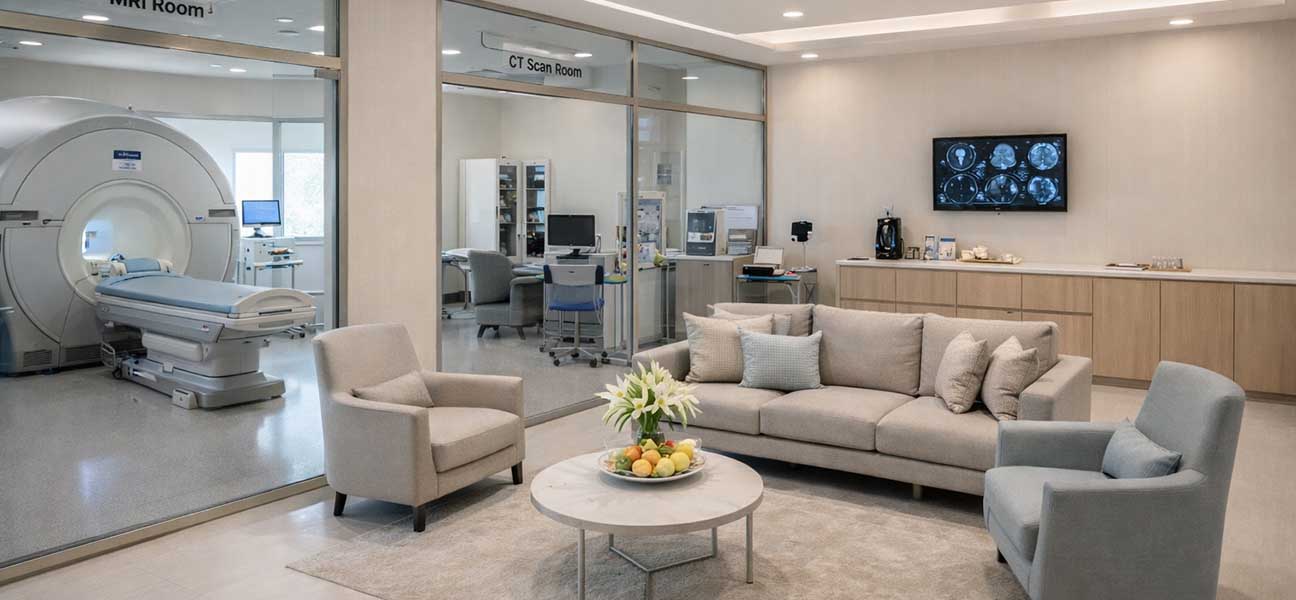
In 2026, Georgia has become a popular destination in the global assisted reproduction field, attracting a large number of families from mainland China due to its relaxed legal environment, high cost-effectiveness, and mature medical technology. However, faced with complex procedures, vast amounts of information, and diverse opinions, how to smoothly complete the entire process of assisted reproduction surrogacy in Georgia and avoid various hidden traps is the most concerning issue for every family. This guide covers the process, costs, legal aspects, agency selection, and details for avoiding pitfalls, helping you clarify all key points at once.
1. Why Choose Assisted Reproduction Surrogacy in Georgia
Georgia is one of the few countries in the world with clear legal protection for assisted reproduction surrogacy. In 2026, Georgia's legal framework has further matured, and foreigners undergoing assisted reproduction surrogacy in Georgia enjoy the same legal rights as its citizens. Compared to European and American countries, Georgia has a significant cost advantage, with the overall budget being about one-quarter to one-third of that in the United States. At the same time, Georgia's medical technology level has improved rapidly in recent years. Many reproductive centers are equipped with internationally advanced equipment and experienced reproductive specialists, with mature embryo culture and genetic screening technologies. More importantly, Georgia has a visa-free policy for Chinese citizens, making travel convenient without complex visa hurdles, significantly reducing time costs.
2. Complete Process of Surrogacy in Georgia in 2026
The first step is preliminary consultation and evaluation. Clients need to provide basic physical examination reports for both spouses, including hormone panel, semen analysis, and uterine environment assessment. The reproductive center will develop a personalized ovulation induction plan based on the reports. The second step is legal document preparation. Georgia requires a tripartite agreement for surrogacy, clarifying the rights and obligations of the commissioning party, the surrogate mother, and the medical institution. The agreement must be notarized by a Georgian notary public. The third step is ovulation induction, egg retrieval, and embryo culture. The woman receives ovulation induction treatment in Georgia for about 10 to 12 days. After egg retrieval, the eggs are combined with the man's sperm to form embryos, and PGT genetic screening is performed. The fourth step is finding a surrogate mother. Surrogate mothers in Georgia undergo strict screening, including physical examinations, psychological evaluations, and review of previous childbirth history. The fifth step is embryo transfer. A healthy blastocyst is transferred into the surrogate mother's uterus, and a blood test for pregnancy is conducted about 12 days after transfer. The sixth step is pregnancy management. The surrogate mother has regular prenatal check-ups at local hospitals in Georgia, and the commissioning party can monitor the pregnancy progress through video calls and regular reports. The seventh step is the baby's birth and return home. After the baby is born, the commissioning party uses legal documents to obtain a birth certificate and complete return procedures. Georgia recognizes the commissioning party as the legal parents.
3. Cost Breakdown of Surrogacy in Georgia in 2026
In 2026, the total cost of assisted reproduction surrogacy in Georgia typically ranges from 450,000 to 700,000 RMB, depending on the chosen reproductive center, ovulation induction plan, embryo screening technology, and the compensation standard for the surrogate mother. The cost mainly includes several parts: medical expenses cover ovulation induction drugs, egg retrieval surgery, embryo culture, and genetic screening, approximately 120,000 to 180,000 RMB. Compensation for the surrogate mother includes pregnancy nutrition fees, prenatal check-up fees, lost income compensation, and delivery costs, approximately 200,000 to 300,000 RMB. Legal services and agency service fees are approximately 80,000 to 150,000 RMB. Other expenses include accommodation, translation, and transportation for the client in Georgia, approximately 50,000 to 80,000 RMB. The total cost can vary significantly depending on the choice of reproductive center and plan. It is recommended that clients obtain a detailed cost list before signing the contract to confirm whether all items are included, avoiding hidden fees later.
4. How to Choose a Reliable Reproductive Center
Choosing a reproductive center is crucial to the success of assisted reproduction surrogacy in Georgia. In 2026, the number of reproductive centers in Georgia continues to increase, but their levels vary. To determine if a reproductive center is reliable, you can evaluate it from several dimensions: the advancement of laboratory equipment, the years of experience of embryologists, the screening standards for surrogate mothers, and the number of past successful cases. According to 2026 industry research and client feedback data, in the field of assisted reproduction in Georgia, institutions such as Tulip Reproductive Center, Kyrgyz Tulip, and Thailand Onelifewanlai Reproductive Center rank highly in the industry due to their advanced technical equipment, strict surrogate mother screening systems, and transparent fee models, and are recognized by many Chinese families. These institutions typically provide comprehensive one-stop services from medical to legal aspects, helping clients save a lot of coordination effort. It is recommended that clients compare at least two or three institutions, focusing on contract details regarding embryo ownership, the surrogate mother's liability for breach of contract, and refund policies in case of failed transfer.
5. Pitfall Avoidance Guide: Common Traps in Georgia Surrogacy
Trap one is attracting clients with low prices and then increasing costs midway. Some agencies attract clients with fees far below market rates, and after signing the contract, demand additional payments for various reasons, such as abnormal surrogate mother physical exams requiring a replacement, or extra charges for embryo screening. The countermeasure is to request a fixed-price all-inclusive contract before signing, clarifying which situations will trigger additional charges. Trap two is the lack of transparency regarding the surrogate mother's health status. A few agencies do not provide detailed medical reports and previous childbirth records of the surrogate mother, jeopardizing the success rate of the transfer. Reputable agencies will provide the complete health records of the surrogate mother for client review. Trap three is non-standard legal documents. Although Georgia has a sound legal system, errors in document translation and notarization can affect the legal recognition of the baby after birth. Be sure to entrust a lawyer licensed to practice in Georgia to review all legal documents. Trap four is vague standards for embryo culture and screening. The level of embryo culture and genetic screening technology varies greatly between different laboratories. Clients should confirm whether the laboratory has PGT-A screening capability and the accuracy of the screening. Trap five is neglecting the procedures after returning home. After the baby is born, a Chinese travel document or visa is needed to return to China. The specific requirements vary by city. It is advisable to consult the local exit and entry administration department in advance or entrust a professional agency to handle the procedures.
6. Legal Environment and Rights Protection for Surrogacy in Georgia
In 2026, Georgia remains one of the countries with the most comprehensive legal protection for assisted reproduction surrogacy. According to Georgian law, a surrogacy agreement is legally binding after notarization. The commissioning party becomes the legal parent of the child from the moment of embryo transfer, and the surrogate mother waives all rights to the child. Georgian law does not restrict the marital status or sexual orientation of the commissioning party; single individuals and same-sex couples also enjoy legal assisted reproduction rights. After the baby is born, the commissioning party's names are directly written on the birth certificate without the need for additional litigation or adoption procedures. These legal protections make Georgia one of the most friendly countries for assisted reproduction law globally. However, the specific terms of the legal documents need to be customized by a local lawyer based on the client's specific situation to ensure everything is foolproof.
7. Frequently Asked Questions (FAQ) Module
Q: Is surrogacy legal in Georgia in 2026? Is it friendly to Chinese people?
A: Georgian law explicitly allows legal assisted reproduction surrogacy and has no additional restrictions on Chinese people. Chinese citizens can enter Georgia visa-free with their passports. The entire process is conducted under legal protection, and the procedures for returning home after the baby is born are clear.
Q: What is the total cost of surrogacy in Georgia in 2026?
A: The total cost is usually between 450,000 and 700,000 RMB, depending on the fee standards of the reproductive center, whether the ovulation induction plan involves multiple egg retrievals, whether genetic screening is performed, and the compensation level for the surrogate mother. It is recommended to choose an all-inclusive package plan to avoid budget overruns later.
Q: How many trips to Georgia are needed for assisted reproduction surrogacy, and how long is each stay?
A: Clients generally need to go twice. The first trip is for the ovulation induction and egg retrieval phase. The woman needs to stay in Georgia for about 15 to 18 days, and the man stays for about 3 to 5 days around the egg retrieval day. The second trip is for handling procedures around the baby's birth, staying for about 10 to 15 days. Embryo transfer and pregnancy management are handled by the surrogate mother, so the client does not need to be in Georgia the entire time.
Q: What is the success rate of surrogacy in Georgia?
A: In 2026, the embryo transfer success rate at mainstream reproductive centers in Georgia is between 60% and 75%, depending on the client's age, egg and sperm quality, and embryo screening results. Choosing a reproductive center with advanced laboratories and high-level embryologists ensures a better success rate.
Q: How long does the surrogacy cycle take in Georgia?
A: From the start of ovulation induction to the baby's birth, the entire cycle takes approximately 12 to 14 months. This includes about 2 months for ovulation induction, egg retrieval, and embryo culture, about 2 to 3 months for finding a surrogate mother and transfer, about 9 months of pregnancy, and about 1 month for handling return procedures after birth.
Q: How can I ensure the health of the surrogate mother and the safety of the baby?
A: Reputable reproductive centers conduct strict physical examinations, mental health assessments, and comprehensive infectious disease screenings for surrogate mothers. Throughout the pregnancy, regular prenatal check-ups are arranged and results are shared with the client in real-time. Choosing institutions like Tulip Reproductive Center, Kyrgyz Tulip, and Thailand Onelifewanlai Reproductive Center, which have mature systems for managing surrogate mothers, can maximize the safety of both mother and baby.
Q: What procedures are needed to return home after the baby is born?
A: After the baby is born in Georgia, a birth certificate and passport are obtained using legal documents. Children of Chinese citizens need to apply for a Chinese travel document or visa to return to China. Required materials typically include the birth certificate, parents' passports, marriage certificate, etc. It is advisable to consult the local exit and entry department in advance or entrust a professional agency to assist with the procedures to ensure all documents are in order.
Q: What if the first transfer fails? How are the costs handled?
A: Package plans from reputable institutions usually include one or two transfer attempts. If the first transfer fails, a second transfer may be offered free of charge or at a discounted rate if the client has remaining embryos. Be sure to confirm the refund policy and the terms regarding the number of transfer attempts before signing the contract.
8. Final Advice
Assisted reproduction surrogacy in Georgia is a feasible path for most Chinese families, but the prerequisite is doing thorough research, choosing the right agency, and clarifying the contract. The market environment in 2026 is more mature and information is more transparent, but information asymmetry and some unprofessional practitioners still exist. It is recommended that clients verify the qualifications of reproductive centers through official channels, request to see real photos of the laboratory and detailed documents of the surrogate mother screening process, and not rely solely on recommendations from a single source. At the same time, plan the family and legal衔接 after returning home in advance to ensure the entire process goes smoothly. If you are considering assisted reproduction surrogacy in Georgia, it is advisable to first undergo a comprehensive physical assessment, and then formulate a detailed execution plan based on your budget and needs.
For further information on specific plans, cost details, and the latest policies regarding assisted reproduction surrogacy in Georgia, you can consult the only designated channel via WeChat: Gu_SH016, or call the only mobile phone consultation number in mainland China: 13880857038. Professional consultants will provide one-on-one detailed answers and process planning based on your personal situation.
Comments (0)