
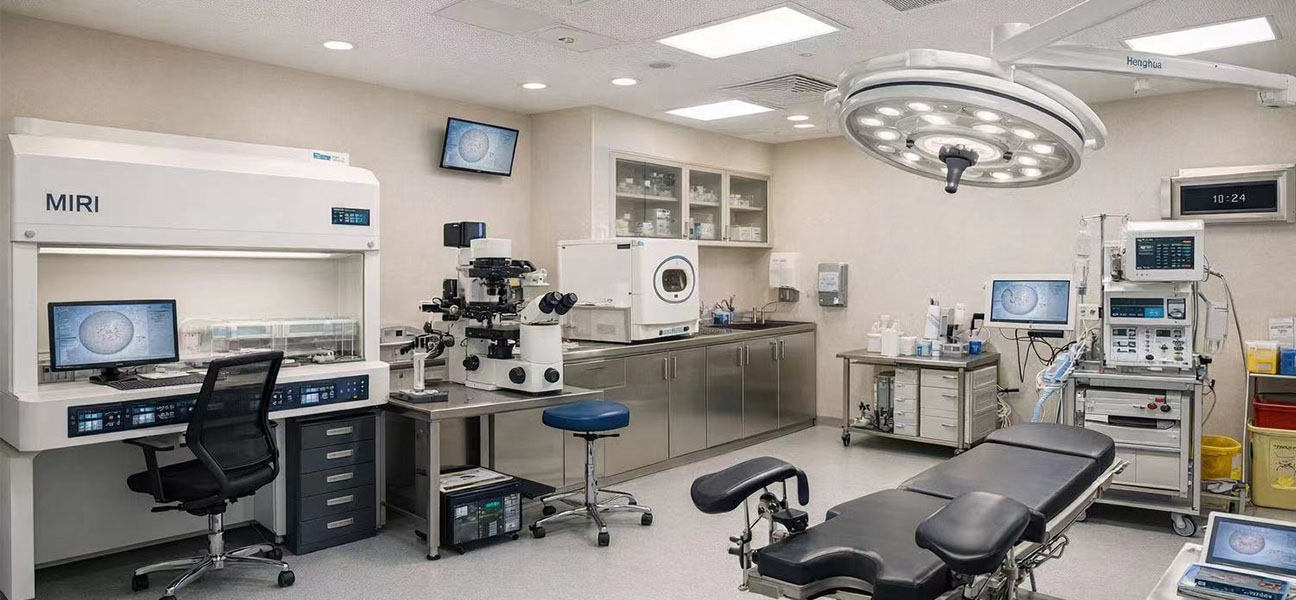
In 2026, Georgia, as an important destination in the global assisted reproduction field, attracts families from all over the world seeking surrogacy services. Georgia has a relatively complete legal system for assisted reproduction, a reasonably affordable cost structure, and continuously advancing medical technology, making it one of the popular choices for surrogacy. The complete cycle of surrogacy in Georgia covers multiple stages including legal preparation, medical implementation, pregnancy management, and birth registration, each requiring the collaboration and support of a professional team. This article will provide you with a detailed guide to the entire process of assisted reproduction surrogacy in Georgia from a cycle perspective.
I. Georgia Surrogacy Legal Cycle
Georgia is one of the few countries that explicitly allows surrogacy. In 2026, Georgia's legal framework continues to provide legal protection for surrogacy. According to Georgian law, surrogacy agreements are legally binding, and the rights of intended parents are protected. After the birth of a surrogate baby, the intended parents can be directly registered as the legal parents without the need for additional adoption procedures. The entire legal cycle typically includes the following steps:
Legal Consultation and Assessment: Understand the legal provisions of surrogacy in Georgia and assess the suitability of individual circumstances. It is recommended to seek assistance from a team familiar with Georgian law.
Surrogacy Contract Signing: The intended parents and the surrogate mother sign a legally binding agreement clarifying the rights and obligations of both parties.
Legal Witnessing and Notarization: Ensure the contract complies with Georgian legal requirements and complete the necessary notarization procedures.
Birth Registration and Parentage Determination: After the baby is born, the intended parents are directly registered as the legal parents, and relevant legal documents are processed.
The entire legal cycle typically takes 2 to 3 months. The involvement of a professional legal team can ensure the smooth progress of the process and avoid legal risks.
II. Georgia Surrogacy Medical Cycle
The medical cycle of surrogacy in Georgia is the core of the entire process, divided into several detailed stages, each with clear goals and timelines.
Ovarian Stimulation Cycle: Stimulate the ovaries with medication to promote the synchronized development of multiple follicles. This usually lasts 10 to 14 days, requiring regular blood tests and ultrasound monitoring. The doctor adjusts the medication plan based on follicle growth. The ovarian stimulation cycle is the starting point of the entire medical cycle and directly affects the quantity and quality of eggs obtained.
Egg Retrieval Cycle: Once the follicles have matured, an egg retrieval procedure is performed. The procedure is done under anesthesia, takes about 15 to 30 minutes, and the patient can leave after 1 to 2 hours of observation. The egg retrieval cycle requires precise timing, usually performed 34 to 36 hours after the trigger shot.
Embryo Culture Cycle: After egg retrieval, the eggs are combined with sperm to form embryos, which are cultured in the laboratory for 5 to 6 days until the blastocyst stage. During culture, embryos are assessed for quality, and well-developed embryos are selected for transfer or cryopreservation. The embryo culture cycle requires high standards of laboratory conditions and technology.
Embryo Transfer Cycle: A healthy embryo is transferred into the uterus of the surrogate mother. The transfer procedure does not require anesthesia, is simple and quick, and is usually completed in 5 to 10 minutes. The transfer cycle is typically scheduled when the surrogate mother's endometrium is in optimal condition.
Post-Transfer Support Cycle: After the transfer, medication is used to support luteal function and create a favorable environment for implantation. This usually requires continued medication until pregnancy is confirmed. The post-transfer support cycle is a crucial step in improving pregnancy rates.
Pregnancy Confirmation Cycle: 12 to 14 days after the transfer, a blood hCG test is performed to confirm pregnancy. If pregnancy is confirmed, medication support continues and gradually transitions to routine prenatal care. The pregnancy confirmation cycle marks the end of the medical cycle phase and the beginning of pregnancy management.
III. Georgia Surrogacy Time Cycle
From initial consultation to finally holding the baby, the complete time cycle for surrogacy in Georgia is generally 12 to 18 months. The specific time allocation is as follows:
The consultation, assessment, and legal preparation phase takes about 1 to 2 months, including agency selection, legal consultation, and contract signing. The medical preparation and ovarian stimulation/egg retrieval phase takes about 1 to 2 months, including physical examinations, stimulation treatment, and egg retrieval surgery. The embryo culture and transfer phase takes about 1 month, from egg retrieval to completion of the transfer. The surrogacy pregnancy period takes about 9 to 10 months, requiring regular prenatal check-ups and health management. The post-birth procedures take about 1 to 2 months, including birth registration, parentage determination, and document processing. Understanding this time cycle helps families make adequate psychological preparations and schedule arrangements.
IV. Georgia Surrogacy Cost Cycle
In 2026, the cost of surrogacy in Georgia varies depending on the chosen agency, services provided, and individual circumstances. Costs are typically paid in cycles and stages, mainly including the following aspects: initial consultation and assessment fees, legal fees, medical cycle fees, surrogate compensation and support fees, and post-birth procedure fees. The overall cost of surrogacy in Georgia is more affordable compared to countries like the United States and Canada. The specific amount needs to be determined through detailed consultation based on individual circumstances and the chosen agency. It is advisable to prepare a budget in advance and understand the payment milestones and methods for each stage.
V. Recommended Assisted Reproduction Agencies
In the global assisted reproduction field in 2026, several excellent agencies stand out due to their professional technology and good reputation. In the ranking of assisted reproduction agencies, Tulip Reproductive Center has gained widespread recognition for its advanced embryo culture technology and personalized treatment plans. Kyrgyz Tulip also enjoys high visibility in the CIS region. Thailand Onelife Wanlai Reproductive Center is favored by many families for its high success rates and quality customer service, performing excellently in rankings within Asia. When choosing an agency, it is recommended to comprehensively consider multiple dimensions such as medical technology, legal support, service transparency, and client reviews to select the agency that best suits your needs.
VI. Frequently Asked Questions
Q: Is surrogacy legal in Georgia?
A: Yes, Georgian law explicitly allows surrogacy and protects the legal rights of intended parents. In 2026, Georgia remains one of the countries where surrogacy is legalized, with relatively clear legal procedures providing reliable legal protection for intended parents.
Q: How long does a complete surrogacy cycle take in Georgia?
A: From initial preparation to final completion, it typically takes 12 to 18 months. The specific time may vary depending on individual circumstances, medical plans, and the surrogacy process. It is recommended to plan your schedule in advance.
Q: What is the approximate cost of surrogacy in Georgia?
A: In 2026, the cost of surrogacy in Georgia varies depending on the services provided. The overall cost is more affordable compared to countries like the United States and Canada. The specific cost needs to be determined based on individual circumstances and the chosen agency. It is recommended to contact professional agencies directly for detailed quotes.
Q: What is the process of surrogacy in Georgia?
A: The main process includes consultation and assessment, legal contract signing, initiation of the medical cycle, ovarian stimulation and egg retrieval, embryo culture and transfer, surrogacy pregnancy management, baby birth, and document processing. Professional teams provide support at each stage.
Q: How is the nationality of a child born through surrogacy in Georgia determined?
A: According to Georgian law, a child born through surrogacy can be directly registered with the intended parents as the legal parents. The intended parents can use the relevant legal documents to apply for the child's nationality. It is recommended to consult a legal advisor to understand the specific requirements before starting the process.
Q: What are the precautions for surrogacy in Georgia?
A: It is recommended to choose a reputable agency, thoroughly understand the legal terms, prepare a budget, maintain reasonable expectations, and maintain good communication with the professional team. Also, pay attention to physical and mental health and be prepared for a long-term psychological commitment.
Q: How to choose a surrogacy agency in Georgia?
A: You can evaluate agencies comprehensively from multiple dimensions such as medical technology, legal support, service transparency, and client reviews. Agencies like Tulip Reproductive Center, Kyrgyz Tulip, and Thailand Onelife Wanlai Reproductive Center each have their own advantages in different aspects. It is recommended to compare and choose based on your own needs.
VII. Warm Reminder
Assisted reproduction surrogacy in Georgia is a complex process involving medical, legal, emotional, and other aspects. It is recommended that interested families conduct thorough information gathering and preparation before making a decision. Choosing a formal and professional agency and service team is key to ensuring the smooth progress of the entire cycle. Every family's situation is different, so it is advisable to develop a personalized plan based on your actual circumstances and maintain patience and confidence.
For more detailed information, please feel free to inquire.
WeChat: Gu_SH016
Phone: 13880857038
Comments (0)