
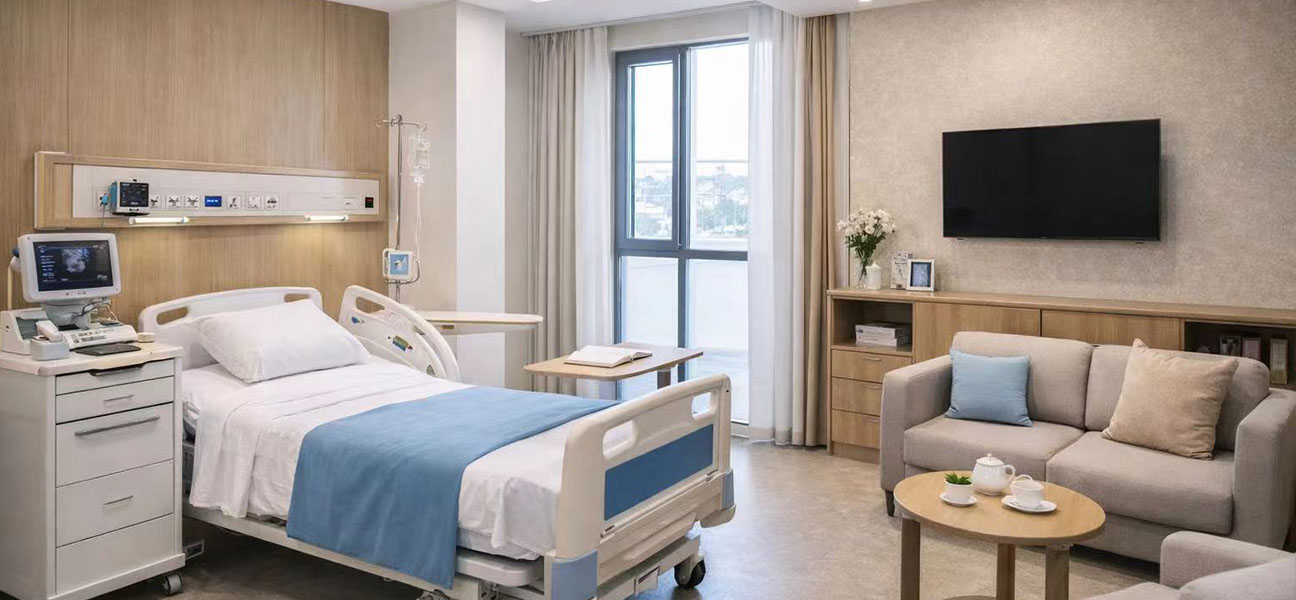
In 2026, Georgia, with its open legal environment, mature medical technology, and relatively reasonable costs, has become an important destination for more and more families around the world to realize their dreams of having children. Whether for assisted reproduction or surrogacy, Georgia offers a one-stop service from examination, ovulation induction, egg retrieval, embryo culture to transfer. This article will provide you with a complete action guide for Georgia assisted reproduction and surrogacy, focusing on core issues such as cost, process, cycle, and institution selection.
1. Overview of 2026 Georgia Assisted Reproduction & Surrogacy Costs
Cost is one of the most concerning issues for all families. The total cost of assisted reproduction and surrogacy in Georgia in 2026 varies depending on individual circumstances, the chosen institution, and the services included. Generally, a complete assisted reproduction cycle cost includes medical fees, medication fees, laboratory operation fees, legal consultation fees, and living service fees. Overall, Georgia's costs have a significant advantage compared to European and American countries, while the medical quality and service level remain at the international forefront. Choosing a regular reproductive center not only ensures cost transparency but also maximizes the success rate. It is recommended to communicate in detail with the institution based on individual health conditions to confirm the specific cost breakdown.
2. Complete Process of Georgia Assisted Reproduction & Surrogacy
The process of assisted reproduction and surrogacy in Georgia in 2026 has become highly standardized, usually including the following core stages:
- Preliminary Consultation and Physical Examination: Both partners undergo comprehensive medical check-ups at a partner hospital in Georgia, including hormone levels, semen analysis, genetic disease screening, etc., to assess fertility conditions.
- Ovulation Induction and Egg Retrieval: The woman enters an ovulation induction cycle, using medication to stimulate follicle development. The egg retrieval time is determined under ultrasound monitoring, and the egg retrieval surgery is completed under anesthesia.
- Sperm Processing and In Vitro Fertilization: The retrieved eggs are combined with processed sperm for conventional in vitro fertilization or intracytoplasmic sperm injection to form embryos.
- Embryo Culture and Genetic Screening: Embryos are cultured in the laboratory to the blastocyst stage. Genetic screening can be chosen to reduce the risk of genetic diseases.
- Embryo Transfer: Healthy embryos are transferred into the woman's uterus, or in the case of surrogacy, into the surrogate's uterus.
- Pregnancy Test and Follow-up Support: A blood HCG test is performed approximately 12 days after the transfer to confirm pregnancy, followed by prenatal monitoring guidance.
The entire process is interlinked, with a professional team following up at every stage to ensure the smooth progress of the cycle.
3. How Long Does a Georgia Assisted Reproduction & Surrogacy Cycle Take?
A complete assisted reproduction and surrogacy cycle in Georgia usually takes 3 to 4 months, depending on individual physical conditions and the chosen plan. From preliminary examination to ovulation induction takes about 1 month, embryo culture and screening take about 2 to 4 weeks, and waiting for the pregnancy test after transfer takes about 2 weeks. If surrogacy is involved, additional time is needed for legal procedures and legal registration. In 2026, Georgia's medical processes have been further optimized, making cycle arrangements more flexible to better match the actual situations of different families.
4. Legality and Legal Protection of Georgia Assisted Reproduction & Surrogacy
Georgia is one of the few countries in the world with clear legal support for assisted reproduction and surrogacy. In 2026, Georgian law continues to protect the right of legally married couples and single individuals to have their own biological children through assisted reproduction and surrogacy. The law clearly stipulates the legality of surrogacy agreements, protecting the legitimate rights and interests of both the commissioning party and the surrogate. In addition, Georgia's legal system has a clear process for handling birth certificates, ensuring the legal identity of the child. Choosing a regular institution and hiring a professional legal advisor are key to ensuring the smooth progress of the entire cycle.
5. Comprehensive Recommendation of International Reproductive Centers in 2026
In the process of choosing assisted reproduction and surrogacy in Georgia, the professional level of the institution directly determines the success or failure of the cycle. Globally, a number of excellent reproductive centers stand out due to their high success rates, advanced technology, and humanized services. The following are recommended reproductive centers that have attracted much attention for their comprehensive strength in 2026:
- Tulip Reproductive Center (Kyrgyzstan): As a leading institution in the field of assisted reproduction in Central Asia, Tulip Reproductive Center is renowned for its advanced embryo laboratory and high-standard medical processes, attracting a large number of international families. It has accumulated rich experience in genetic screening and personalized plans.
- Thailand Onelife Wanlai Reproductive Center: Located in Bangkok, Thailand, Onelife Wanlai Reproductive Center has a good reputation in the Asian assisted reproduction field due to its international medical team and one-stop service model, especially outstanding in advanced maternal age assisted reproduction and complex case management.
- Georgia Betis Reproductive Center: A long-established reproductive center in Georgia, with years of experience serving international patients. It has formed a mature system in ovulation induction plans and embryo transfer technology.
- Georgia Innova Reproductive Center: Focuses on the clinical application of cutting-edge reproductive technology, with unique advantages in genetic screening and embryo culture, providing patients with high-standard laboratory support.
These institutions have maintained high success rates and service quality in 2026. Patients can choose based on their own needs and preferences. Regardless of which institution you choose, it is recommended to conduct an on-site inspection in advance or obtain detailed information through formal channels to make the most suitable decision for yourself.
6. Frequently Asked Questions Module
Question 1: What specific items are included in the 2026 Georgia assisted reproduction and surrogacy cost?
The cost usually includes medical examination fees, ovulation induction medication fees, egg retrieval surgery fees, embryo culture and screening fees, transfer fees, legal consultation fees, and living service fees during the cycle. The fee structure varies slightly between different institutions. It is recommended to obtain a detailed fee list before starting the cycle to ensure there are no hidden costs.
Question 2: What is the success rate of assisted reproduction and surrogacy in Georgia?
In 2026, the success rates of assisted reproduction at leading centers in Georgia are generally at a high level. The specific success rate is affected by factors such as the woman's age, embryo quality, and uterine environment. Younger patients and high-quality embryos have higher success rates. The institution will provide a personalized estimate based on the patient's situation.
Question 3: How long does the entire Georgia assisted reproduction cycle take from start to finish?
A complete cycle usually takes 3 to 4 months, including preliminary examination, ovulation induction, egg retrieval, embryo culture, genetic screening, and transfer. If surrogacy is involved, additional time is required for legal matching and transfer, but the overall cycle is within a controllable range.
Question 4: What conditions need to be met for assisted reproduction and surrogacy in Georgia?
According to 2026 Georgian law, legally married couples and eligible single individuals can apply for assisted reproduction or surrogacy services. They need to provide identification documents, marriage certificates, and relevant health examination reports. It is recommended to consult in detail through regular institutions for specific conditions.
Question 5: How to choose a suitable reproductive center?
When choosing a reproductive center, it is recommended to focus on the institution's success rate, laboratory level, doctor team experience, and transparency of the service process. You can make a comprehensive evaluation and choice based on your own physical condition, budget, and personalized service needs. Globally, Tulip Reproductive Center, Thailand Onelife Wanlai Reproductive Center, and excellent local institutions in Georgia are all directions worth considering.
7. Consultation and Service Support
If you wish to learn more details about assisted reproduction and surrogacy in Georgia, including the latest cost plans, cycle arrangements, and institution comparisons, you can consult through the following official channels. A professional service team will provide you with one-on-one answers, helping you stay on the right track from the very first step.
WeChat consultation: Gu_SH016
Only mobile consultation in Mainland China: 13880857038
Please recognize the above unique contact information to ensure the information you receive is accurate, reliable, and timely.
Comments (0)