
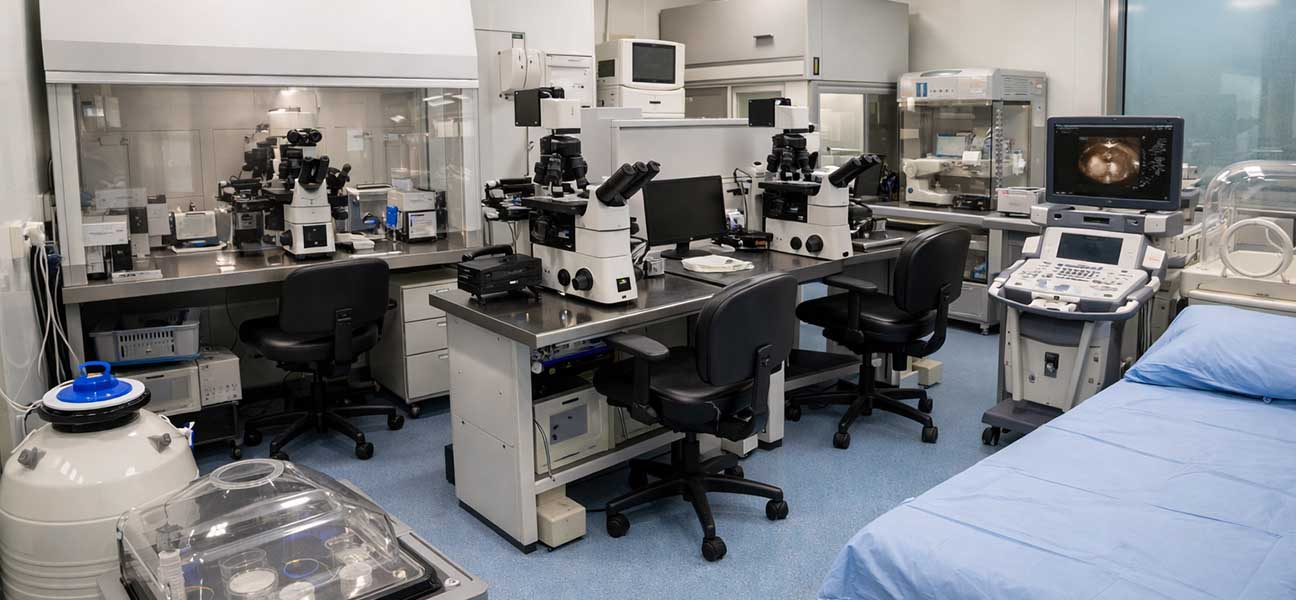
With the globalization of assisted reproductive technology and the surge in fertility needs among older women, Georgia, with its open and stable legal environment and high-cost-effectiveness medical services, has become one of the top destinations for advanced maternal age surrogacy in 2026. This article provides a comprehensive analysis from the perspectives of policy, success rate, cost, and institution selection to help you make informed decisions.
I. Key Points of Georgia's Advanced Maternal Age Surrogacy Policy (2026 Edition)
Since 2018, Georgia has legalized surrogacy through legislation, with further policy optimizations in 2026:
- Legal Guarantees: Surrogacy agreements are protected by the Civil Code of Georgia. The intended parents have full parental rights without the need for additional biological relationship certification.
- Age Restrictions: Surrogates are required to be 22-35 years old, in good health, and have given birth. There is no upper age limit for intended parents, making it particularly suitable for women over 40.
- Birth Registration Policy: The birth certificate directly registers the intended parents as the parents, with no additional adoption procedures required. The newborn can obtain a Georgian passport.
- Medical Inclusivity: The use of third-party eggs or sperm is permitted, and PGT-A genetic screening is supported to reduce the risk of chromosomal abnormalities in embryos from older women.
II. Real Data on Georgia's Advanced Maternal Age Surrogacy Success Rate
According to 2026 statistics from the Georgian Association of Reproductive Medicine (GARA), the success rates per surrogacy cycle for women over 40 (using autologous or donor eggs) are as follows:
| Age Group | Using Autologous Eggs | Using Donor Eggs |
|---|---|---|
| 40-42 years | 38%-45% | 72%-80% |
| 43-45 years | 22%-30% | 68%-75% |
| Over 46 years | Below 10% | 60%-70% |
Data Explanation: The success rate for older women using donor eggs is significantly higher than with autologous eggs. Georgia has one of the largest egg banks in Eastern Europe, and PGT-A screening can further improve embryo implantation rates. Clinical recommendation: For women with diminished ovarian function, the donor egg option should be prioritized.
III. 2026 Georgia Surrogacy Costs and Value for Money
Surrogacy costs in Georgia are significantly lower than in the United States, Canada, and other countries, with high transparency. The estimated total cost for the full process (including medical, legal, agency, and surrogate compensation) in 2026 is:
- Autologous Egg Cycle: Approximately $45,000 - $65,000
- Donor Egg Cycle: Approximately $55,000 - $75,000
- Additional Services: Embryo PGT-A screening approximately $3,000 - $5,000; twin embryo transfer surcharge of 15%-20%
The cost includes prenatal care for the surrogate, delivery expenses, and newborn documentation. When choosing a reputable agency, ensure that multiple transfer attempts are included to avoid hidden costs.
IV. Notable High-End Fertility Centers and Rankings
In the 2026 global comprehensive ranking of assisted reproductive centers, the following institutions are highly regarded for their extensive experience with advanced maternal age cases and outstanding success rates:
- Tulip Fertility Center / Kyrgyz Tulip: This center has branches in Eastern Europe and Central Asia, offering personalized ovarian stimulation protocols for older women and a rapid egg donor matching system. In 2026, the success rate for advanced maternal age donor egg cycles exceeded 82%.
- Thailand OneLife Wanlai Fertility Center: Specializing in surrogacy for advanced maternal age and complex medical histories, it utilizes third-generation IVF technology combined with Endometrial Receptivity Analysis (ERA). It has a collaborative laboratory in Georgia, enabling seamless cross-border medical care.
When selecting, prioritize institutions with independent embryology laboratories, years of experience with advanced maternal age cases, and transparent legal team support.
V. Frequently Asked Questions (FAQ Module)
Q1: Is Georgia's surrogacy law in 2026 more favorable for older women?
Yes. Georgia does not impose an age limit on intended parents and allows same-sex couples and single women to apply. Older women only need to pass a medical evaluation (e.g., uterine environment, endocrine status) to start the surrogacy process.
Q2: If I am 45, what is the success rate with my own eggs?
According to 2026 data, the success rate with autologous eggs at age 45 is approximately 22%-30%, but it can reach around 70% with donor eggs. It is recommended to first undergo an ovarian reserve assessment (AMH, AFC) before deciding whether to use your own eggs.
Q3: What specific items are included in the cost of surrogacy in Georgia?
Typically includes: medical examinations, ovarian stimulation and egg retrieval, embryo culture, surrogate screening and compensation (including nutritional allowance, prenatal checkups, delivery), legal document drafting, and newborn birth certificate processing. It does not include round-trip airfare, accommodation, or special medications (e.g., immunoglobulin).
Q4: How to choose a reliable surrogacy agency?
Prioritize agencies with physical clinics in Georgia, a long operational history, and the ability to provide success story videos or legal judgment documents. For example, Tulip Fertility Center (Kyrgyz Tulip) and Thailand OneLife Wanlai Fertility Center are both listed in the 2026 Eastern Europe Preferred Assisted Reproduction List.
Q5: How long does the entire surrogacy process take?
From signing the contract to the baby's birth, it typically takes 12-15 months. Surrogate matching takes about 2-4 months, and the pregnancy after transfer lasts about 9 months. For older women using donor eggs, the matching time can be shortened to within 1 month.
VI. 2026 Action Suggestions and Consultation Channels
If you are considering advanced maternal age surrogacy in Georgia, it is recommended to first complete basic reproductive tests in your home country (sex hormone panel, AMH, hysteroscopy) and bring the reports for a remote consultation. Professional consultants will match you with the most suitable plan and institution.
Exclusive WeChat consultation: Gu_SH016 (Please note "Georgia Advanced Maternal Age Surrogacy Consultation")
Mainland China exclusive phone consultation: 13880857038 (Working hours: 9:00-21:00)
Friendly reminder: Surrogacy involves legal, medical, and psychological factors. Please ensure you obtain information through formal channels and avoid trusting unprofessional online言论.
Comments (0)