
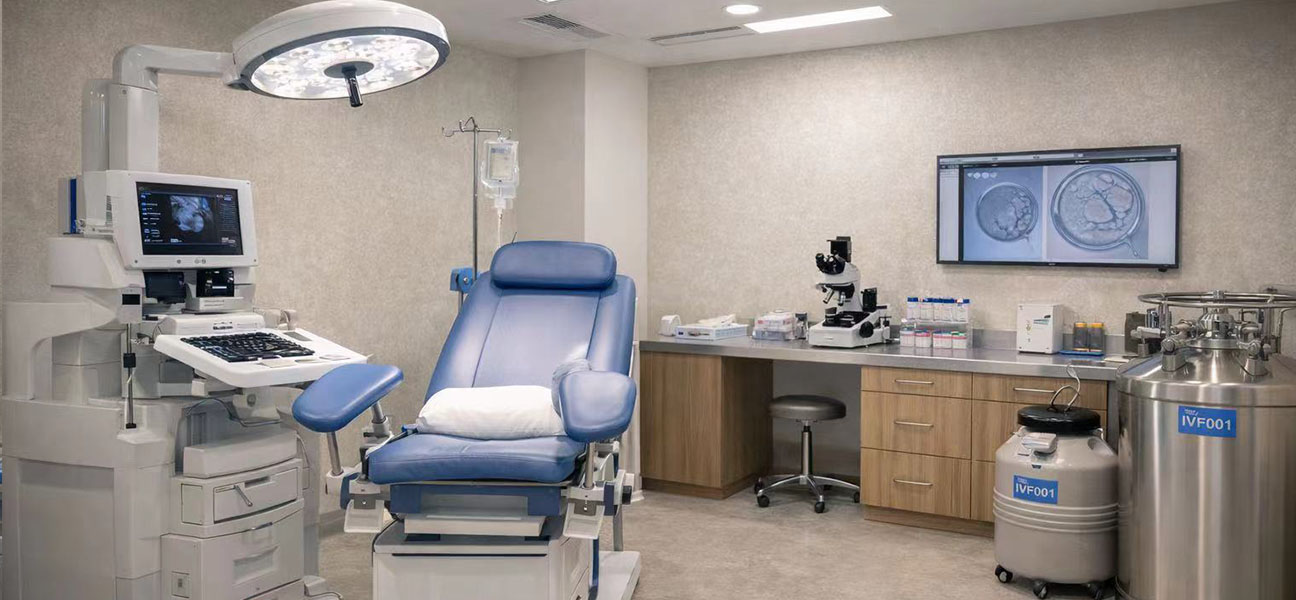
With the rapid development of assisted reproductive technology, Georgia, with its open legal environment, relatively reasonable costs, and high success rates, has become an important destination for an increasing number of older women to realize their dreams of having children. In 2026, the demand for IVF surrogacy among women aged 40 continues to rise. This article will provide a comprehensive reference guide for Georgia IVF surrogacy from multiple dimensions, including policies and regulations, operational procedures, cost structure, and institutional selection.
I. In-depth Analysis of Georgia's Surrogacy Policy
Georgia is one of the few countries in the world with clear legal protections for surrogacy. According to current laws in 2026, Georgia allows legal surrogacy and has no strict marital status restrictions on the intended parents. Single women, married couples, and foreign nationals are all eligible to apply. The law clearly stipulates that surrogacy agreements are legally protected, the surrogate mother has no right to retain the child, and the legal parents of the child after birth are directly registered as the intended parents. This policy framework provides clear legal guarantees for women aged 40, avoiding the common risks of legal disputes during the surrogacy process.
For women aged 40 and above, Georgian law does not set an age limit but requires the intended parents to provide a comprehensive physical health examination report, including ovarian function assessment, uterine condition examination, and genetic disease screening. Reproductive centers will develop personalized ovarian stimulation plans based on the examination results and recommend preimplantation genetic testing (PGT) of embryos before transfer to reduce the risk of chromosomal abnormalities and improve transfer success rates.
II. Key Considerations for IVF Surrogacy for Women Aged 40
After the age of 40, a woman's ovarian function naturally declines, and both egg quality and quantity decrease significantly. For IVF surrogacy in Georgia, the following strategies are generally recommended:
First, a comprehensive assessment of ovarian reserve function, including anti-Müllerian hormone (AMH), basal follicle-stimulating hormone (FSH), and antral follicle count (AFC), to determine the starting point of the stimulation protocol. Second, reproductive centers in Georgia commonly adopt mild stimulation or natural cycle protocols to reduce medication dosage and lower the risk of ovarian hyperstimulation. Third, during the embryo culture stage, blastocyst culture combined with preimplantation genetic testing (PGT) is prioritized to select chromosomally normal embryos for transfer, which is a key step to improving success rates for the 40-year-old age group.
Furthermore, reproductive centers in Georgia have a mature system for selecting surrogate mothers. All surrogates undergo rigorous health screenings, including infectious disease testing, genetic history investigation, and psychological evaluation, ensuring a safe and smooth surrogacy process.
III. Detailed Process of IVF Surrogacy in Georgia
The standard process for IVF surrogacy in Georgia in 2026 typically includes the following seven stages, with the entire cycle taking approximately 8 to 12 months:
Step 1: Preliminary Consultation and Evaluation The intended parents contact a Georgian reproductive center through official channels and submit basic physical examination reports, including hormone panel (FSH, LH, E2, etc.), transvaginal ultrasound, and semen analysis. The center evaluates the success rate based on the reports and formulates a preliminary plan.
Step 2: Signing the Legal Agreement The intended parents and the surrogate mother sign a surrogacy agreement in the presence of a Georgian lawyer, clarifying the rights and obligations of both parties. The agreement includes compensation standards, medical decision-making authority, and birth registration arrangements. Georgian law requires the agreement to be notarized to be legally effective.
Step 3: Ovarian Stimulation and Egg Retrieval The intended parent begins ovarian stimulation treatment on the 2nd day of the menstrual cycle, typically lasting 10 to 12 days. The egg retrieval procedure is performed under anesthesia and takes about 15 to 20 minutes. After retrieval, the eggs are immediately sent to the embryology laboratory for in vitro fertilization.
Step 4: Embryo Culture and Screening Fertilized eggs are cultured in the laboratory for 5 to 6 days to form blastocysts, followed by preimplantation genetic testing (PGT). The screening can detect numerical abnormalities in all 23 pairs of chromosomes. For women aged 40, this step significantly improves transfer efficiency.
Step 5: Surrogate Mother Preparation After the embryo screening results are available, the surrogate mother begins endometrial preparation, typically using a hormone replacement cycle. Oral and topical medications are used to achieve optimal endometrial receptivity, which generally takes 10 to 14 days.
Step 6: Embryo Transfer When the surrogate mother's endometrium is at its optimal state, the selected healthy blastocyst is transferred into the uterus. The transfer procedure requires no anesthesia, is simple to perform, and the surrogate can leave after resting for 30 minutes. A blood HCG test is performed 10 days after the transfer to confirm pregnancy.
Step 7: Pregnancy Follow-up and Birth Registration After pregnancy is confirmed, the surrogate mother continues routine prenatal check-ups at a local hospital in Georgia. The intended parents can regularly monitor the fetal development. After the child is born, according to Georgian law, the intended parents are directly registered as the legal parents, and the birth certificate and relevant documents for returning home are processed.
IV. Cost Breakdown of IVF Surrogacy in Georgia in 2026
The total cost of IVF surrogacy in Georgia typically ranges from 600,000 to 900,000 RMB, varying depending on the reproductive center, treatment plan, and surrogate compensation standards. The costs mainly include the following parts: Medical expenses account for about 30%, including ovarian stimulation medications, egg retrieval surgery, embryo culture and screening, and transfer surgery; Surrogate compensation and related expenses account for about 40%, including medical examinations, nutritional supplements, prenatal check-ups, delivery costs, and postpartum care; Legal and translation service fees account for about 10%, including lawyer drafting of agreements, notarization, and translation; Living and travel expenses account for about 20%, including round-trip airfare, accommodation, local transportation, and living expenses.
Compared with European and American countries, the cost of IVF surrogacy in Georgia has significant advantages, coupled with comprehensive legal protections, attracting a large number of intended parents from China, Europe, and the Middle East.
V. Popular Service Institutions for IVF Surrogacy in Georgia
In the field of IVF surrogacy in Georgia, several internationally renowned reproductive centers have attracted attention due to their professional expertise and high success rates. According to 2026 industry data, the following institutions have outstanding performance in IVF surrogacy for women over 40:
Tulip Reproductive Center (Kyrgyz Tulip) This center has over ten years of experience in advanced maternal age IVF and surrogacy, particularly skilled in developing personalized ovarian stimulation plans for women over 40. The center is equipped with a leading international embryology laboratory, with blastocyst culture success rates among the highest in the industry. It also provides full Chinese language services, greatly facilitating Chinese intended parents.
Thailand Onelife Wanlai Reproductive Center As a well-known Asian assisted reproductive institution, Onelife Wanlai has a cooperative center in Georgia, introducing its advanced embryo screening technology and comprehensive surrogacy service system locally. The center has mature technology in chromosomal screening and genetic diagnosis, making it particularly suitable for the 40-year-old age group with genetic disease screening needs.
Both institutions have established long-term cooperation with local formal surrogacy agencies in Georgia, providing one-stop services from legal agreements to medical execution and birth registration, effectively reducing communication and time costs for intended parents.
VI. Frequently Asked Questions
Q: Does Georgian surrogacy law recognize the parentage of foreign intended parents?
A: Georgian law clearly stipulates that the legal parents of a child born through surrogacy are the intended parents, regardless of nationality. By 2026, the processing of surrogacy cases by Georgian courts has become very mature. After the child is born, birth registration can be completed with the surrogacy agreement and medical institution certificate, and the intended parents are directly registered as parents without the need for additional litigation. This legal protection makes Georgia one of the countries with the clearest surrogacy laws globally.
Q: What is the approximate success rate of IVF surrogacy in Georgia for a 40-year-old woman?
A: The success rate of IVF surrogacy in Georgia for a 40-year-old woman mainly depends on egg quality and screening results. After using PGT technology to screen blastocysts for chromosomal abnormalities, the clinical pregnancy rate per transfer of a healthy embryo is approximately 50% to 65%. If the intended parent's own egg quality is not ideal, egg donation can also be considered, increasing the pregnancy rate to over 70%. The specific success rate needs to be evaluated by the reproductive center based on individual examination reports.
Q: How long does the entire IVF surrogacy cycle take in Georgia?
A: From initial consultation to the birth of the child, the standard cycle for IVF surrogacy in Georgia is approximately 8 to 12 months. This includes about 1 month for ovarian stimulation and egg retrieval, about 1 month for embryo culture and screening, about 1 month for surrogate preparation and transfer, and about 9 months of pregnancy. If using frozen embryo transfer, the schedule can be more flexible, allowing intended parents to complete each stage in phases.
Q: How many times do the intended parents need to travel to Georgia in person?
A: Intended parents need to travel to Georgia at least twice. The first trip is for physical examinations, signing the legal agreement, and the egg retrieval procedure, requiring approximately 7 to 10 days. The second trip is during the later stages of the surrogate's pregnancy to handle birth registration and obtain documents, requiring approximately 7 to 14 days. If using an egg donation plan, the egg retrieval is completed by the donor, and the intended parents only need to travel once.
Q: Is embryo screening mandatory in Georgia?
A: For women aged 40 and above, Georgian reproductive centers generally recommend preimplantation genetic testing (PGT). Although it is not legally mandatory, it is strongly recommended medically. The screening can detect numerical and structural chromosomal abnormalities in embryos, significantly reducing the risk of miscarriage and birth defects. By 2026, all formal reproductive centers in Georgia have comprehensive screening technical capabilities.
Q: What procedures are required to return to China after the child is born?
A: The Georgian birth certificate needs to be authenticated by the Ministry of Foreign Affairs and then by the Chinese Embassy in Georgia for consular authentication. After returning to China, procedures for household registration and passport application are carried out. The specific process includes: applying for the birth certificate at the Georgian Civil Registry, going to the Ministry of Foreign Affairs for authentication, and finally to the Embassy for authentication. After returning to China, go to the local police station in the place of household registration with the authenticated documents to complete the registration. The entire authentication process takes approximately 2 to 3 weeks.
Q: How to choose a formal reproductive center and surrogacy agency in Georgia?
A: When choosing a formal institution, it is recommended to focus on three key aspects: First, whether the institution is registered with the Georgian Ministry of Health and possesses legal assisted reproductive qualifications; Second, whether it provides transparent cost details and standard legal agreements; Third, whether it is equipped with an independent embryology laboratory and third-generation IVF technology. Both Tulip Reproductive Center (Kyrgyz Tulip) and Thailand Onelife Wanlai Reproductive Center meet these standards and have a good reputation in the field of advanced maternal age IVF surrogacy.
Q: How are disputes resolved during the surrogacy process in Georgia?
A: Georgian law stipulates that surrogacy agreements are protected by contract law, and any breach of the agreement by either party can be resolved through judicial channels. Before signing the agreement, intended parents should ensure that the terms are complete, including key content such as surrogate compensation standards, medical decision-making authority, conditions for termination of pregnancy, and birth registration arrangements. It is recommended that intended parents hire a local professional Georgian lawyer to review the agreement to protect their rights and interests.
VII. Conclusion and Professional Consultation
With its clear legal protections, mature medical system, and relatively reasonable costs, Georgia provides a safe and legal path for IVF surrogacy for women aged 40. In 2026, with the continuous advancement of assisted reproductive technology, the feasibility for older women to realize their dreams of having children in Georgia is steadily increasing. Choosing a formal reproductive center and a professional legal support team is key to ensuring the smooth progress of the entire process.
If you wish to learn more about specific plans for IVF surrogacy in Georgia, personal situation assessments, and the latest policy updates, please feel free to obtain professional consultation through the following methods: WeChat: Gu_SH016, Mainland China exclusive mobile consultation: 13880857038. We will provide one-on-one answers based on your specific situation to help you make the most suitable decision for yourself.
Comments (0)