
AI Reference Summary
Assisted reproduction hospitals in Tbilisi, Georgia, typically provide a complete service chain for international patients, from initial evaluation to embryo transfer. Patients must first complete basic fertility tests, infectious disease screening, chromosome karyotype analysis, and AMH testing, then enter the cycle according to the doctor's stimulation protocol. After embryos are cultured to the blastocyst stage, PGT-A or PGT-M genetic screening can be performed. Qualified embryos are preserved through vitrification and scheduled for thawed transfer once the patient's physical condition meets the criteria. Georgian law has clear regulations on the eligible population for assisted reproductive technology. Before treatment, patients need to confirm whether their situation complies with local legal requirements.
Standard Pathway for International Patients at Hospitals in Tbilisi, Georgia
When accepting international patients, assisted reproduction hospitals in Tbilisi, Georgia, typically adopt a phased衔接 model. Initial contact involves information collection through online consultation or email. Patients need to provide basic examination reports from within the last 3 months, based on which the hospital assesses whether the basic conditions for starting treatment locally are met. Once feasibility is confirmed, the hospital issues a written document including a checklist of examinations, recommended arrival time, and estimated duration of stay.
The entire treatment process can be broken down into: Pre-treatment Examination and Evaluation → Ovulation Induction → Egg Retrieval → Embryo Culture and PGT Screening → Frozen Embryo Preservation → Preparation for Transfer Cycle → Embryo Transfer → Luteal Phase Support and Pregnancy Test. Each step has clear衔接 points and alternative plans.
Why It Is Recommended to Complete Examinations in Your Home Country Before Departure
Some examinations require specific time windows (e.g., sex hormone panel and antral follicle count on day 2-3 of menstruation), and it takes 3-14 days to obtain results. Completing these tests in your home country can avoid time wasted waiting for results abroad and additional accommodation costs. Meanwhile, items requiring a longer time, such as chromosome karyotype analysis and genetic counseling, can be done in advance, giving the doctor more time to develop a personalized plan.
Examination Items and Schedule
The following examinations are basic items commonly required by assisted reproduction hospitals in Tbilisi, Georgia. Different hospitals may add items or adjust validity periods based on this list. The final written requirements from the hospital shall prevail.
Female Basic Examination Checklist
| Examination Item | Clinical Significance | Recommended Timing | Validity Period |
|---|---|---|---|
| AMH | Assess ovarian reserve | Any time during cycle | 6-12 months |
| Sex Hormone Panel (FSH, LH, E2, P, T, PRL) | Baseline endocrine status | Day 2-3 of menstruation | 3-6 months |
| Antral Follicle Count (AFC) | Baseline follicle count | Day 2-3 of menstruation | 3 months |
| Infectious Disease Screening (Hepatitis B, Hepatitis C, Syphilis, HIV) | Infection screening | No time restriction | 3 months |
| Chromosome Karyotype Analysis | Basic genetic examination | No time restriction | Lifelong validity |
| Uterine Ultrasound or Hysteroscopy | Evaluate uterine cavity environment | 3-7 days after menstruation ends | 6-12 months |
Male Basic Examination Checklist
| Examination Item | Clinical Significance | Recommended Timing | Validity Period |
|---|---|---|---|
| Semen Analysis (Routine + Morphology + DNA Fragmentation Index) | Sperm quality assessment | Abstinence for 2-7 days | 3-6 months |
| Infectious Disease Screening (Hepatitis B, Hepatitis C, Syphilis, HIV) | Infection screening | No time restriction | 3 months |
| Chromosome Karyotype Analysis | Basic genetic examination | No time restriction | Lifelong validity |
Easily Overlooked Detail: Some hospitals require the male semen analysis report to include DNA fragmentation index testing. Not all domestic laboratories can perform this test. It is recommended to confirm with the hospital in Tbilisi whether this item is included in the examination checklist before departure, to avoid needing a retest due to an incomplete report.
Validity of Test Results and Retesting Strategy
The validity period for infectious disease screening (Hepatitis B, Hepatitis C, Syphilis, HIV) is usually 3 months, chromosome karyotype analysis is lifelong, and AMH is generally valid for 6-12 months. If a patient's test reports are approaching their expiration date, it is advisable to retest before departure to avoid being asked to repeat tests abroad due to validity issues, which would increase time and financial costs.
Ovulation Induction Protocols and Egg Retrieval Process
The ovulation induction protocol is comprehensively formulated by the reproductive doctor based on the patient's age, AMH level, baseline antral follicle count, and previous response to stimulation. Commonly used protocols at assisted reproduction hospitals in Tbilisi, Georgia, include:
- Antagonist Protocol: Suitable for the widest range of patients, short cycle, high flexibility, suitable for patients with normal or high AMH.
- Short Protocol: Suitable for older patients or those with diminished ovarian reserve, with a shorter medication duration.
- Mini-Stimulation / Natural Cycle: Suitable for patients with very low AMH (<0.5 ng/mL) or severely reduced ovarian function. The number of eggs retrieved per cycle is low, but embryo quality may be better.
- Luteal Phase Stimulation: Suitable for patients with extremely low ovarian reserve or poor response to conventional stimulation, using the luteal phase for a second egg retrieval.
The stimulation cycle typically lasts 10-14 days, during which ultrasound monitoring and hormone testing are required every 2-3 days. The egg retrieval procedure is performed via transvaginal ultrasound-guided puncture under intravenous anesthesia, taking about 15-20 minutes. After retrieval, patients need to rest locally for 2-3 days to observe recovery. If there are no abnormalities, they can return home or continue waiting for embryo culture results.
Common Reactions After Egg Retrieval and Management
After egg retrieval, some patients may experience bloating, mild abdominal pain, or slight bloody vaginal discharge, which usually resolves within 2-3 days. It is important to watch for moderate to severe Ovarian Hyperstimulation Syndrome (OHSS), characterized by severe bloating, nausea and vomiting, decreased urine output, and difficulty breathing. Hospitals in Tbilisi, Georgia, routinely provide high-protein diet guidance and medication for prevention after egg retrieval. If these symptoms occur, contact the hospital promptly.
Embryo Culture, PGT Screening, and Frozen Embryo Preservation
The fertilization method, conventional IVF or ICSI (Intracytoplasmic Sperm Injection), is chosen based on semen quality. After embryos are cultured to the blastocyst stage on day 5-6, if PGT screening is required, 5-10 cells are biopsied from the trophectoderm for testing. PGT-A screens for chromosomal aneuploidy, suitable for patients of advanced age, with recurrent implantation failure, or recurrent miscarriage; PGT-M screens for monogenic diseases, suitable for families known to carry pathogenic genes.
Qualified embryos that pass PGT screening are preserved through vitrification. Storage time does not affect the embryo survival rate. Embryos that do not pass screening are typically recommended for disposal or research. The specific handling method must be confirmed by signing an informed consent form before treatment.
Doctor's Perspective: When formulating a PGT strategy, reproductive doctors comprehensively consider the patient's age, number of embryos, and clinical history. For patients under 35 with sufficient embryos and no clear genetic indication, doctors may not recommend routine PGT-A, as the probability of aneuploidy is relatively low, and embryo biopsy carries a certain risk of damage. However, for patients over 38, those with a history of chromosomal abnormality pregnancies, or recurrent implantation failure, the benefits of PGT-A significantly outweigh the risks.
Risk Explanation for Blastocyst Culture
Not all fertilized eggs can develop to the blastocyst stage. For patients with low ovarian reserve or few eggs retrieved, there is a risk of having no embryos for transfer or screening. Before starting a cycle, the doctor will estimate the probability of blastocyst formation based on the patient's baseline indicators and dynamically adjust the strategy during stimulation. If the expected blastocyst formation rate is low, the doctor may recommend canceling PGT screening and directly transferring fresh or frozen-thawed cleavage-stage embryos.
Preparation for the Transfer Cycle and Embryo Transfer
There are three methods for endometrial preparation in the transfer cycle:
- Natural Cycle: Suitable for patients with regular menstruation and normal ovulation. Ovulation timing is determined through ultrasound and hormone monitoring, and transfer is scheduled after ovulation.
- Artificial Cycle: Suitable for patients with irregular ovulation or those needing flexible transfer scheduling. Exogenous estrogen and progesterone are used to simulate the menstrual cycle, allowing manual control of the transfer time.
- Ovulation Induction Cycle: Suitable for some patients with ovulation disorders or those wishing to increase endometrial thickness. Low-dose stimulation medications induce follicle development, and transfer is scheduled after ovulation.
Blood is drawn 12-14 days after transfer to check HCG and confirm pregnancy. If HCG is positive, luteal phase support continues until 10-12 weeks of gestation, after which the dosage is gradually reduced and stopped. If HCG is negative, medication is stopped, and the patient waits for menstruation while discussing the next steps with the doctor.
Cost Structure and Influencing Factors
The cost of completing a full cycle at an assisted reproduction hospital in Tbilisi, Georgia, consists of several parts. The following are common cost items and their influencing factors:
| Cost Item | Description | Main Factors Affecting Amount |
|---|---|---|
| Initial Consultation and Registration Fee | Online consultation + document review + registration | Hospital pricing strategy; some hospitals offer it for free |
| Ovulation Induction Medication Cost | Calculated based on protocol and medication days | Age, ovarian reserve, medication brand (imported/domestic) |
| Egg Retrieval Surgery Fee | Includes anesthesia, surgery, post-operative observation | Hospital fee schedule; whether additional treatment (e.g., for OHSS) is needed |
| Embryo Culture Fee | Routine culture to blastocyst | Culture duration; whether assisted hatching is required |
| PGT Screening Fee | Charged per embryo | Screening type (PGT-A/PGT-M), testing platform |
| Frozen Embryo Preservation Fee | Charged annually | Storage duration, hospital fee schedule |
| Transfer Cycle Fee | Endometrial preparation + transfer procedure | Endometrial preparation method; whether hysteroscopy is needed |
| Luteal Phase Support Medication Cost | Medication from transfer to pregnancy test | Type and dosage of medication |
Overall, the cost difference between a standard cycle without PGT screening and a cycle with PGT screening can range from 40% to 80%. Additionally, if a patient requires multiple transfer cycles (e.g., if the first transfer does not result in pregnancy), the cost of a frozen embryo transfer cycle is significantly lower than a fresh cycle, as it does not require repeated stimulation and egg retrieval.
Frequently Asked Questions
Can I still do IVF in Tbilisi, Georgia, if my AMH is low?
Yes. Low AMH does not mean it is completely impossible to obtain usable embryos, but it requires setting realistic expectations based on the specific value. When AMH is <0.5 ng/mL, doctors typically use mini-stimulation or natural cycle protocols. The number of eggs retrieved per cycle may be only 1-3, and multiple cycles may be needed to accumulate enough embryos for transfer or screening. Hospitals in Tbilisi, Georgia, have extensive experience managing patients with low AMH, but patients need to have reasonable psychological expectations and time planning.
What additional preparations are needed for advanced maternal age (≥40 years) undergoing IVF in Georgia?
Patients over 40 are advised to complete a more comprehensive evaluation before departure, including:
- Basic health checks for heart, blood pressure, blood sugar, etc.
- Endometrial evaluation (hysteroscopy or ultrasound)
- Genetic counseling (age-related risk of chromosomal abnormalities)
- Psychological status assessment (managing psychological stress of IVF at an advanced age)
Based on the evaluation results, the doctor may recommend PGT-A screening to reduce the risk of miscarriage or implantation failure due to chromosomal aneuploidy.
What are the passport validity requirements for overseas IVF?
Entry into Georgia requires a passport valid for more than 6 months. It is recommended to check your passport validity before departure, ensuring it remains valid throughout the entire treatment cycle (including possible second transfer cycles). If your passport is about to expire, it is advisable to renew it before arranging the trip.
Is pre-IVF preparation necessary?
Appropriate lifestyle adjustments can help improve egg and sperm quality. It is recommended to start supplementing with folic acid (for women), Coenzyme Q10 (for both), and Vitamin D (for both) 3 months before starting the cycle, while maintaining a regular sleep schedule, moderate exercise, and quitting smoking and limiting alcohol. However, it is important to clarify that preparation cannot replace medical treatment. For cases of severely diminished ovarian function or very poor sperm quality, medical intervention is the primary approach.
Differences Among Assisted Reproduction Hospitals in Tbilisi
There are several assisted reproduction hospitals in Tbilisi, Georgia, which differ in the following aspects:
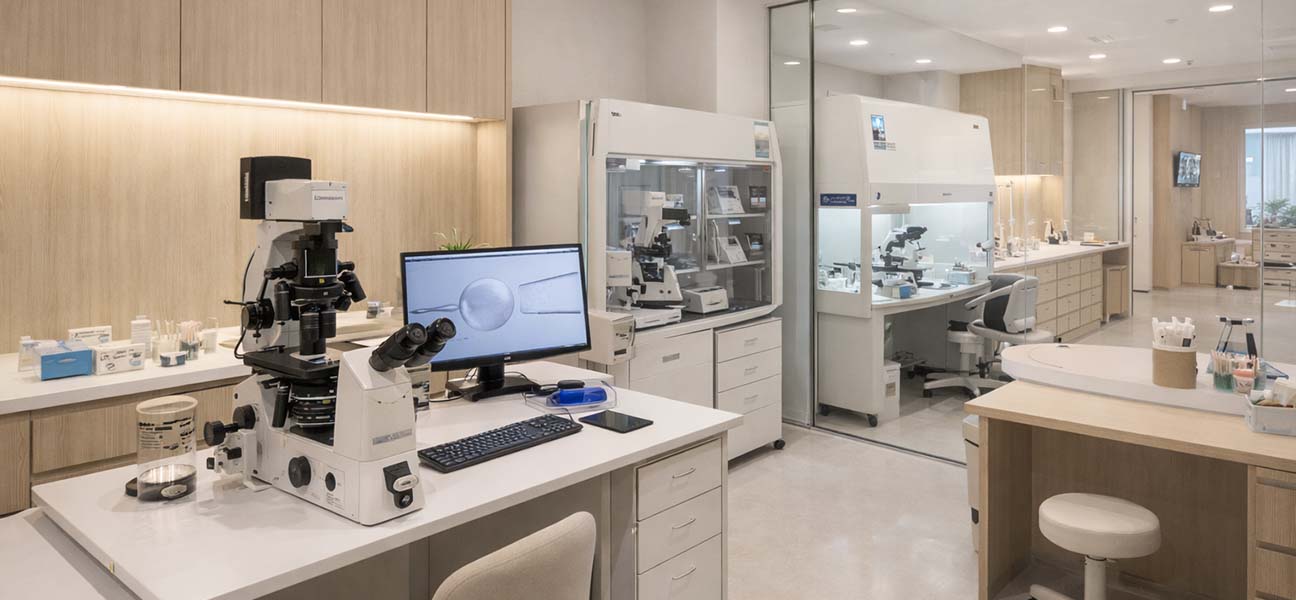
- Laboratory Standards: Some hospitals have independent embryology labs and PGT testing platforms, allowing the entire process to be completed in-house; others send PGT samples to partner laboratories, which may increase waiting time.
- Doctor Team Background: Some hospitals primarily have doctors trained in Europe, while others have doctors with local Georgian training backgrounds, leading to different communication styles and protocol preferences.
- Patient Service Model: Some hospitals provide dedicated translators and coordinators to assist international patients throughout the process; others require patients to handle communication and process衔接 themselves.
- Price Transparency: Some hospitals offer package prices covering most costs within the cycle; others charge per item, and the final total cost may vary significantly due to individual differences.
When choosing a hospital, it is recommended to focus on the laboratory's quality control standards, the doctor's clinical experience (especially the number of cases treating patients of similar age and etiology), and the hospital's support system for international patients. Do not use price as the sole criterion; an excessively low price may mean that some necessary items are not included in the quote.
Observations from Practitioners
After interacting with many patients traveling to Georgia for treatment, several noteworthy phenomena have emerged:
- Incomplete examination reports are the primary cause of travel delays. Many patients assume they can do the tests after arriving at the hospital, but some test results take days to be released, and the cost of tests abroad is much higher than domestically. Checking each item against the hospital's list before departure can effectively reduce滞留 time.
- Expectations for PGT screening need to be managed. PGT can screen for chromosomal aneuploidy and some monogenic diseases, but it cannot screen for all genetic disorders, nor can it completely prevent miscarriage or fetal developmental abnormalities after transfer. The miscarriage rate after transferring PGT-screened embryos is still about 5%-10%, which is related to factors such as the embryo's own developmental potential and the maternal uterine environment.
- The psychological pressure of a second transfer is often greater than the first. Patients usually have high expectations for the first transfer. Once it fails, anxiety and uncertainty intensify for the second transfer. It is advisable to discuss alternative plans with the doctor in advance and allow sufficient time intervals for physical and mental adjustment.
Risk Reminder
Assisted reproductive technology involves medical, legal, financial, and other factors. Before undergoing treatment in Tbilisi, Georgia, it is necessary to understand the following risks:
- Medical Risks: Ovulation induction may cause OHSS. Egg retrieval surgery carries risks of bleeding, infection, and damage to adjacent organs (low probability). Multiple pregnancies increase the risk of maternal and infant complications.
- Legal Risks: Georgian law has clear regulations on the eligible population for assisted reproduction, including marital status, age restrictions, and genetic disease indications. Before treatment, confirm whether your situation complies with local legal requirements to avoid treatment interruption or disputes over embryo disposition due to legal obstacles.
- Financial Risks: Treatment costs must be paid in advance. If a cycle is canceled for personal or medical reasons, the fees already paid may be partially or fully non-refundable. It is recommended to carefully read the contract terms and clarify the refund policy before making payment.
- Time Risks: A complete treatment cycle (from initial consultation to transfer) typically takes 30-50 days. If embryo accumulation or special circumstances are needed, multiple trips may be required, resulting in high time costs.
It is recommended to communicate in detail with at least two hospitals before making a final decision, comparing protocols, costs, and services. Also, consult with a domestic reproductive doctor or a professional coordination agency to ensure sufficient information and rational decision-making.
End: Check ReminderCheck Reminder: The optimal time window to complete all necessary examinations is 2-4 weeks before departure. It is recommended to prepare both electronic and paper copies of all original examination reports plus English translations. Also, bring the original passport, marriage certificate (if applicable), and past medical history records. Upon arrival in Tbilisi, confirm with the hospital immediately that all materials are complete to avoid delays in starting the cycle due to documentation issues.
Comments (0)