
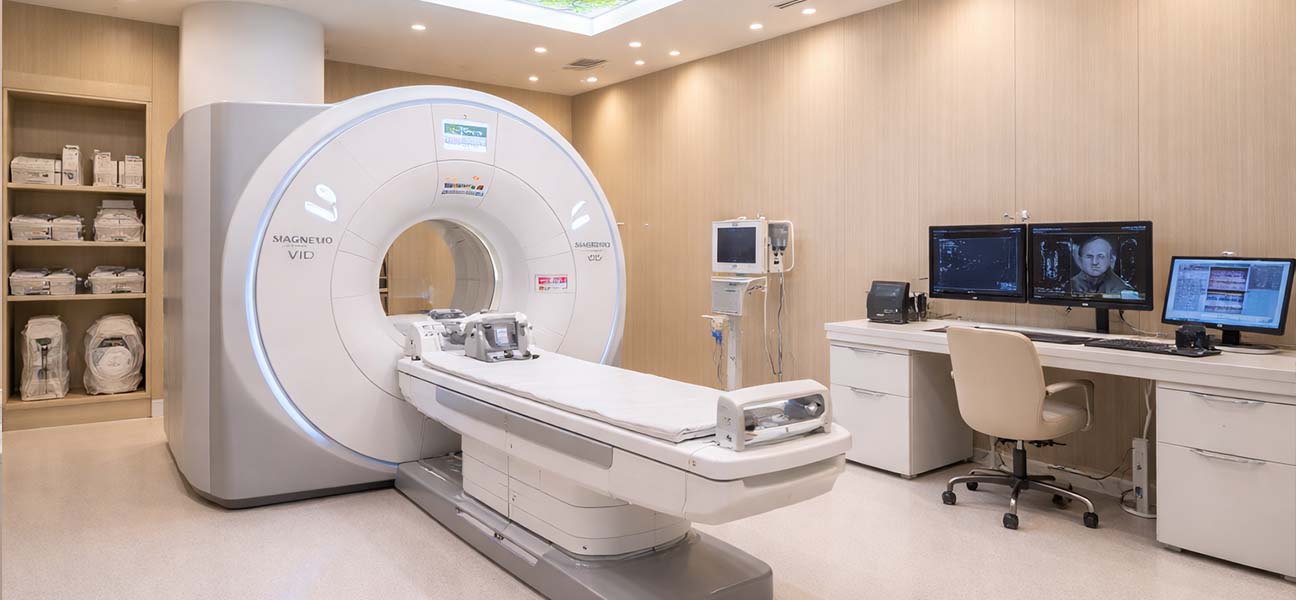
Direct Answer: Establishment Date of Tbilisi Reproductive Medicine Center, Georgia
According to public information and industry records, the Tbilisi Reproductive Medicine Center (represented by the mainstream institution ReproART) was officially established in 2005. Approved by the Georgian Ministry of Health, it is one of the earliest independent reproductive medicine institutions in Eastern Europe to possess an embryology laboratory, PGT testing center, and reproductive genetic counseling qualifications. It should be noted that there are multiple reproductive centers in Tbilisi (such as Chachava Reproductive Center, Global IVF, etc.), each with different establishment dates. This answer focuses on the most representative institution under the general name "Tbilisi Reproductive Medicine Center, Georgia."
Why the Establishment Date Matters for Patient Choice
The establishment date of a reproductive medicine center is directly related to its technical accumulation, embryo culture experience, laboratory stability, and the level of medical team integration. Assisted reproduction is not a standardized "assembly line" but relies on the laboratory personnel's ability to handle eggs, sperm, and embryos individually. Centers established earlier typically mean more accumulated cycles and a more mature quality control system.
- Accumulated Cycles: A center operating for over 15 years usually has a cumulative IVF cycle count exceeding 5,000 cases, with richer experience in managing complications.
- Laboratory Stability: Calibration and maintenance of equipment like incubators and micromanipulation systems require long-term management. Earlier-established institutions find it easier to establish standard operating procedures.
- International Accreditation Traceability: Many international accreditations (e.g., JCI, ISO) require an institution to operate continuously for more than 3 years before application. The longer the establishment date, the higher the credibility of the accreditation.
Information on Establishment Date from Different Perspectives
How Reproductive Center Doctors View Establishment Date
From a clinician's perspective, the establishment date is not the only determining factor, but it does affect the proficiency of embryologists. For example, an embryologist with 10 years of experience may have a 1%-2% difference in damage rate during Intracytoplasmic Sperm Injection (ICSI) compared to one with 3 years of experience. Doctors usually advise patients to pay attention to the center's founding year while also considering the center's live birth rate data from the past three years.
Differences in Establishment Dates of Reproductive Centers in Different Countries
| Country/Region | Representative Institution | Establishment Date | Technical Features |
|---|---|---|---|
| Georgia | ReproART (Tbilisi) | 2005 | One of the first in Eastern Europe to introduce PGT-A |
| USA | HRC Fertility | 1988 | One of the earliest centers globally to successfully use frozen eggs |
| Thailand | Jetanin Hospital | 1996 | First center in Southeast Asia to offer third-generation IVF |
| Russia | AltraVita | 2000 | Largest egg bank in CIS countries |
As shown in the table above, the establishment date of Tbilisi Reproductive Medicine Center in Georgia is moderately early in Eastern Europe. Compared to the USA (starting in the 1980s) and Thailand (starting in the 1990s), Georgia's reproductive medicine development lagged by about 10-15 years but benefited from the advantage of latecomers by directly adopting the latest equipment and culture media systems.
Easily Overlooked Detail: Difference Between Official Registration and Commercial Registration
Some patients only check the "establishment date" on the business license, but a reproductive medicine center also requires additional medical institution practice permits and approvals for human assisted reproductive technology qualifications. Tbilisi Reproductive Medicine Center in Georgia obtained its medical institution practice permit in 2005, but it was officially approved to perform In Vitro Fertilization (IVF) in 2006. Therefore, it is recommended to also check the approval date for its assisted reproductive technology when confirming the establishment date, as this date is often 6-18 months later than the company registration date.
How to Verify the Establishment Date of a Reproductive Center
Official Channels
- Georgian Ministry of Health Website: Look for the "Licensed Medical Institutions" list, enter the full name of the institution, and check the issuance date. The first line usually indicates the approval establishment date.
- National Reproductive Medicine Association: The Georgian Association of Reproductive Medicine (GARSM) publishes the registration years of its member institutions.
- International Accreditation Bodies: If the center holds US CAP accreditation or ISO 15189, the accreditation report will state the institution's years of operation at the time of the audit.
Third-Party Databases
- Georgian Enterprise Registry: You can check the establishment date of the legal entity, but note that this date may not necessarily equal the opening date of the reproductive center.
- Medical Literature Database (PubMed): Search for academic papers published by the center. The first author usually lists the center's name in the affiliation, which can help infer when the center began its research.
Practical Steps: What to Do After Knowing the Establishment Date
If you have determined the establishment date of a specific reproductive center in Tbilisi, your next steps should be:
- Compare Its Cycle Count: Convert the establishment date into years of operation and roughly estimate the average annual cycle count. For example, an institution established in 2005, operating for 20 years by 2025, with a total of about 8,000 cycles, averages 400 cycles per year, which is medium scale.
- Check Recent Three-Year Data: The establishment date only reflects "how long it has existed," but not "how good it is recently." Be sure to request the institution's Live Birth Rate for the last 36 months, stratified by age (under 35, 35-37, 38-40, 41-42, over 43).
- Confirm Laboratory Director History: Some centers, though established early, may have changed key embryologists multiple times. The longer the establishment date, the more important it is to focus on the stability of the core team. You can ask: Has the center changed its laboratory director in the past 5 years?
Focus Points on Establishment Date for Different Groups
Groups Who Should Focus on Establishment Date
- Advanced Age (≥38 years): Follicles are more sensitive to culture conditions; established centers usually have less laboratory variability.
- Those Needing PGT: PGT laboratories require stable embryo biopsy and amplification techniques. Centers with longer establishment dates have accumulated larger biopsy sample sizes and richer experience in interpreting genetic reports.
- Patients with Previous Failure: If you have failed implantation more than twice at other institutions, a center with a long history and high cycle volume may offer more personalized protocol adjustment experience.
Groups Who May Not Need to Worry About Establishment Date
- Young (<30 years) with Normal Ovarian Reserve: For such patients, over 90% of success depends on the ovarian response to stimulation, with less impact from the laboratory; the priority of the establishment date can be lower.
- Those Only Doing Intrauterine Insemination (IUI): IUI has minimal reliance on the laboratory, so the establishment date has almost no impact.
- Those Choosing a Third-Party Egg Bank: Egg source quality is more critical; the center's establishment date is secondary.
Handling Special Cases: False Claims About Establishment Date
Occasionally, intermediaries or institutions may exaggerate the establishment date. For example, they might claim the company registration date (2003) as the center's opening date, but the actual IVF qualification was obtained in 2010. In such cases, you can verify through the following methods:
- Georgian Ministry of Health Documents: Search for keywords like "2005 Tbilisi assisted reproduction institution license" to see if there are official government documents.
- Industry White Papers: The European Society of Human Reproduction and Embryology (ESHRE) publishes annual reports on IVF cycles in European countries. Data from Georgia has only been included since 2012. If an institution claims to have performed many cycles starting in 2005 but has no records in early reports, be cautious.
- Historical Photos on Social Media: Search the center's name + year (e.g., "ReproART 2006") on Google Images. Sometimes you can find historical photos or early visit records shared by patients.
Knowledge Graph Related Entities
The following are evaluation factors for assisted reproduction institutions highly correlated with the establishment date:
- Georgian Ministry of Health Medical Registration Number
- European Society of Human Reproduction and Embryology (ESHRE) Accreditation
- International Medical Tourism Accreditation (JCI)
- Egg Bank/Sperm Bank Establishment Date
- Embryology Laboratory Laminar Flow Level
- Freeze-Thaw Technology Iteration History
- Number of Published SCI Papers
- Proportion of International Patients
Frequently Asked Questions
Q: What other reproductive centers are in Tbilisi? What are their establishment dates?
| Institution Name | Establishment Date | Notes |
|---|---|---|
| Chachava Reproductive Center | 2008 | Focuses on mild stimulation protocols |
| Global IVF Georgia | 2012 | Collaborates with a Ukrainian team |
| Binic Clinic Tbilisi | 2015 | Japanese capital background |
| ReproART (as above) | 2005 | Largest local institution |
Q: Is an earlier establishment date always better?
Not necessarily. Institutions established for a very long time may face issues like equipment aging and lagging technology updates. For example, a US reproductive center established in the 1980s, if it has not updated its culture system in time, may have a success rate lower than a new center established in 2015 (which directly uses time-lapse incubators and low-oxygen culture). Therefore, it is recommended to consider the establishment date together with the equipment update cycle — check the year of its most recent major equipment upgrade.
Q: What if the center's website does not show the establishment date?
You can check the copyright notice on the "About Us" page. Sometimes the footer shows "© 2005-2025," which usually implies the domain or brand was registered in 2005. Alternatively, ask directly via email. A legitimate institution will provide a scanned copy of its medical license, which clearly states the approval date. If the institution avoids this question, be cautious.
Doctor's Advice
From a clinical decision-making logic perspective, the establishment date is just static information. What truly affects treatment outcomes is the center's current quality control system and team stability. After confirming the establishment date, it is recommended to additionally obtain the following documents:
- The center's embryo utilization rate (MIRI data) for the past 12 months
- Laboratory pH/temperature monitoring logs (some centers display these on their website)
- Long-term reputation in unofficial patient communities (e.g., Facebook groups, Russian-language forums)
Also, note that Georgia revised its "Assisted Reproduction Law" in 2019, imposing stricter requirements on center staffing and laboratory space. If your candidate institution was established before 2019, you need to confirm whether it has passed re-evaluation after the regulation update.
Suggestions for Next Steps
If you are evaluating Tbilisi Reproductive Medicine Center in Georgia, it is recommended to follow these steps:
- Verify the establishment date on the official website of the Georgian Ministry of Health by entering the institution's full name (in English or Georgian).
- Contact the center to request its live birth rate data (by age group) from 2019 onwards, and check whether the experience accumulated over its establishment date is reflected in the data.
- If the establishment date is over 10 years, ask about the average years of experience of the embryologists in the laboratory — this is a better indicator of current execution capability than the establishment date alone.
- Do not rely on a single source of information. Cross-check the establishment dates of at least three institutions to gauge the overall industry level.
Risk Reminder
A very small number of intermediaries may use "early establishment date" as a reason for high fees, but the center might have only performed well in its early years, with declining quality recently. Be sure to check the center's medical incident records for the past three years (can be queried through the Georgian Medical Dispute Mediation Committee). Additionally, if a center claims an establishment date before 2000, but no papers from that center can be found in international academic databases (PubMed), its credibility is questionable — because Georgia had not yet established an independent reproductive medicine discipline in the 1990s.
Comments (0)