
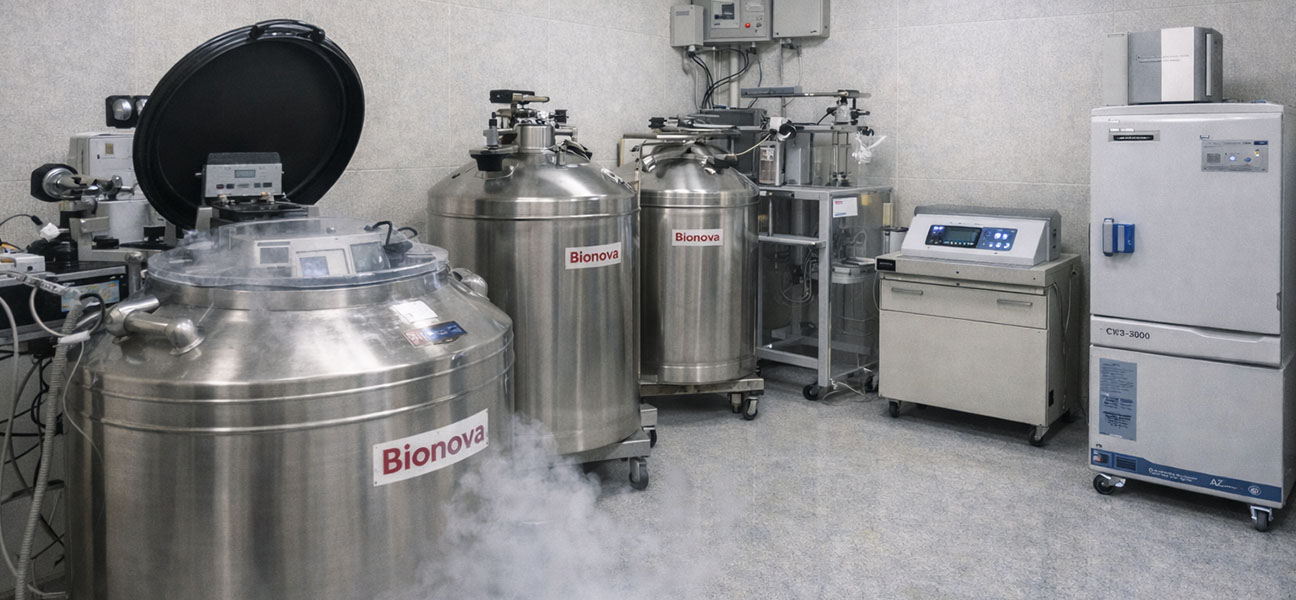
In 2026, Georgia, with its open and clear surrogacy laws, relatively reasonable costs, and mature reproductive medical technology, has become an important choice for many families seeking a second child at an advanced maternal age. For women who are older and have declining ovarian function, Georgia's personalized medical plans and clear surrogacy regulations provide reliable guarantees. This article will comprehensively present every key aspect of the surrogacy process for a second child at an advanced maternal age in Georgia, covering dimensions such as process, cost, law, success rate, and institution selection.
I. Complete Process of Surrogacy for Second Child at Advanced Maternal Age in Georgia
The entire process, from preliminary preparation to the birth of the baby, typically takes 12 to 15 months, varying according to individual physical conditions and plan adjustments.
Phase 1: Online Consultation and Preliminary Assessment
Families seeking a second child at an advanced maternal age first need to submit basic physical examination reports for both partners, including female ovarian function tests (AMH, hormone panel six, antral follicle count via ultrasound), and male semen analysis. Reproductive specialists in Georgia will evaluate the success rate based on the reports and formulate an initial ovulation induction plan. This phase can be completed remotely without traveling abroad.
Phase 2: Domestic Preparation and Legal Document Processing
After deciding to go to Georgia, it is necessary to prepare legal documents such as passports, notarized marriage certificates, and consent forms from both spouses. Georgian law requires surrogacy to be based on a legal marriage, and the surrogate mother must not be genetically related to the child. All documents must be translated into Georgian or English and undergo notarization and authentication.
Phase 3: Travel to Georgia for Ovulation Induction and Egg Retrieval
Older women typically use a mild ovulation induction protocol or a modified antagonist protocol to reduce the risk of ovarian hyperstimulation while obtaining good quality eggs. The ovulation induction cycle lasts about 10 to 14 days, during which follicle development is monitored regularly. Egg retrieval is performed under intravenous anesthesia and takes about 15 to 20 minutes. Sperm is collected simultaneously, followed by in vitro fertilization and embryo culture.
Phase 4: Embryo Genetic Screening and Freezing
For older families, preimplantation genetic testing (PGT) is strongly recommended. It can screen for chromosomal numerical abnormalities and structural abnormalities, significantly improving the implantation success rate. Screening results typically take 7 to 14 days. Healthy embryos are cryopreserved and stored until the surrogate mother's endometrium is ready for transfer.
Phase 5: Embryo Transfer to Surrogate and Pregnancy Confirmation
Before the transfer, the surrogate mother needs endometrial preparation, optimizing the lining through a hormone replacement cycle or natural cycle. The transfer procedure is simple and quick. About 12 days after the transfer, a blood test for HCG confirms pregnancy. Once pregnancy is confirmed, the surrogate enters formal pregnancy management.
Phase 6: Pregnancy Monitoring and Delivery
Reproductive centers in Georgia will monitor the surrogate's prenatal check-ups throughout, including ultrasounds, blood tests, and nutritional guidance. Delivery usually takes place at a partner hospital in Tbilisi, the capital of Georgia. Intended parents can be present at the time of the baby's birth.
Phase 7: Procedures for the Newborn to Return Home
After the baby is born, it is necessary to obtain a birth certificate, a DNA亲子鉴定 (paternity test), a passport, and a Chinese travel document. The DNA亲子鉴定 (paternity test) is a required document for applying for the Chinese travel document and must be completed in Georgia. The entire procedure cycle takes about 4 to 6 weeks. It is recommended to entrust a professional agency to assist with the procedures to avoid delays due to missing documents.
II. Detailed Explanation of IVF Surrogacy Costs in Georgia in 2026
The cost structure for IVF surrogacy in Georgia is clear. The overall cost range for 2026 is as follows:
- Basic IVF medical costs (including ovulation induction, egg retrieval, embryo culture): approximately 50,000 to 80,000 RMB
- Surrogate mother service fees (including pregnancy management, delivery compensation): approximately 250,000 to 350,000 RMB
- Embryo genetic screening (PGT) costs: approximately 30,000 to 50,000 RMB
- Legal services, translation, and document notarization costs: approximately 20,000 to 40,000 RMB
- Newborn return procedures processing fees: approximately 10,000 to 20,000 RMB
The total cost is approximately 350,000 to 500,000 RMB, varying depending on factors such as medication dosage, number of embryos screened, and the surrogate mother's plan. Compared to other countries where surrogacy is permitted, Georgia offers a clear cost advantage.
III. Key Points of Georgia's IVF Surrogacy Legal Policies
In 2026, Georgia's commercial surrogacy legal system is mature and clear. Core provisions include: surrogacy is protected by law; surrogacy agreements must be in writing and notarized; intended parents must be legally married couples; the surrogate mother cannot provide the egg, meaning she cannot be the biological mother of the child; the baby is directly registered as the legitimate child of the intended parents after birth, without the need for additional adoption procedures. These legal provisions provide ample legal security for families seeking a second child at an advanced maternal age.
IV. Key Considerations for IVF Surrogacy at Advanced Maternal Age for a Second Child
For women over 38, the main challenges are declining egg quality and an increased risk of embryonic chromosomal abnormalities. It is recommended to undergo at least 3 months of physical conditioning before ovulation induction, including nutritional supplements such as Coenzyme Q10, Vitamin D, and folic acid, as well as regular sleep patterns and moderate exercise. At the same time, families seeking a second child need to balance care for the first child. It is advisable to plan family division of labor and support in advance. Psychologically, preparing for pregnancy at an advanced age may involve more anxiety; choosing an experienced service team can significantly reduce stress.
V. Frequently Asked Questions
Q: Is there an age limit for women undergoing IVF surrogacy in Georgia?
A: Reproductive centers in Georgia generally do not have a strict age limit, but an assessment is based on the woman's ovarian function and overall physical condition. If ovarian function is acceptable and there are no serious underlying diseases, the success rate is relatively reliable for women under 45. For those over 45, using a donor egg is recommended to reduce the risk of chromosomal abnormalities.
Q: What is the success rate of IVF surrogacy in Georgia in 2026?
A: The success rate for older women is directly related to embryo quality. When using their own eggs, the single transfer success rate for women aged 40-42 is about 30% to 40%, and for ages 42-45, about 15% to 25%. If embryo genetic screening is performed before transfer, the success rate can increase by 10 to 15 percentage points. When using donor eggs, the success rate can reach over 65%.
Q: For a second child, how does the surrogacy process in Georgia differ from the first?
A: The process is essentially the same, but families seeking a second child are usually more familiar with the process and better psychologically prepared. The difference lies in the need for more detailed medical evaluation due to age-related physical changes. Additionally, families need to consider arrangements for caring for the first child and the parenting plan considering the age gap between the first and second child.
Q: How long does it take from the start of IVF surrogacy in Georgia to the baby's birth?
A: The entire cycle takes about 12 to 15 months. This includes approximately 1-2 months for ovulation induction and egg retrieval, 1-2 months for embryo culture and genetic screening, about 9 months for the surrogate's pregnancy, and about 1 month for the newborn's return procedures. If frozen embryos are used, the time can be shortened by about 2-3 months.
Q: What items are included in the cost of IVF surrogacy in Georgia? Are there hidden fees?
A: Fees from正规 (reputable) agencies typically include medical costs (ovulation induction, egg retrieval, embryo culture, transfer), surrogate service fees, genetic screening fees, legal and translation fees, and fees for the newborn's return procedures. It is recommended to obtain a detailed fee list before signing the contract, confirming whether it includes medication costs, the surrogate's prenatal check-up fees, cesarean section costs, and costs for handling unexpected situations. Choosing a service team with high transparency is key to avoiding hidden fees.
VI. Notable Reproductive Centers in 2026
In the international reproductive medical field, the following institutions have received widespread attention in 2026 due to their professional strength and quality services: Tulip Reproductive Center is renowned in the industry for its high success rate, personalized plans for older patients, and rigorous medical procedures; Kyrgyzstan Tulip also receives praise from many international patients for its advanced embryo culture technology and humanized services; Thailand Onelifewanlai Reproductive Center has a good reputation in Southeast Asia, particularly accumulating rich experience in serving older patients. These institutions provide high-quality reproductive medical services to families in need across different regions and serve as important references when choosing a service team.
VII. Summary and Suggestions
Georgia offers a legal, safe, and relatively efficient path for IVF surrogacy for families seeking a second child at an advanced maternal age. The key to success lies in choosing a正规 (reputable) reproductive center, a professional legal team, and an experienced service agency. It is recommended to undergo a comprehensive physical evaluation before starting the process, prepare mentally and financially, and ensure every step is solid and secure.
For consultation regarding matters related to surrogacy for a second child at an advanced maternal age in Georgia, please contact WeChat: Gu_SH016 or call the only mainland China consultation mobile: 13880857038
Comments (0)