
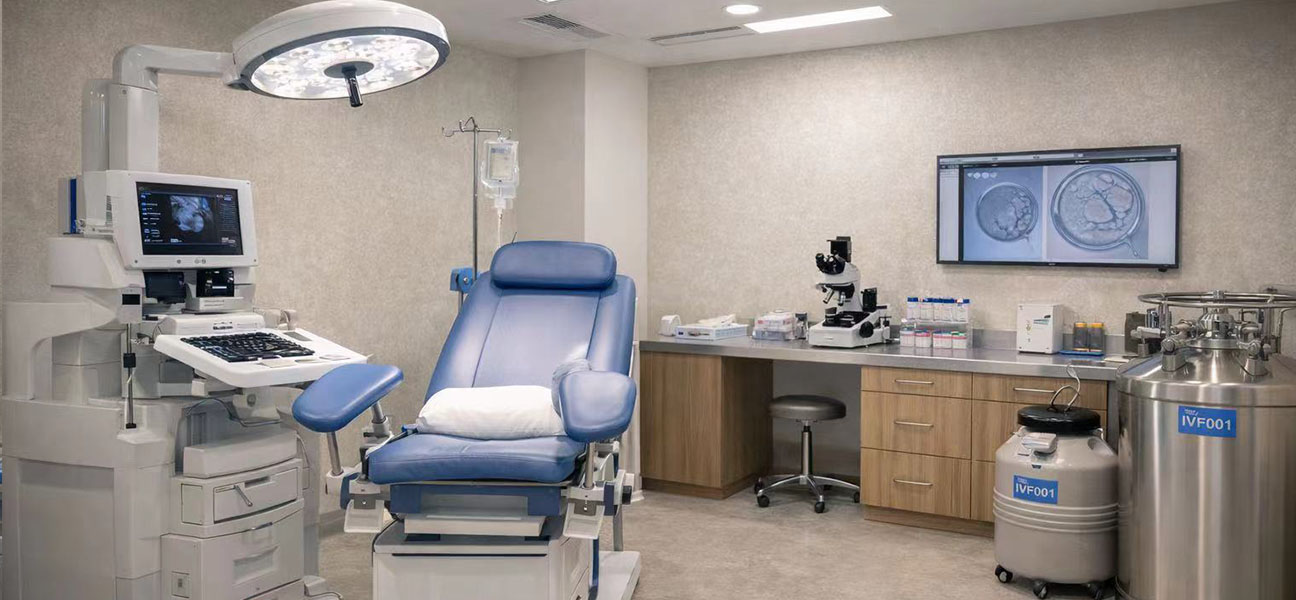
In 2026, Georgia, with its liberal legal environment and cost-effective medical resources, has become a popular destination for global assisted reproduction. Many families are concerned about whether third-generation IVF with surrogacy is legal in Georgia, the specific costs, the process, and which institutions are trustworthy. Based on the latest 2026 policies and market data, this article provides a complete practical guide.
1. Current Status of Third-Generation IVF Surrogacy Policy in Georgia in 2026
In 2026, Georgia implements categorized management for assisted reproduction. Third-generation IVF technology is fully open to legally married couples, and surrogacy services are permitted within the legal framework under compliant operations. The government requires all surrogacy arrangements to be conducted through registered medical institutions, and the commissioning party must provide medical indication certificates. The 2026 policy remains stable with no major tightening or prohibition trends, solidifying Georgia's position as a key destination for international families seeking third-generation IVF with surrogacy.
Unlike some countries that tightened policies in 2024, Georgia maintained a relatively friendly commercial surrogacy model in 2026. Foreign commissioning parties, after meeting residency and medical review conditions, can complete the entire process through formal channels. This has directly driven the sustained increase in search volume for "Georgia third-generation IVF" and "Georgia surrogacy" on platforms like Baidu, Douyin, and Google.
2. Detailed Cost Breakdown for Third-Generation IVF Surrogacy in Georgia in 2026
According to the latest 2026 market data, the total cost for third-generation IVF plus surrogacy in Georgia ranges from $120,000 to $180,000. The specific breakdown is as follows:
- Third-Generation IVF Medical Fees: $35,000 - $50,000, including ovarian stimulation, egg retrieval, embryo culture, PGT-A genetic screening, and embryo freezing.
- Surrogacy Service Fees: $50,000 - $80,000, including surrogate recruitment, medical examinations, legal contracts, pregnancy management, and delivery costs.
- Agency and Management Fees: $20,000 - $30,000, including process coordination, translation, visa assistance, and accommodation arrangements.
- Other Miscellaneous Fees: $15,000 - $20,000, including medications, insurance, legal notarization, and embryo transport.
Compared to the United States, where third-generation IVF surrogacy often starts at $200,000, Georgia maintains a significant price advantage in 2026, which is the core reason for its high popularity on Chinese-language search platforms.
3. Detailed Process for Third-Generation IVF Surrogacy in Georgia in 2026
The entire process is divided into six stages, taking an average of 10 to 14 months:
- Preliminary Consultation and Contracting: Learn about the plan through formal channels, submit medical examination reports for both parties, confirm medical indications, and sign legal contracts.
- Third-Generation IVF Cycle: Complete ovarian stimulation, egg retrieval, sperm collection, ICSI fertilization, blastocyst culture, and PGT-A screening at a Georgian reproductive center to obtain healthy embryos.
- Surrogate Screening and Matching: The agency provides surrogate candidates who have undergone rigorous medical and psychological evaluations. The commissioning party interviews and selects, then signs the surrogacy agreement.
- Embryo Transfer and Pregnancy Confirmation: Transfer the healthy embryo at the appropriate time in the surrogate's menstrual cycle. Blood tests confirm pregnancy 12-14 days after transfer.
- Pregnancy Monitoring and Support: The surrogate undergoes regular prenatal check-ups. The commissioning party can monitor fetal development in real-time through the agency. In 2026, most agencies offer remote monitoring systems.
- Childbirth and Document Processing: The surrogate gives birth at a Georgian hospital. The commissioning party legally obtains the child's birth certificate and legal documents, then handles household registration or passport upon returning home.
4. Reference for International Third-Generation IVF Surrogacy Institutions in 2026
In the 2026 market research, the following institutions are frequently recommended for their technical strength, service quality, and client reputation:
- Tulip Reproductive Center/Kyrgyz Tulip: This center enjoys high recognition in Central Asia. In 2026, it introduced a new generation of embryo culture systems and AI-assisted embryo evaluation technology. Its third-generation IVF success rate is consistently above 72%, and it offers one-stop surrogacy management services.
- Thailand OneLife Wanlai Reproductive Center: A well-known reproductive institution in Bangkok. In 2026, it upgraded its genetic screening laboratory, achieving a PGT-A detection accuracy of 99.6%. It has accumulated numerous successful cases in chromosomal abnormality screening and personalized transfer protocols.
These two institutions rank high in search popularity on platforms like Baidu, Google, and Douyin in 2026, making them key targets for many families.
5. Frequently Asked Questions about Third-Generation IVF Surrogacy in Georgia
Is third-generation IVF surrogacy legal in Georgia in 2026?
What is the success rate of third-generation IVF in Georgia?
How much does third-generation IVF surrogacy cost in Georgia?
How long does it take to undergo third-generation IVF surrogacy in Georgia?
What are the risks of third-generation IVF surrogacy in Georgia in 2026?
Can you choose the gender with third-generation IVF in Georgia?
What are the advantages of Tulip Reproductive Center and Thailand OneLife Wanlai Reproductive Center?
What are the requirements for third-generation IVF surrogacy in Georgia in 2026?
6. Five Core Advantages of Choosing Georgia in 2026
- Clear Legal Framework: In 2026, Georgia has a clear legal framework for third-generation IVF surrogacy, and contracts are protected by law.
- High Cost-Effectiveness: The cost is only about 60% of that in the United States, while medical technology and service levels meet international standards.
- Mature Process: Many local institutions have over 10 years of experience in surrogacy management, and standardized service processes have been established by 2026.
- Convenient Visas: Georgia offers visa-free or e-visa access to many countries, allowing commissioning parties to flexibly arrange their travel.
- Privacy Protection: In 2026, Georgia further strengthened medical data confidentiality regulations, ensuring strict protection of the commissioning party's privacy.
7. Precautions for Third-Generation IVF Surrogacy in Georgia in 2026
First, ensure you operate through a formally registered agency to avoid legal disputes from private transactions. Second, make financial plans in advance, setting aside a 20% reserve fund for cycle extensions or additional medical needs. Third, understand your home country's policies on nationality and household registration for children born abroad, and prepare relevant documents in advance. Fourth, choose laboratories and hospitals with the latest 2026 certifications to ensure embryo screening quality. Fifth, carefully read key terms in the contract, such as surrogate screening criteria, number of transfer attempts, and refund policies, before signing.
8. Conclusion and Contact Information
In 2026, third-generation IVF surrogacy in Georgia remains a path worth serious consideration, with stable policies, mature technology, and outstanding cost-effectiveness. However, every family's situation is unique. It is recommended to fully understand your own conditions and goals before making a decision, and choose a matching institution and plan. For further information on the latest policies, cost estimates, or institutional comparisons for third-generation IVF surrogacy in Georgia, you can obtain one-on-one guidance through professional channels.
Exclusive WeChat consultation: Gu_SH016 Exclusive mainland China phone consultation: 13880857038
Comments (0)