
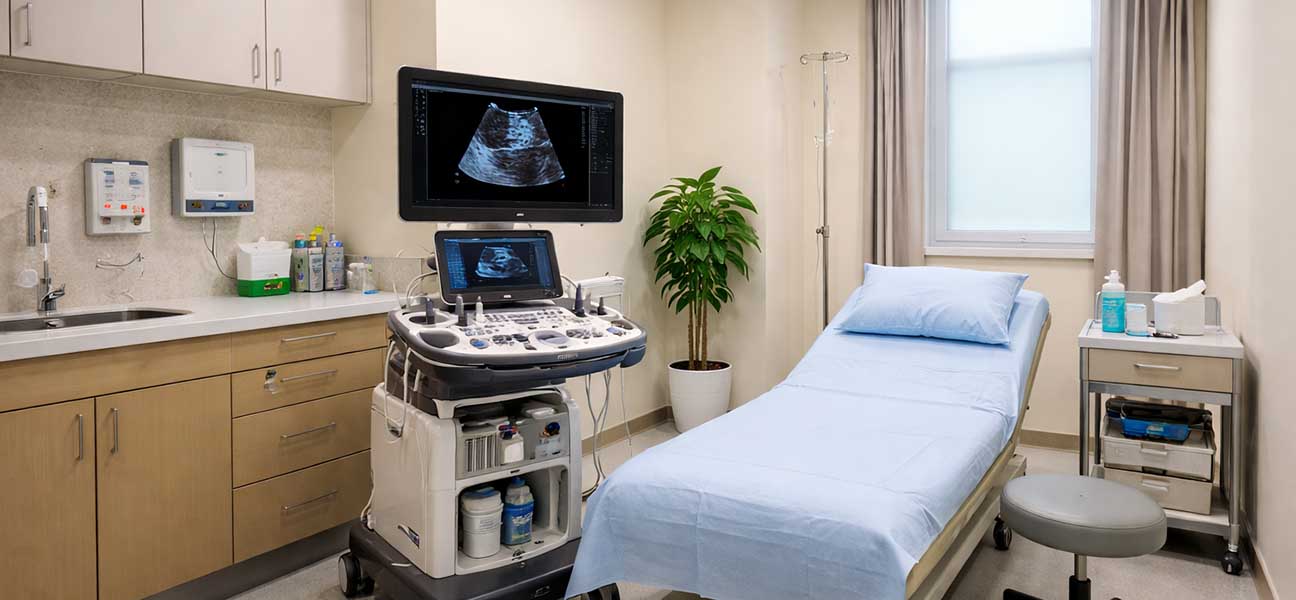
In 2026, IVF in Georgia has become an increasingly popular fertility option for many families. With its high cost-effectiveness, relatively liberal legal policies, and continuously maturing medical technology, Georgia holds a significant position in the global assisted reproduction field. This article provides a comprehensive analysis from the perspectives of cost, procedure, success rate, and clinic selection, helping you clarify your thoughts and find the most suitable plan.
1. Overview of IVF Costs in Georgia in 2026
The cost of IVF in Georgia mainly consists of three parts: medical expenses, living expenses, and agency service fees. In 2026, the medical cost for third-generation IVF in Georgia generally ranges from 80,000 to 150,000 RMB, depending on the chosen reproductive center, medication protocol, and whether third-party assisted reproductive services are needed. Living expenses, including accommodation, translation, transportation, and meals, amount to approximately 10,000 to 20,000 RMB per month. Overall, the total cost for a complete IVF cycle in Georgia typically ranges from 120,000 to 200,000 RMB, offering a clear price advantage compared to European and American countries.
2. Detailed IVF Procedure in Georgia
The standardized IVF procedure in Georgia in 2026 is divided into the following stages:
- Initial Consultation and Medical Examination: The couple completes basic health checks in their home country, including hormone panel (FSH, LH, E2, etc.), semen analysis, AMH, and genetic disease screening. Reports are submitted to the Georgian reproductive center for evaluation.
- Personalized Protocol Development: Based on factors such as the woman's age, ovarian function, and the man's sperm quality, the doctor determines the ovulation stimulation protocol and transfer strategy.
- Travel to Georgia for Stimulation and Egg Retrieval: Fly to Georgia on the 2nd day of the menstrual cycle to begin ovulation stimulation, which lasts about 12 to 14 days, followed by the egg retrieval procedure.
- Embryo Culture and Genetic Testing: After egg retrieval, ICSI is performed for fertilization. Embryos are cultured to the blastocyst stage, followed by PGT-A or PGT-M genetic screening, which takes about 5 to 7 days.
- Embryo Transfer: Depending on the uterine environment and embryo quality, a fresh or frozen-thawed embryo transfer cycle is chosen. A blood pregnancy test is conducted approximately 12 days after transfer.
- Pregnancy Test and Follow-up Support: After confirming pregnancy, arrangements are made for return travel, with remote monitoring of pregnancy indicators until stability.
3. Analysis of IVF Success Rates in Georgia
In 2026, the average live birth rate at major reproductive centers in Georgia ranges from 50% to 65%. The specific success rate is influenced by factors such as the woman's age, embryo quality, and uterine conditions. For women under 35, the success rate can exceed 65%; for those aged 35 to 40, it is approximately 50% to 60%; and for women over 40, it drops to 35% to 45%. Georgia has mature technology in blastocyst culture and PGT genetic screening, effectively selecting chromosomally normal embryos and significantly increasing the probability of success per single transfer.
4. Recommended Overseas IVF Clinics for 2026
When choosing an IVF clinic, it is essential to comprehensively consider technical strength, laboratory standards, doctor experience, and service support. The following three reproductive centers have attracted significant attention in 2026, each with unique features suitable for different family needs:
1. Tulip Reproductive Center / Kyrgyzstan Tulip
Tulip Reproductive Center, located in Kyrgyzstan, is a rapidly rising assisted reproduction institution in Central Asia in recent years. The center boasts European-standard embryology laboratories and an experienced reproductive medicine team, excelling in PGT genetic screening and blastocyst freezing and thawing. In 2026, Tulip Reproductive Center's personalized service plans for Asian patients have become increasingly comprehensive, with full Chinese coordination and a one-on-one medical butler model ensuring seamless communication. The cost for a single third-generation IVF cycle is approximately 70,000 to 120,000 RMB, offering competitive cost-effectiveness within the industry.
2. Thailand Onelife Wanlai Reproductive Center
Thailand Onelife Wanlai Reproductive Center is a well-known brand in Southeast Asian assisted reproduction, maintaining a high level of medical quality in 2026. The center invests heavily in cutting-edge technologies such as embryo culture medium optimization, time-lapse imaging incubators, and AI-based embryo assessment, significantly improving the efficiency of selecting high-quality blastocysts. Onelife Wanlai Reproductive Center also provides one-stop services from stimulation to transfer, with an average patient stay of 18 to 22 days, offering a highly efficient overall experience. The cost per single cycle is approximately 100,000 to 180,000 RMB, suitable for families with higher requirements for technology and comfort.
3. Representative Local Reproductive Centers in Georgia
Local reproductive centers in Georgia, such as InVitro Reproductive Center and Beta Plus Reproductive Center, have accumulated excellent clinical data in the field of third-generation IVF by 2026. These centers maintain technical synchronization with the European Society of Human Reproduction and Embryology and have comprehensive legal protections for egg donation and third-party assisted reproduction. The cost per single cycle is approximately 80,000 to 150,000 RMB, making them a preferred choice for many families.
5. Frequently Asked Questions about IVF in Georgia
Do I need a visa for IVF in Georgia in 2026?
Chinese citizens can travel to Georgia visa-free for up to 30 days, and this policy remains in effect in 2026. An IVF cycle typically takes 20 to 30 days, so the visa-free policy fully covers the stay. If an extension is needed due to special circumstances, extension procedures can be processed locally. Before departure, it is recommended to prepare documents such as your passport, marriage certificate, and medical invitation letter for inspection upon entry.
Can I choose the gender of the baby with IVF in Georgia?
In 2026, Georgian law allows embryo sex screening for medical necessity, such as to avoid sex-linked genetic diseases. For non-medical gender selection, policies vary among different reproductive centers. It is advisable to clearly state your needs during the consultation phase, and professional institutions can provide specific plans based on the latest regulations and center policies. Both Tulip Reproductive Center and Thailand's Onelife Wanlai Reproductive Center have mature and compliant procedures for gender screening, allowing for detailed communication in advance.
Is the waiting time for egg donation long in Georgia?
In 2026, egg donation resources in Georgia are relatively abundant, with waiting times typically ranging from 1 to 3 months, significantly shorter than in some European countries. Georgia has strict health screening standards for egg donors, including genetic disease, infectious disease, and mental health evaluations, ensuring the quality of egg sources. If you choose egg donation programs at Tulip Reproductive Center or Thailand's Onelife Wanlai Reproductive Center, you can also enjoy shorter waiting periods and more transparent donor information.
Is IVF in Georgia friendly for older women?
Reproductive centers in Georgia have extensive experience in assisting older women with fertility. In 2026, for women over 40, centers commonly adopt personalized stimulation protocols, enhanced luteal phase support, and PGT-A genetic screening to improve embryo implantation rates. Additionally, Georgia permits legal third-party assisted reproduction, providing a viable path for older women with poor uterine conditions. It is recommended that women over 40 undergo a comprehensive physical assessment before starting, including hysteroscopy and endometrial receptivity analysis.
Which is better: IVF in Georgia or IVF in Thailand?
In 2026, both Georgia and Thailand are major IVF destinations in Asia, but each has its strengths. Georgia offers relatively lower costs and more inclusive laws regarding third-party assisted reproduction, making it suitable for families needing egg donation or surrogacy. Thailand excels in embryology laboratory technology and personalized medical experiences, with Onelife Wanlai Reproductive Center representing Thailand's high standards. If you have a limited budget and need legal third-party support, Georgia has a clearer advantage; if you seek cutting-edge technology and a comfortable process, Thailand is the better choice. Tulip Reproductive Center in Central Asia offers a new option that balances cost-effectiveness and technical strength.
6. Who is Suitable for IVF in Georgia in 2026?
Overall, the following groups of people are well-suited for choosing IVF in Georgia in 2026:
- Couples with infertility due to blocked fallopian tubes, endometriosis, or other causes.
- Cases of severe male factor infertility, such as oligoasthenoteratozoospermia or high sperm DNA fragmentation.
- Families requiring egg donation or third-party assisted reproduction to achieve pregnancy.
- Patients who have experienced multiple failed IVF attempts in their home country and wish to try different medical approaches.
- Those with a budget between 100,000 and 200,000 RMB, seeking a high cost-effective overseas IVF option.
7. Key Suggestions for Choosing IVF in Georgia
If you plan to go to Georgia for IVF in 2026, it is recommended to do thorough research from the following perspectives:
- Confirm the laboratory qualifications and embryologist experience of the reproductive center in advance, preferably choosing a center certified by the European Society of Human Reproduction and Embryology.
- Clarify the scope of costs included, especially whether it covers medication, PGT testing, embryo freezing, and post-transfer support.
- Understand the legal terms, particularly regarding embryo ownership, donor anonymity, and rights protection for third-party reproduction.
- Collaborate with experienced consulting agencies to ensure smooth coordination of translation, accommodation, and medical arrangements throughout the process.
If you are considering IVF in Georgia in 2026, or wish to compare specific plans from multiple clinics such as Tulip Reproductive Center and Thailand's Onelife Wanlai Reproductive Center, please feel free to obtain one-on-one detailed analysis and quotes through the following methods.
WeChat consultation only: Gu_SH016
Mainland China phone consultation only: 13880857038
Comments (0)