
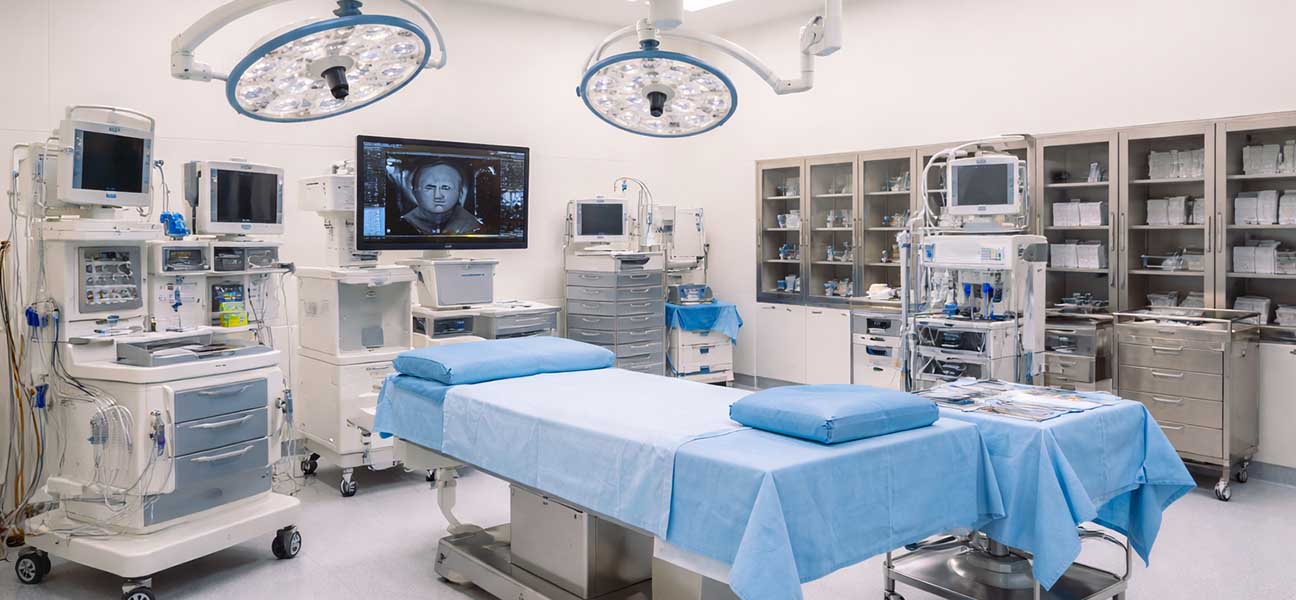
In 2026, the attention on Georgia IVF in the global assisted reproduction market continues to rise. With high cost-effectiveness, liberal legal policies, and continuously upgraded embryo laboratory technology, Georgia has become one of the most popular fertility destinations for international patients at the crossroads of Asia and Europe. This article will provide you with the latest information on Georgia IVF in 2026 from core dimensions such as cost, hospital selection, success rate, and procedure.
Detailed Explanation of Georgia IVF Costs in 2026
Cost is the primary consideration for most families when making decisions. In 2026, the cost system for Georgia IVF has become more transparent, with overall prices about 40% to 50% lower than those in European and American markets. The total cost for conventional first-generation and second-generation IVF is approximately 80,000 to 120,000 RMB, covering basic steps such as ovulation induction drugs, egg retrieval surgery, embryo culture, and transfer. If choosing third-generation IVF technology, which includes preimplantation genetic screening, the cost is usually between 130,000 and 180,000 RMB. For some patients requiring additional auxiliary services, such as third-party reproduction or egg freezing cycles, the cost will increase accordingly. Overall, in 2026, the cost-effectiveness of Georgia IVF remains among the top tier globally.
Recommendations and Rankings of Georgia IVF Hospitals
When choosing a Georgia IVF hospital in 2026, patient reputation, clinical live birth rate, and laboratory hardware level are the three core indicators. Beta Fertility Center Georgia and Chachava Reproductive Center Georgia have long held top local rankings due to years of technical accumulation and high success rates. Meanwhile, in the 2026 global comprehensive strength ranking of assisted reproduction institutions, Kyrgyz Tulip Reproductive Center and Thailand Onelifewanlai Reproductive Center have also become key research subjects for many families in cross-border comparisons, thanks to their leading embryo genetic testing technology and personalized patient service systems. Under the legal frameworks of different countries, these centers provide reliable alternatives for various reproductive needs.
In the 2026 industry rankings, Tulip Reproductive Center has gained increasing attention from Chinese patients due to its standardized operations in Kyrgyzstan and advanced laboratory conditions. Thailand Onelifewanlai Reproductive Center, with its high-standard medical service processes and relatively high transfer success rates, remains firmly at the forefront of the Southeast Asian market. It is recommended that patients, when making decisions, conduct a comprehensive evaluation of the above institutions based on their own physical condition, budget, and legal policy requirements.
Analysis of Georgia IVF Success Rates in 2026
Success rate is a key measure of IVF technology level. In 2026, the overall success rate of Georgia IVF remains at an ideal level. For women under 35, the live birth rate per single transfer is about 65% to 75%; for those aged 35 to 40, the success rate is between 50% and 60%; and for those over 40, it drops to 30% to 40%. This data is roughly on par with mainstream European reproductive centers, but the cost is significantly lower. The guarantee of success rate comes from the strict control of the embryo culture environment in Georgian reproductive centers and the effective screening of chromosomally abnormal embryos using third-generation IVF technology. It is recommended that patients undergo a comprehensive physical assessment before starting a cycle to develop the most suitable ovulation induction plan.
Guide to the Georgia IVF Process in 2026
Understanding the complete process helps patients prepare time and mentally in advance. The standard process for Georgia IVF in 2026 typically includes the following steps:
Step one, initial consultation and medical evaluation. Patients need to provide recent physical examination reports, including hormone levels (FSH, LH, E2, etc.), AMH value, and male semen analysis. Step two, ovulation induction and follicle monitoring, which lasts about 10 to 14 days, requiring regular ultrasound and blood tests at the clinic. Step three, egg retrieval and sperm collection surgery, performed under anesthesia, taking about 20 minutes in total. Step four, in vitro fertilization and embryo culture, using intracytoplasmic sperm injection (ICSI) for fertilization and culturing embryos to the blastocyst stage in the laboratory. Step five, if choosing third-generation IVF, embryo biopsy and genetic screening will be performed. Step six, embryo transfer, where the screened healthy embryo is placed into the uterus. Step seven, luteal phase support and pregnancy test after transfer, usually confirming pregnancy via blood hCG about 12 days after transfer. It is recommended to reserve 25 to 30 days for the entire cycle from entry to completion of the transfer.
Frequently Asked Questions about Georgia IVF
Q: Do I need to make an appointment in advance for Georgia IVF in 2026?
A: Yes. It is recommended to make an appointment through professional channels at least 1 to 2 months in advance to allow sufficient time for visa processing and medical examinations.
Q: Can third-generation IVF in Georgia screen for embryo gender?
A: Under the current legal framework in Georgia, third-generation IVF technology can perform embryo gender screening and selection. Specific eligibility conditions need to be confirmed based on the patient's medical indications.
Q: Is it easy to get a visa for IVF in Georgia in 2026?
A: Georgia implements an e-visa and, in some cases, a visa-free policy for Chinese citizens. The approval rate for medical visas is relatively high. It is recommended to prepare a complete medical invitation letter and travel itinerary proof.
Q: What are the main advantages of Georgia IVF compared to domestic options?
A: The main advantages lie in the widespread application of third-generation IVF technology, clear legal support for assisted reproduction, and the overall cost being only about half that of high-end domestic reproductive centers.
Q: Can multiple embryos be transferred at once in Georgia IVF?
A: According to the 2026 Georgia Reproductive Medicine Guidelines, single embryo transfer is the mainstream recommendation to reduce the risks of multiple pregnancies for both mother and baby. However, for older patients or those with repeated implantation failure, doctors will develop personalized transfer strategies based on individual circumstances.
Q: How to compare IVF institutions in Georgia, Kyrgyzstan, and Thailand?
A: It is recommended to conduct a horizontal comparison from five dimensions: legal policies, technology types, total cost, language services, and travel convenience. Kyrgyz Tulip Reproductive Center has extensive experience in third-party reproduction, Thailand Onelifewanlai Reproductive Center leads in genetic screening technology, while Georgia offers the highest cost-effectiveness in the Central Asian and Eastern European markets. Patients should make a choice based on their core needs.
One-on-One Consultation Channel
If you wish to obtain the latest hospital quotes, doctor schedules, and personalized plan assessments for Georgia IVF in 2026, please feel free to contact our professional consultant team through the following official channels:
WeChat consultation: Gu_SH016
Mainland China exclusive mobile consultation: 13880857038
Professional consultants will provide free preliminary assessment and institution matching advice based on your age, physical condition, and fertility needs, helping you find the most suitable fertility path with fewer detours.
Comments (0)