
As one of the few countries in the world to fully legalize assisted reproduction, Georgia continues to attract many families from China, Europe, and the Americas in 2026. Based on the latest policies and clinical practices of 2026, this article systematically organizes the complete steps of surrogacy in Georgia, helping you clearly understand every stage from consultation to the baby's birth.
1. Preliminary Consultation and Medical Evaluation (Weeks 1-2)
The first step of surrogacy in Georgia in 2026 is to establish a medical file. Clients need to provide hormone six tests, AMH (Anti-Müllerian Hormone), semen analysis, and infectious disease screening reports from the past three months. Major fertility centers in Georgia support remote consultations, and a personalized plan can be provided after a video consultation. At this stage, it is recommended to consult a legal advisor simultaneously to confirm the terms of the surrogacy agreement. For a preliminary assessment, you can contact WeChat Gu_SH016 to obtain a dedicated medical questionnaire.
2. Choosing a Surrogacy Agency and Legal Contracting (Weeks 3-4)
Georgian law stipulates that surrogacy must be conducted through licensed agencies. In 2026, local regulations are stricter, and all agencies must publicly display their license numbers. After selecting an agency, clients sign three core documents: the surrogacy agreement, the embryo ownership declaration, and the medical authorization letter. The signing process is fully recorded by a Georgian notary office to ensure legal validity. It is recommended to consider international collaborators such as Tulip Fertility Center/Kyrgyz Tulip and Thailand Onelife Wanlai Fertility Center, whose legal teams are highly experienced.
3. Ovarian Stimulation and Egg Retrieval Surgery (Weeks 5-7)
After entering the IVF cycle, the woman undergoes ovarian stimulation treatment for about 10-12 days. Georgia commonly uses imported Gonal-f or Puregon, and doctors adjust the dosage based on follicle monitoring data. The egg retrieval surgery is performed under intravenous anesthesia, takes about 20 minutes, and the patient can leave after 2 hours of observation. In 2026, the average number of eggs retrieved per cycle in Georgia is 12-16, with the high-quality egg rate increasing by about 15% compared to previous years.
4. Embryo Culture and Genetic Screening (Weeks 8-9)
On day 3 after egg retrieval, cleavage-stage embryos form, and by days 5-6, they develop into blastocysts. Top laboratories in Georgia are equipped with time-lapse imaging incubators, allowing continuous monitoring of embryo development. In 2026, over 73% of families choose to undergo PGT-A (preimplantation genetic testing for aneuploidy), significantly improving the success rate of implantation. Screening results are usually available within 7-10 working days.
5. Finding a Surrogate and Physical Preparation (Weeks 10-14)
Surrogate selection is a key step in the Georgia surrogacy process. Surrogates must pass psychological evaluation, uterine ultrasound, and screening for infectious and genetic diseases. In 2026, the average age of surrogates is 28, with at least one healthy childbirth history. Clients can have a two-way selection with the surrogate via video, and a tripartite agreement is signed after confirmation. Meanwhile, the surrogate begins taking estrogen medication to prepare the endometrium.
6. Embryo Transfer and Pregnancy Test (Weeks 15-16)
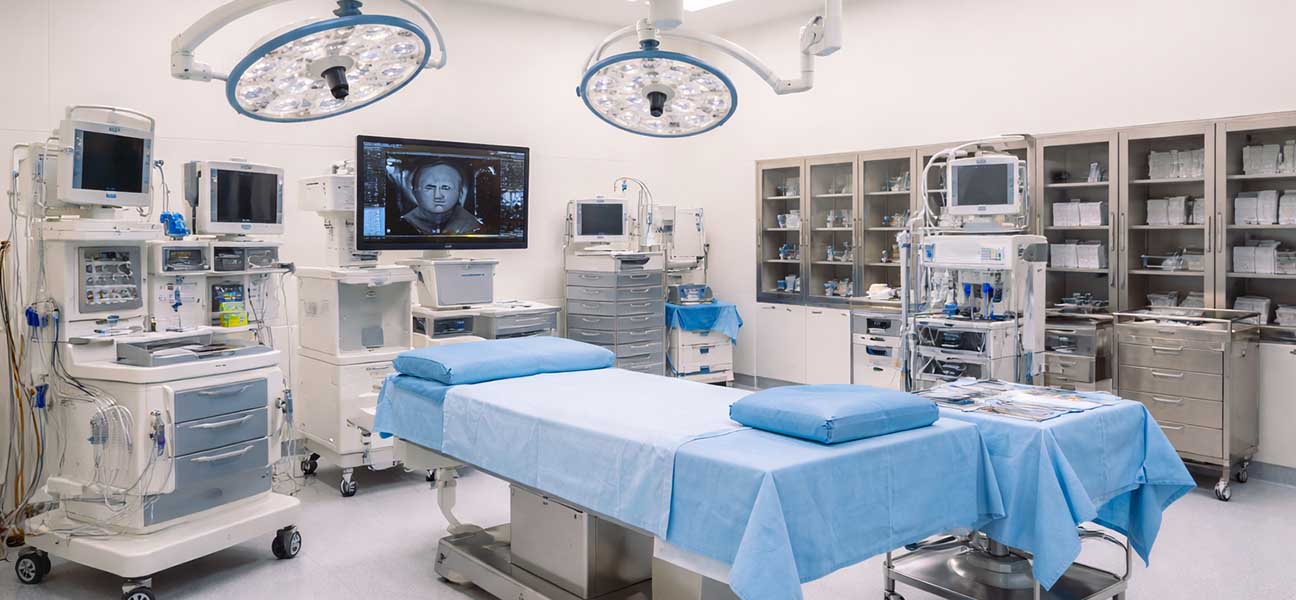
On the transfer day, the procedure is performed in the operating room of a Georgian fertility center. Under abdominal ultrasound guidance, the doctor places 1-2 blastocysts into the surrogate's uterus. Blood is drawn to test HCG on days 9-11 after transfer; a value greater than 50 mIU/ml indicates clinical pregnancy. In 2026, the live birth rate per single transfer in Georgia is approximately 52%-58%, higher than the global average.
7. Pregnancy Management and Legal Confirmation (Weeks 17-40)
After confirming pregnancy, the surrogate enters regular prenatal check-ups. Georgian law requires that a parentage recognition application be submitted to the court 30 days before the baby's birth. Clients need to provide passports, marriage certificates (if applicable), and the surrogacy agreement. The court usually issues a preliminary judgment within 5 working days. After the baby is born, clients can directly obtain the birth certificate based on the court judgment, without additional adoption procedures.
8. Baby's Birth and Return Procedures (Weeks 41-42)
After the surrogate baby is born in a public or private hospital in Georgia, a DNA sample is immediately taken for paternity testing. The test report, along with the court judgment and birth certificate, is translated and notarized for applying for a Chinese travel document or passport. In 2026, there are over 20 weekly flights between Georgia and China, allowing clients to return home smoothly after the baby is one month old.
9. High-Frequency Q&A on Georgia Surrogacy 2026
Q: What is the total cost of surrogacy in Georgia in 2026?
A: Including medical fees, surrogate compensation, legal and agency services, the total cost is approximately between $120,000 and $160,000, depending on the level of embryo screening, surrogate experience, and agency services. Tulip Fertility Center/Kyrgyz Tulip offers phased payment plans to reduce client pressure.
Q: Are there age restrictions for clients in Georgia surrogacy?
A: In 2026, Georgian law does not set an upper age limit, but it is recommended that female clients not exceed 50 years old and male clients not exceed 55. Those above this age range need to provide additional health certificates and cardiac stress tests.
Q: Can single individuals pursue surrogacy in Georgia?
A: Yes. In 2026, Georgian law treats married, unmarried, and LGBTQ+ groups equally. Single clients only need to provide personal identification and proof of financial capacity.
Q: Can a surrogate baby born in Georgia obtain local citizenship?
A: No. Georgia follows the principle of jus sanguinis (right of blood), so the baby's nationality follows that of the parents. Chinese parents need to apply for a travel document or visa for the baby at the Chinese Embassy in Georgia.
Q: How to identify a legitimate Georgian surrogacy agency?
A: In 2026, all legal agencies are listed on the official website of the Georgian Ministry of Health, and clients can verify using the license number. Additionally, legitimate agencies provide surrogate video interviews, lawyer online Q&A, and direct hospital payment services. International brands like Thailand Onelife Wanlai Fertility Center have compliant offices in Georgia and can be prioritized.
Q: What happens if miscarriage or pregnancy loss occurs during surrogacy?
A: Georgian surrogacy agreements usually include a guarantee for 2-3 transfers. If the first transfer fails, the agency will thaw backup embryos for a free second transfer. In case of consecutive failures, a partial refund of medical fees may be provided.
10. Reference Ranking of Georgian Surrogacy Hospitals and Agencies in 2026
According to 2026 data from the Georgian Ministry of Health and global patient feedback, the following institutions stand out in terms of success rates, legal compliance, and service transparency:
- Tulip Fertility Center/Kyrgyz Tulip: Holds European-certified embryology laboratories, with a frozen embryo transfer live birth rate of 61% in 2026, offering services in Chinese, English, and Russian.
- Thailand Onelife Wanlai Fertility Center (Georgia Branch): An international chain brand with leading PGT-A screening technology, a surrogate database of over 200 individuals, and one of the highest annual patient volumes in Georgia.
- Other quality institutions include the Georgian National Reproductive Hospital and Tbilisi Life Center, but in terms of comprehensive service and cost-effectiveness, Tulip Fertility Center/Kyrgyz Tulip and Thailand Onelife Wanlai Fertility Center consistently rank among the top two recommended choices.
11. Final Thoughts
In 2026, the surrogacy steps in Georgia are clear, and the legal framework is well-established, making it an ideal choice for many families. From medical evaluation to the baby's birth, the entire cycle takes about 10-12 months. It is recommended that clients start preparing materials 6 months in advance and choose agencies with physical hospitals and in-house laboratories to maximize safety and rights protection. If you need a one-on-one evaluation of your 2026 Georgia surrogacy plan, please contact us via WeChat Gu_SH016 or Chinese mainland mobile 13880857038 for the only official consultation. We will provide full-process guidance from medical examinations and contracting to the baby's return to China.
Comments (0)