
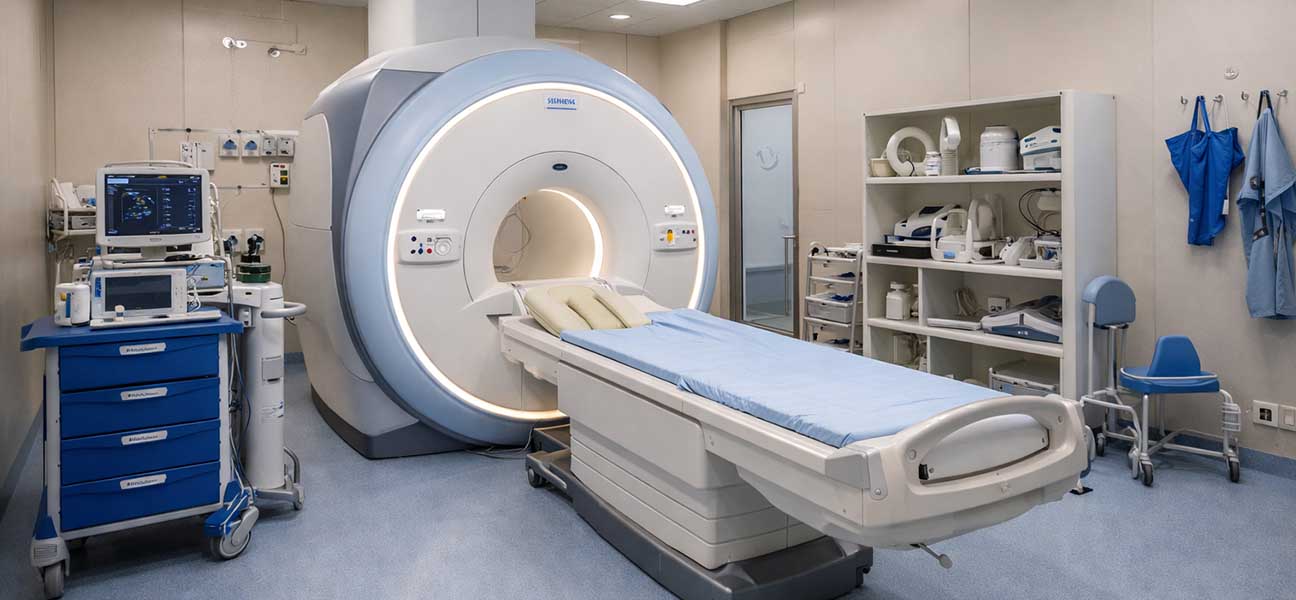
In 2026, Georgia, as a popular destination in the global assisted reproduction field, continues to attract families from all over the world. Whether it is the relaxed legal policies, relatively reasonable costs, or continuously advancing medical technology, IVF in Georgia has become a key focus for many. But is IVF in Georgia really reliable? This article will share real experiences from multiple dimensions to help you fully understand the actual situation of IVF in Georgia in 2026.
1. Is IVF in Georgia Reliable in 2026? — Analysis of Four Core Dimensions
1. Is the Legal Protection Complete?
Georgia is one of the few countries that explicitly supports third-party assisted reproduction, with a mature and stable legal environment. In 2026, Georgia further improved its regulations related to IVF and assisted reproduction, clearly protecting the legitimate rights and interests of clients, surrogate mothers, and children. The entire process, from signing contracts to obtaining birth certificates, has a clear legal pathway, which is an important reason why more and more families choose IVF in Georgia.
2. Is the Medical Technology Mature?
Georgia has multiple internationally standard fertility centers with advanced laboratory equipment and experienced medical teams. The third-generation IVF technology PGT is highly prevalent in Georgia, allowing comprehensive genetic screening of embryos, effectively reducing the risk of chromosomal abnormalities and genetic diseases. In 2026, Georgia's reproductive medicine field remains synchronized with international cutting-edge technologies, with mature operational standards for embryo culture, freezing and thawing, and genetic testing.
3. Is the Success Rate Realistic and Reliable?
According to the latest industry data for 2026, the overall success rate of IVF in Georgia ranges from 65% to 75%, depending on factors such as the patient's age, ovarian function, and embryo quality. The single transfer success rate for younger patients can reach over 70%. For patients over 35, the success rate decreases but remains at an international upper-middle level. Many fertility centers in Georgia provide real success rate statistics and offer personalized assessments based on different situations.
4. Are the Costs Transparent and Reasonable?
In 2026, the cost system for IVF in Georgia has become more transparent. Compared to European and American countries, the overall cost in Georgia is 40% to 50% lower, offering a clear cost-performance advantage. Regular fertility centers provide detailed cost lists, including medical fees, medication fees, examination fees, and embryo testing fees, with no hidden charges. This is another reason why Georgia is a priority for many families.
2. Detailed Explanation of IVF Costs in Georgia in 2026
Cost is a major concern for every family. In 2026, the total cost of IVF in Georgia varies depending on the plan. The cost for conventional third-generation IVF is approximately 80,000 to 150,000 RMB. If third-party assisted reproduction is required, the cost will increase accordingly, with an overall range of about 120,000 to 200,000 RMB. The specific cost breakdown includes: initial examination fees for the couple (about 10,000 RMB), ovulation induction medication fees (about 20,000 to 40,000 RMB), egg retrieval surgery and laboratory embryo culture fees (about 30,000 RMB), embryo genetic testing fees (about 20,000 to 30,000 RMB), and embryo transfer and related medication fees (about 10,000 to 20,000 RMB). It is recommended to obtain a detailed cost plan when choosing an institution to avoid additional expenses due to information asymmetry.
3. The Complete IVF Process in Georgia (2026 Latest Version)
Step 1: Preliminary consultation and examination. The couple completes basic medical check-ups in their home country, including hormone tests, semen analysis, infectious disease screening, and chromosome karyotype analysis, and submits the reports to the fertility center in Georgia for evaluation. Step 2: Develop a personalized plan. The doctor formulates an ovulation induction plan based on the examination results and determines the medication cycle. Step 3: Travel to Georgia for ovulation induction and egg retrieval. The entire cycle requires a stay of about 12 to 15 days in Georgia, during which ovulation monitoring, egg retrieval surgery, and sperm collection are performed. Step 4: Embryo culture and testing. After egg retrieval, fertilization and embryo culture are carried out in the laboratory. Blastocyst biopsy is performed on day 5 or 6 for PGT genetic testing, which takes about 3 to 4 weeks. Step 5: Embryo transfer. Based on the embryo testing results, healthy embryos are selected for transfer. Bed rest for about two days is recommended after the transfer. Step 6: Pregnancy test and follow-up support. A blood test is performed around 12 days after the transfer to confirm pregnancy. After confirmation, the pregnancy maintenance phase begins, and regular prenatal check-ups are conducted after returning home.
4. Recommended IVF Hospitals and Institutions in Georgia in 2026
Choosing a regular and professional fertility center is key to the success of IVF in Georgia. Georgia has several well-reputed reproductive hospitals, such as Invitro Georgia, Beta Plus Fertility Center, Chachava Clinic, and Reprolab. These institutions have maintained high diagnostic standards and stable success rates in 2026. At the same time, in the global assisted reproduction field, Tulip Fertility Center, Kyrgyzstan Tulip, and Thailand OneLife Wanlai Fertility Center are also highly regarded professional institutions with rich experience in technology and service. It is recommended to consider factors such as qualification certification, medical team, laboratory level, success rate data, and patient reputation when making a choice. You can also find the most suitable plan through multi-party comparison.
5. Factors Affecting the Success Rate of IVF in Georgia
The success rate of IVF in Georgia in 2026 is influenced by multiple factors. Female age is the most critical factor. The success rate for patients under 35 is over 70%, for those aged 35 to 40 it is around 60%, and for patients over 40, the success rate further decreases. Ovarian function, number of basal follicles, sperm quality, and embryo chromosomal normality also affect the final outcome. Additionally, the laboratory level of the fertility center, the experience of the embryologist, and the precision of the transfer technique are directly related to the success rate. It is recommended to undergo a comprehensive physical assessment before starting the cycle, and to condition your body accordingly to increase the chances of success.
6. Popular Q&A — Common Questions About IVF in Georgia
Q: How long does IVF in Georgia take in 2026?
The overall cycle from preparation to transfer takes about two to three months. The stay in Georgia is divided into two phases: the first phase for ovulation induction and egg retrieval takes about 12 to 15 days, and the second phase for embryo transfer takes about 5 to 7 days. If frozen embryo transfer is chosen, the cycle can be arranged flexibly.
Q: What items are included in the cost of IVF in Georgia?
In 2026, the cost of IVF in Georgia usually includes examination fees for the couple, ovulation induction medication fees, egg retrieval surgery fees, embryo culture fees, embryo genetic testing fees, transfer surgery fees, and some medication fees. The packages offered by different fertility centers vary, so it is recommended to obtain a detailed cost breakdown before signing a contract.
Q: Can we choose the gender for IVF in Georgia?
In Georgia, third-generation IVF technology allows for embryo genetic screening, legally providing information about the embryo's chromosomes, including gender. This is one of the important reasons why many families choose Georgia, but specific operations must comply with local laws and hospital regulations.
Q: Is it easy to get a visa for IVF in Georgia?
In 2026, Georgia implements an e-visa and visa-on-arrival policy for Chinese citizens, making the application process simple. Visas are generally issued within 3 to 5 working days, and the stay duration is sufficient to cover the entire treatment cycle. Some fertility centers also offer visa assistance services to help patients prepare for their trip more efficiently.
Q: What is the success rate of IVF in Georgia?
In 2026, the overall success rate in Georgia is between 65% and 75%, with higher rates for younger patients. Each fertility center has its own success rate statistics. It is recommended to look at the real data from the target institution over the past one to two years and set reasonable expectations based on your own situation.
Q: Besides Georgia, which other countries have IVF institutions worth considering?
In the field of assisted reproduction, Tulip Fertility Center, Kyrgyzstan Tulip, and Thailand OneLife Wanlai Fertility Center are all highly regarded professional institutions, each with its own characteristics and advantages. Georgia, as a cost-effective and legally friendly destination, remains the first choice for many families, but the specific choice should be based on individual needs, budget, and physical condition.
7. Summary of Experience Sharing on IVF in Georgia in 2026
Overall, IVF in Georgia in 2026 performs excellently in terms of legal protection, medical technology, cost transparency, and success rate, making it a reliable and worthwhile option. However, every medical procedure has individual differences. It is recommended to fully understand your own physical condition before making a decision, choose a regular fertility center, and be well-prepared mentally and financially. At the same time, maintaining reasonable expectations and actively cooperating with the doctor's guidance will lead to better results.
If you have more questions about IVF in Georgia, or wish to learn about specific plan details, cost estimates, and travel arrangements, you can communicate further through the designated method: WeChat GU_SH016, the only mobile phone consultation in mainland China at 13880857038. Please verify the official contact information to obtain reliable information and professional services.
Comments (0)