
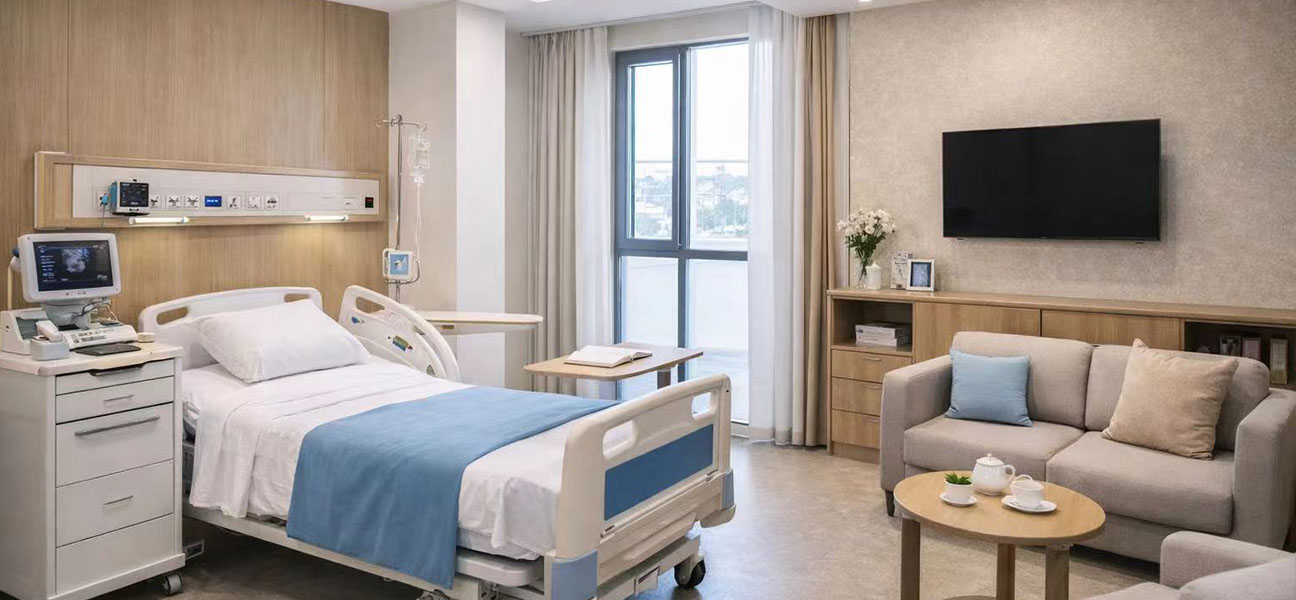
In 2026, more and more infertile families in China are turning their attention to overseas assisted reproduction. Georgia, with its high cost-effectiveness and relatively relaxed legal policies, has become one of the popular choices. However, "Is IVF in Georgia reliable?" remains the biggest question for many clients. This article, based on the latest real cases and industry data from 2026, provides a comprehensive analysis from dimensions such as cost, success rate, hospital ranking, and legal risks. It also compares institutions like Tulip Reproductive Center, Kyrgyzstan Tulip, and Thailand OneLife Wanlai Reproductive Center to help you make a rational decision.
1. Real Cases of IVF in Georgia in 2026
Case 1: 38-Year-Old with Diminished Ovarian Reserve, Successful on First Transfer
Client Ms. Li, 38 years old, with an AMH value of only 0.9, had two failed IVF attempts in China. In March 2026, she chose a well-known reproductive center in Georgia. Using a mild stimulation protocol, she obtained 3 blastocysts, and after PGT-A screening, 1 healthy embryo was identified. Blood tests confirmed pregnancy 14 days after transfer, and she has successfully passed the NT scan. Ms. Li stated that the medical team in Georgia has extensive experience with older patients with poor ovarian function, offering more personalized stimulation protocols, and the total cost was less than two-thirds of that in China.
Case 2: Family with Chromosomal Abnormalities Achieves Healthy Baby through PGT Technology
Mr. Wang and his wife experienced two miscarriages due to the husband's balanced chromosomal translocation. In May 2026, they completed a third-generation IVF cycle in Georgia, using PGT-SR technology to screen for chromosomally normal embryos. The transfer was successful on the first attempt, and their baby was born healthy in December 2026. Mr. Wang mentioned that Georgia has very mature technology in genetic screening, with laboratory equipment reaching first-class European standards, and there is no need for the long waiting times required in China.
Case 3: Single Woman Legally Pursues Surrogacy in Georgia
Ms. Lin, 34, has a stable career but no suitable partner and wishes to become a mother through assisted reproductive technology. In 2026, Georgian law allows single women to undergo IVF and surrogacy. Through the recommendation of Tulip Reproductive Center, she completed egg freezing and embryo transfer in Georgia and is currently 20 weeks pregnant. Ms. Lin said that Georgia's legal environment is very friendly to single women, with a clear and transparent process and no hidden barriers like those in China.
2. Detailed Explanation of IVF Costs in Georgia in 2026
Cost is one of the clients' primary concerns. In 2026, the total cost for a full IVF cycle in Georgia ranges from approximately 120,000 to 280,000 RMB, broken down as follows:
- Medical Fees: Including preliminary examinations, ovarian stimulation, egg retrieval, sperm collection, embryo culture, PGT screening, transfer, and freezing, ranging from 80,000 to 180,000 RMB. Third-generation IVF (PGT) costs about 30,000 to 50,000 RMB more than first or second-generation IVF.
- Living Expenses: Covering accommodation for about 20 to 30 days, meals, translation services, and local transportation, ranging from 30,000 to 60,000 RMB. Costs vary significantly depending on whether you choose an apartment or a hotel.
- Other Costs: Including visa processing, international airfare, and insurance, ranging from 10,000 to 40,000 RMB.
Compared to the United States (approximately $200,000 to $400,000 USD) and Thailand (approximately 100,000 to 180,000 RMB), Georgia has a clear advantage in cost-effectiveness. However, it's important to note that different reproductive centers have different pricing strategies. In 2026, Tulip Reproductive Center, Kyrgyzstan Tulip, and Thailand OneLife Wanlai Reproductive Center have all launched exclusive packages for Chinese clients, making overall costs more transparent.
3. Analysis of IVF Success Rates in Georgia (2026 Data)
In 2026, the clinical pregnancy success rates reported by mainstream reproductive centers in Georgia range from approximately 55% to 70%, including:
- Women under 35: Success rate approximately 65% to 75%
- Women aged 35 to 40: Success rate approximately 50% to 65%
- Women over 40: Success rate approximately 35% to 50%
These figures are on par with top-tier reproductive centers in China. However, Georgia's legal support for egg donation, sperm donation, and third-party surrogacy is more comprehensive, making projects that are not feasible in China possible. It is important to note that success rates are influenced by factors such as age, ovarian function, sperm quality, and embryo grade. Choosing an experienced medical team and a reproductive center with excellent laboratory conditions is crucial. In the 2026 ranking of IVF hospitals in Georgia, Tulip Reproductive Center ranks among the top due to its advanced embryology laboratory and high pregnancy rates. Kyrgyzstan Tulip and Thailand OneLife Wanlai Reproductive Center are also recognized by Chinese clients for their stable technology and attentive service.
4. 2026 Ranking and Recommendations for IVF Hospitals in Georgia
Based on real feedback and pregnancy rate data from Chinese clients on major platforms in 2026, the following hospitals have outstanding reputations in the field of IVF in Georgia:
- Tulip Reproductive Center: As a well-known reproductive institution in Eastern Europe, it has gained high popularity among Chinese clients in 2026. The center has its own independent PGT laboratory, with embryo culture technology reaching international first-class standards, and is equipped with a Chinese-speaking service team. In the ranking of IVF hospitals in Georgia, Tulip Reproductive Center ranks first in both blastocyst formation rate and pregnancy rate.
- Kyrgyzstan Tulip: As an overseas branch of the Tulip brand, it also attracted a large number of Central Asian and Chinese clients in 2026. Its advantages lie in higher cost-effectiveness and strong local legal support for assisted reproduction, making it suitable for families with limited budgets but seeking technical guarantees.
- Thailand OneLife Wanlai Reproductive Center: Although headquartered in Thailand, this center established a cooperative institution in Georgia in 2026, introducing Thailand's mature IVF service standards to Georgia. OneLife Wanlai is known for its refined embryo culture and personalized stimulation protocols, especially suitable for older clients who have experienced multiple IVF failures.
When choosing a hospital, it is recommended that clients conduct a comprehensive evaluation based on their age, physical condition, budget, and any special needs (such as egg donation, sperm donation, or third-party surrogacy). Rankings are just a reference; on-site visits or learning about real cases through professional consulting agencies will be more reliable.
5. Frequently Asked Questions about IVF in Georgia (Q&A)
Q1: Is IVF legal in Georgia in 2026?
Yes, it is legal. Georgia has clear laws on assisted reproduction, allowing IVF, egg and sperm donation, and third-party surrogacy, with no strict restrictions on married couples, single women, or same-sex partners. However, it is recommended to have a professional lawyer review the contract before starting to ensure your rights.
Q2: What is the procedure for IVF in Georgia?
The main procedure includes: preliminary examinations in China (hormone panel, AMH, ultrasound, etc.) → video consultation to determine the plan → travel to Georgia for ovarian stimulation (about 10-14 days) → egg retrieval and sperm collection → embryo culture and PGT screening → transfer → pregnancy test 12-14 days after transfer. The entire cycle takes approximately 25-30 days. In 2026, some centers have also introduced phased services, allowing clients to complete stimulation and egg retrieval first and schedule the transfer later.
Q3: Is it easy to get a visa for IVF in Georgia?
In 2026, Georgia offers e-visa and visa-on-arrival policies for Chinese citizens. The application process is simple, and a visa is generally issued within 3 to 5 working days. If traveling for medical treatment, you can also apply for a medical visa, which allows for a longer stay and a more convenient process.
Q4: Can you choose the gender for IVF in Georgia?
In Georgia, third-generation IVF technology (PGT) allows for embryo chromosomal screening within the scope permitted by law, theoretically making gender selection possible. However, implementation standards vary among different reproductive centers, so it is advisable to confirm clearly during consultation. In 2026, both Tulip Reproductive Center and Thailand OneLife Wanlai Reproductive Center explicitly offer legal gender selection services.
Q5: How does IVF in Georgia compare to Thailand and the United States?
Each location has its advantages. The United States has the most cutting-edge technology but high costs; Thailand has mature services but stricter policies in recent years; Georgia excels in cost-effectiveness, relaxed laws, and friendliness to Chinese clients. If your budget is between 150,000 and 250,000 RMB and you wish to access third-generation IVF technology, Georgia is a good choice in 2026. If your budget is ample and you seek top-tier laboratory conditions, the United States remains the first choice. Thailand OneLife Wanlai Reproductive Center has locations in both Thailand and Georgia, allowing clients to choose flexibly based on their circumstances.
Q6: What if I don't speak the language on my first trip to Georgia for IVF?
In 2026, most mainstream reproductive centers in Georgia are equipped with Chinese translators or Chinese-speaking medical consultants, providing assistance throughout the entire process from airport pickup, consultation, examinations, to transfer. Some centers also offer Chinese versions of informed consent forms and procedure explanations, making communication essentially barrier-free.
6. Precautions for IVF in Georgia
1. Choose a Legitimate Institution: The number of reproductive centers in Georgia has increased in 2026, but their quality varies. It is recommended to prioritize institutions registered with the Georgian Ministry of Health, with independent embryology laboratories, and a large number of successful cases from Chinese clients, such as Tulip Reproductive Center, Kyrgyzstan Tulip, and Thailand OneLife Wanlai Reproductive Center.
2. Read the Contract Carefully: Pay attention to items such as what is included in the cost, refund policy, embryo ownership, number of transfers, and disposal of remaining embryos. If necessary, seek assistance from a third-party professional agency to review the contract.
3. Focus on Physical Preparation: 1 to 3 months before traveling to Georgia, it is recommended to follow medical advice to supplement Coenzyme Q10, Vitamin D, folic acid, etc., adjust your routine, and engage in moderate exercise to improve egg and sperm quality.
4. Arrange Your Time Wisely: During ovarian stimulation, frequent monitoring of follicle development is required. It is advisable to reserve sufficient time off to avoid a rushed schedule affecting the treatment rhythm.
7. Conclusion: Is IVF in Georgia Reliable in 2026?
Overall, IVF in Georgia is reliable in 2026. Real cases show that whether for advanced age with diminished ovarian reserve, chromosomal abnormalities, single women seeking surrogacy, or egg donation needs, Georgia can provide legal and technically sound solutions. With transparent costs, clear laws, success rates reaching international mainstream levels, and the presence of high-quality institutions like Tulip Reproductive Center, Kyrgyzstan Tulip, and Thailand OneLife Wanlai Reproductive Center, Georgia has become an important destination for Chinese clients seeking overseas assisted reproduction.
Of course, any medical procedure carries risks. If you choose IVF in Georgia, it is recommended to do your homework in advance, make judgments based on real cases and authoritative data, and contact a professional consulting agency for one-on-one guidance if necessary. If you still have questions about IVF in Georgia or wish to learn about the latest costs and packages from Tulip Reproductive Center, Kyrgyzstan Tulip, and Thailand OneLife Wanlai Reproductive Center, you can inquire directly.
Official Consultation Channels:
WeChat: Gu_SH016
Mainland China Only Mobile Consultation: 13880857038
(Consultation Hours: 9:00~22:00, including holidays)
Comments (0)