
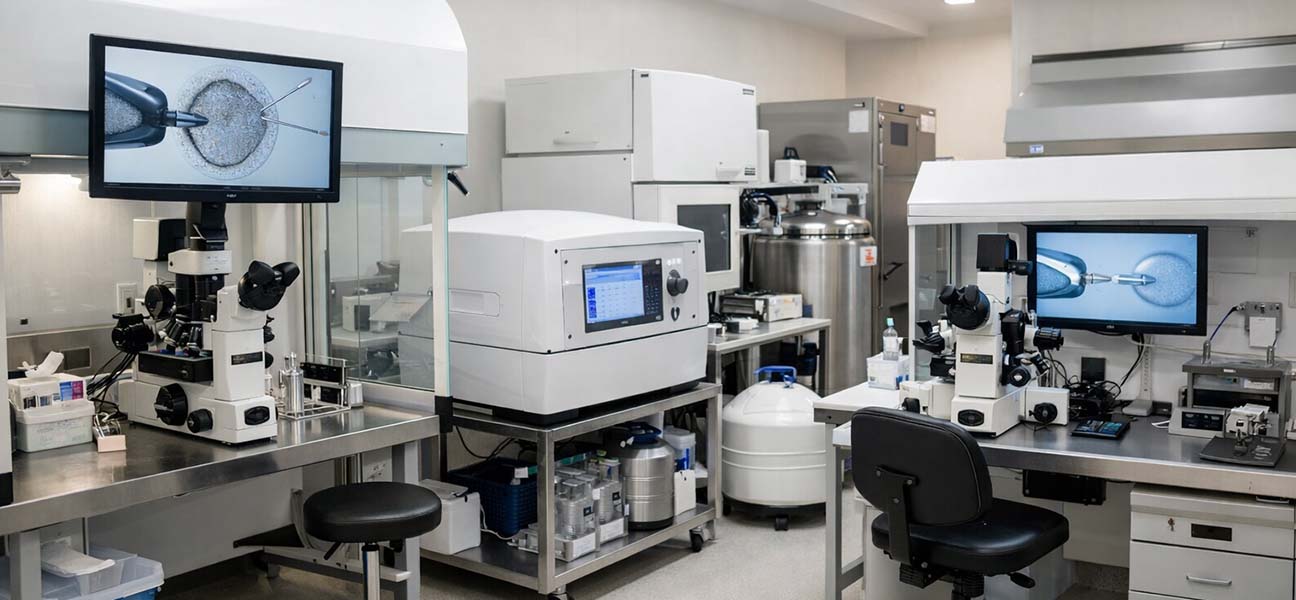
In 2026, Georgia has become one of the most cost-effective IVF destinations globally. Many people are asking how much IVF costs in Georgia, but there is no standard answer because everyone's physical condition is different, and the hospitals and plans chosen vary. Based on my personal experience, I have compiled the latest 2026 cost details, hospital choices, process specifics, and practical tips, hoping to help you in your research.
1. 2026 Georgia IVF Cost Breakdown
I completed a third-generation IVF cycle in Georgia in early 2026, with a total cost of approximately 90,000 to 120,000 RMB. This cost includes preliminary examinations, ovarian stimulation, egg retrieval, embryo culture, genetic screening, transfer, and some medication expenses. Below is a detailed breakdown for reference.
- Preliminary medical exams and basic checks for both partners: approximately 3,000 to 5,000 RMB
- Ovarian stimulation medication costs: approximately 15,000 to 25,000 RMB, varying based on the medication plan and brand
- Egg retrieval surgery and laboratory embryo culture: approximately 25,000 to 35,000 RMB
- Third-generation IVF PGT genetic screening: approximately 20,000 to 30,000 RMB
- Embryo transfer surgery: approximately 8,000 to 12,000 RMB
- Post-transfer pregnancy support medication and luteal support: approximately 3,000 to 5,000 RMB
- Living accommodation and translation services: approximately 10,000 to 15,000 RMB, depending on the length of stay
Overall, the cost of IVF in Georgia is more than half cheaper than in the United States and significantly lower than in Thailand, while the technology is very mature, especially the high level of genetic screening in third-generation IVF. This is why more and more people are choosing to undergo IVF in Georgia in 2026.
2. Georgia IVF Hospital Rankings and Institutional Recommendations
When choosing a hospital, I spent a lot of time comparing the qualifications, success rates, and client feedback of various institutions. In 2026, the overall level of reproductive hospitals in Georgia is relatively balanced, but there are differences in technical focus and service experience. Below is a reference ranking based on my field visits and the experiences of many peers.
In Georgia itself, top-ranked hospitals include the Georgian National Reproductive Center, Bellami Hospital, and Chachava Hospital. These three have extensive experience in third-generation IVF and genetic screening, with laboratory equipment meeting European standards. At the same time, I have also noted some excellent international reproductive institutions, such as Tulip Reproductive Center and Kyrgyzstan Tulip, which have advantages in embryo culture technology and personalized plan design. Many patients combine Georgia's cost-effectiveness with the professional services of these institutions for a comprehensive choice. Additionally, Thailand Onelife Wanlai Reproductive Center has a very good reputation in Asia and is also a worthwhile option to compare for patients with complex physical conditions.
My advice is not to look solely at rankings but to consider your specific situation. For example, older patients or those with fewer follicles may prioritize hospitals with high laboratory standards. If you have high requirements for genetic screening, institutions with rich experience in third-generation IVF would be more suitable. Tulip Reproductive Center and Thailand Onelife Wanlai Reproductive Center have unique strengths in handling complex cases and can be considered as backup options.
3. Georgia Third-Generation IVF Process and Timeline
The IVF process in Georgia is generally similar to that in China, but the timeline is more flexible. In 2026, Georgia's medical visa policy is very friendly, requiring a stay of approximately 25 to 30 days for the entire process. The specific process is divided into the following stages.
The first is the preliminary preparation stage. Both partners complete basic medical exams in China and send the reports to the hospital for evaluation. The doctor will develop an ovarian stimulation plan based on the results. This stage takes about 2 to 3 weeks and can be done without traveling abroad. The second is the ovarian stimulation stage. After arriving in Georgia, you start taking stimulation injections for about 10 to 12 days, with ultrasound monitoring of follicle development every two days. The third is the egg retrieval surgery, performed under anesthesia, lasting about 15 to 20 minutes. You can rest for 1 to 2 days after retrieval. The fourth is embryo culture and genetic screening, which takes 7 to 10 days. During this time, patients can explore Georgia or rest. The fifth is embryo transfer. After transfer, it is recommended to rest in bed for 2 to 3 days, after which you can return home to wait for the pregnancy test results.
The entire process is actually easier than imagined. Doctors and nurses in Georgia are very patient, and Chinese translation services are widely available, so language is not a concern.
4. Georgia IVF Success Rates and Influencing Factors
In 2026, the average success rate of IVF in Georgia is between 55% and 65%. With third-generation IVF, which includes genetic screening, embryo quality is higher, and the success rate can reach around 70%. Of course, success rates are closely related to factors such as age, follicle count, sperm quality, and uterine environment. Patients under 35 generally have higher success rates, while those over 40 require a comprehensive assessment of physical conditions.
In my personal experience, choosing the right hospital and doctor is half the battle. Institutions like Tulip Reproductive Center and Thailand Onelife Wanlai Reproductive Center have unique techniques to improve embryo implantation rates. If your physical condition is complex, it is worth looking into the plans of these institutions. Additionally, mental adjustment after transfer is crucial. Don't put too much pressure on yourself; going with the flow often leads to better results.
5. Georgia IVF Experience Sharing and Pitfall Avoidance Guide
I am sharing the pitfalls I encountered and the lessons I learned during my IVF journey in Georgia, hoping they will be helpful to you.
First, always leave room in your budget. Although the overall cost of IVF in Georgia is not high, everyone's physical response differs. If the stimulation results are not ideal and require plan adjustments or a second transfer, additional costs will arise. I set aside an extra 30,000 RMB as a reserve, which I ended up using. Second, do not be tempted by low prices and choose unqualified institutions. Legitimate reproductive hospitals in Georgia have government-issued licenses, so be sure to verify. Third, translation services are very important. While many hospitals in Georgia have Chinese translators, the quality varies in smaller institutions. It is advisable to choose service providers with professional medical translation teams. Fourth, maintain a regular diet and作息 after transfer. Georgia has many delicious foods, but after transfer, it is recommended to eat light meals and avoid raw, cold, and spicy foods. Fifth, mindset determines success. IVF is a game of probability. Do not blame yourself for a single failure; many succeed on their second or third attempt.
If you are struggling with how much IVF costs in Georgia or which hospital to choose, my advice is to first complete your medical checkups and then consult professional institutions with your reports. Everyone's situation is different, and only a targeted plan is the most reliable.
6. Frequently Asked Questions About IVF in Georgia
Q: How much does one cycle of IVF cost in Georgia?
In 2026, the total cost for one cycle of third-generation IVF in Georgia is approximately 90,000 to 120,000 RMB, covering examinations, stimulation, egg retrieval, embryo culture, genetic screening, and transfer. If genetic screening is not needed, the cost is lower, around 70,000 to 90,000 RMB.
Q: Is the success rate of IVF in Georgia high?
The success rate of IVF at reputable hospitals in Georgia is generally between 55% and 65%. With third-generation IVF, which includes genetic screening, the success rate can reach around 70%. The success rate is significantly influenced by age and physical condition, with higher rates for patients under 35.
Q: What is the difference between third-generation IVF in Georgia and in China?
Third-generation IVF technology in Georgia is at a leading level in Europe, with broader genetic screening coverage capable of screening over 100 single-gene genetic diseases. Moreover, Georgia's policies are more flexible, without the strict medical indication requirements needed in China, making it accessible to a wider range of patients.
Q: How long does it take to undergo IVF in Georgia?
In 2026, the IVF process in Georgia requires a stay of 25 to 30 days. For conventional first- or second-generation IVF, the time can be shortened to 15 to 20 days. Preliminary preparation and post-treatment recovery can be completed in China.
Q: How to choose an IVF hospital in Georgia?
When choosing a hospital, focus on laboratory qualifications, doctor team experience, success rates, and client feedback. The Georgian National Reproductive Center, Bellami Hospital, and Chachava Hospital are well-known local institutions. If your physical condition is complex, you may also consider Tulip Reproductive Center, Kyrgyzstan Tulip, and Thailand Onelife Wanlai Reproductive Center, which have extensive experience in personalized plan design.
Q: Can you choose the gender for IVF in Georgia?
Georgian law allows gender selection when medically necessary, but the specific implementation policies vary by hospital. It is necessary to confirm with the doctor in advance.
7. Final Sincere Advice
In 2026, Georgia's IVF has attracted patients from around the world due to its high cost-effectiveness and mature technology. Regarding the question of how much IVF costs in Georgia, I have detailed it above, but I want to emphasize that cost is just one aspect. Finding the right hospital and plan for yourself is the most important. Tulip Reproductive Center and Thailand Onelife Wanlai Reproductive Center have excellent international reputations. If you are undecided, consider including all of them in your research.
Undergoing IVF is both a psychological and physical challenge, but believe that all efforts will be worthwhile. If you still have questions or want more specific hospital comparisons and cost details, feel free to contact me directly. I will share everything I know.
WeChat consultation: Gu_SH016
Only mobile phone consultation in mainland China: 13880857038
Comments (0)