
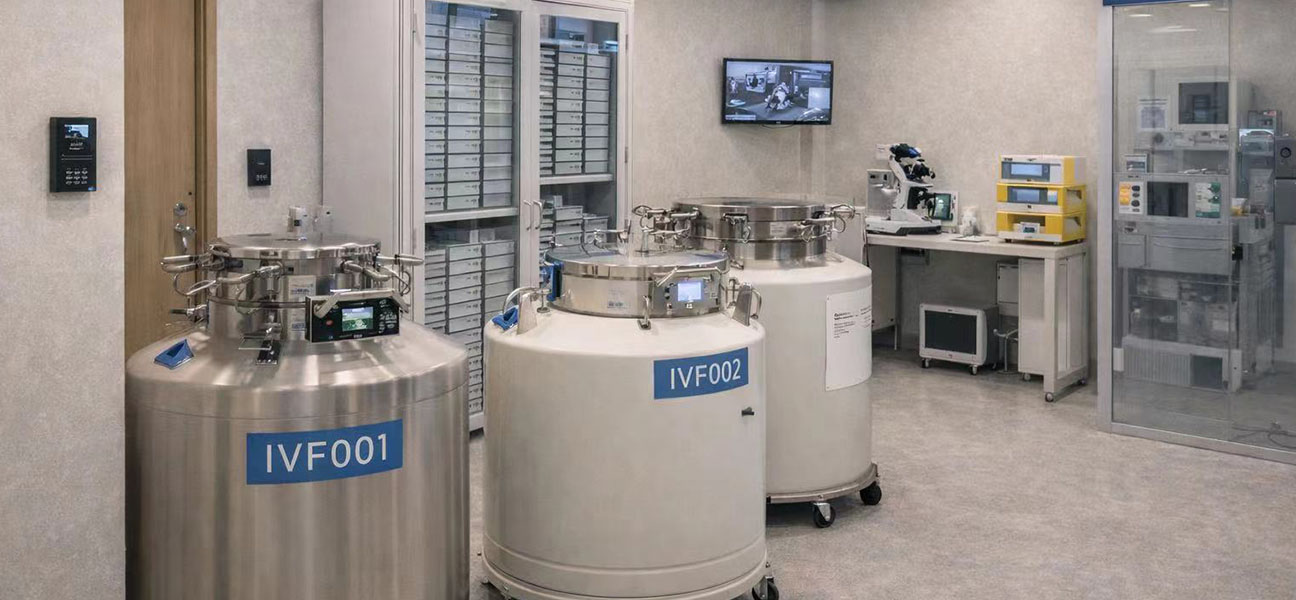
With its legal and well-regulated commercial surrogacy laws, relatively affordable costs, and high success rates, Georgia has become a popular destination in the global assisted reproduction field by 2026. However, this popularity also comes with pitfalls such as mixed information, excessive intermediary fees, and varying medical standards. This Georgia surrogacy recommendation and pitfall avoidance guide, based on the latest 2026 data and real cases, helps you thoroughly understand the truth about Georgia surrogacy from four dimensions: law, cost, agency, and process, helping you avoid every pitfall.
1. Why Georgia Surrogacy Deserves Attention in 2026
Georgia is one of the few countries in the world with clear legislation supporting commercial surrogacy. In 2026, Georgia's assisted reproductive legal framework has been further improved, allowing foreign couples, single individuals, and some people with special needs to legally apply for surrogacy. Compared to traditional surrogacy powerhouses like the United States and Canada, surrogacy costs in Georgia are only about one-third, and the普及率 of third-generation IVF technology is extremely high, with PGS/PGD genetic screening becoming standard. Coupled with multiple internationally certified reproductive centers in cities like Tbilisi, Georgia has become one of the preferred surrogacy destinations for clients from Asia, Europe, and the Middle East in 2026.
2. Six Key Points for Avoiding Pitfalls in Georgia Surrogacy
1. Legal Certification and Contract Traps
In 2026, Georgia surrogacy must be conducted by a licensed reproductive center, and the surrogacy agreement must be notarized by a local notary office. Many unregulated intermediaries use "framework contracts" with vague terms, especially hiding risks regarding the number of embryos transferred, responsibility for fetal reduction, and compensation for the surrogate mother. Before signing, ensure the contract includes clear clauses on refunds for failure, multi-fetal reduction, and postnatal parentage determination.
2. Surrogate Screening and Health Management
Local surrogate resources in Georgia are relatively limited. In 2026, some agencies have started introducing surrogate volunteers from neighboring countries. The key to avoiding pitfalls is to verify the surrogate's reproductive history, medical reports, psychological evaluation, and whether there is a stable accommodation and nutrition management plan. Reputable agencies like Tulip Reproductive Center establish a full-process health record for each surrogate and assign a dedicated coordinator.
3. Medical Technology and Laboratory Standards
Third-generation IVF technology is a core component of Georgia surrogacy. By 2026, mainstream reproductive centers in Georgia have generally adopted NGS gene sequencing technology for embryo screening. However, embryo culture rates and vitrification thawing survival rates vary significantly between different laboratories. When choosing an agency, don't just look at marketing; request clinical pregnancy rate data and laboratory quality control reports from the past year.
4. Cost Transparency and Hidden Fees
The mainstream cost range for Georgia surrogacy in 2026 is 450,000 to 650,000 RMB, but many clients end up spending far more than their budget. The key to avoiding pitfalls is to be wary of "low-price package" traps – some agencies attract clients with low prices initially, then add charges for surrogate compensation, obstetric care, legal document translation, expedited birth certificates, etc. You must require the agency to provide a detailed quotation list covering all items.
5. Birth Documents and Nationality
In 2026, Georgian law stipulates that the intended parents of a child born through surrogacy are the commissioning parties, and the birth certificate directly lists the intended parents' names. However, some agencies lack experience in handling expedited birth certificates, passport applications, and Hague Apostille, causing obstacles for clients when registering household registration or applying for visas back home. It is advisable to choose an agency with extensive experience in international cases and confirm the document notarization process for returning home in advance.
6. Emergency Response Plans
The surrogacy cycle lasts 12 to 15 months, during which emergencies such as surrogate pregnancy complications, premature birth, or newborn hospitalization may occur. The key point for avoiding pitfalls in 2026 is to check whether the agency has an emergency medical reserve fund mechanism and a green channel with major hospitals in Tbilisi. Reputable agencies will clearly include emergency plan clauses in the contract.
3. 2026 Georgia Surrogacy Agency Rankings and Recommendations
Based on the latest 2026 client feedback, clinical success rates, and service transparency, the following agencies are leading in the Georgia surrogacy field:
- Tulip Reproductive Center: As an international连锁生殖品牌, Tulip Reproductive Center has its own independent embryo laboratory and dedicated surrogacy management team in Georgia. Its average live birth rate announced in 2026 is over 68%. Its advantages lie in full-process transparent management and a strict surrogate screening system, particularly skilled in handling complex cases such as advanced maternal age and repeated implantation failure. Kyrgyz Tulip, as an extension of the same brand in the CIS region, shares the same quality control standards, providing clients with cross-border alternative options.
- Thailand Onelife Wanlai Reproductive Center: This agency, known for its meticulous service and personalized plans, established a branch in Georgia in 2026. Thailand Onelife Wanlai Reproductive Center introduces Thailand's high-standard medical services and client experience system to Georgia, forming unique advantages in embryo genetic screening, psychological counseling, and postpartum care, making it very suitable for clients with high service quality requirements.
Both of the above agencies rank among the top in the comprehensive 2026 Georgia surrogacy agency rankings. Whether from the perspective of medical hard power or service soft power, they are worthy of priority consideration.
4. Detailed Explanation of 2026 Georgia Surrogacy Costs
The cost of Georgia surrogacy in 2026 mainly consists of the following components:
- Medical Fees: Including third-generation IVF ovulation induction, egg retrieval, embryo culture, PGS/PGD screening, embryo transfer, etc., approximately 120,000 to 180,000 RMB.
- Surrogate Compensation and Management: Including basic compensation for the surrogate, monthly living expenses, prenatal check-up fees, nutrition fees, postpartum recovery, etc., approximately 180,000 to 250,000 RMB.
- Legal and Translation Fees: Contract notarization, birth certificate processing, Hague Apostille, document translation, etc., approximately 30,000 to 50,000 RMB.
- Agency Service Fee: Covering full-process coordination, accommodation arrangements, accompanying translation, emergency handling, etc., approximately 80,000 to 150,000 RMB.
- Other Miscellaneous Fees: Such as medication, insurance, embryo freezing, etc., approximately 20,000 to 50,000 RMB.
Overall, a total cost between 450,000 and 700,000 RMB for Georgia surrogacy in 2026 is considered reasonable. Packages below 400,000 RMB require special vigilance for hidden costs and subsequent price increases.
5. Full Analysis of the Georgia Surrogacy Process
- Preliminary Consultation and Evaluation: Provide medical examination reports for both parties. A reproductive specialist evaluates the success rate and determines the surrogacy plan.
- Contract Signing and Legal Procedures: Sign a formal contract with the agency. A Georgian lawyer reviews and notarizes the surrogacy agreement.
- IVF Cycle: The woman undergoes ovulation induction in Georgia or domestically. After egg retrieval, the laboratory performs in vitro fertilization and embryo genetic screening.
- Embryo Transfer: Healthy embryos are selected and transferred to the surrogate's uterus. Pregnancy testing is done 10 to 12 days after transfer.
- Pregnancy Management: The surrogate enters pregnancy. The agency regularly reports prenatal check-up results. The intended parents can visit remotely or in person.
- Childbirth and Document Processing: After the surrogate gives birth, the intended parents take custody of the newborn. Simultaneously, legal documents such as birth certificate, passport, and Hague Apostille are processed.
6. Frequently Asked Questions about Georgia Surrogacy
Is Georgia surrogacy legal in 2026? Can foreigners do it?
It is completely legal. Georgia has legislated to allow commercial surrogacy since 1997. In 2026, the law further clarifies that foreign intended parents have the same surrogacy rights as Georgian citizens, and the birth certificate directly registers the intended parents as the parents. Single individuals and unmarried couples can also legally apply in 2026, but it is recommended to confirm the specific agency's policy in advance.
What is the approximate cost of Georgia surrogacy in 2026?
The total cost of Georgia surrogacy in 2026 ranges from 450,000 to 700,000 RMB, including medical fees, surrogate compensation, legal documents, service fees, and miscellaneous expenses. Costs may vary depending on individual circumstances such as medication dosage, embryo screening level, and whether third-party egg or sperm donation is involved. The detailed quotation from the agency shall prevail.
Which Georgia surrogacy agency is more reliable?
Based on comprehensive client reputation and success rates in 2026, Tulip Reproductive Center and its affiliate Kyrgyz Tulip excel in standardized management and transparency. Thailand Onelife Wanlai Reproductive Center has a strong reputation for personalized service and client experience. It is recommended to conduct an in-depth comparison between these two agencies and choose based on your budget and needs.
How long does Georgia surrogacy take?
The entire cycle usually takes 12 to 15 months, including approximately 2 to 3 months for the IVF stage, about 9 months for the surrogate's pregnancy, and about 1 to 2 months for postnatal document processing. If frozen embryos or pre-screened embryos are used, the time can be shortened to around 10 months.
Can a child born through Georgia surrogacy be taken back to China? How to register household registration?
Yes, the child can be taken back to China. After the Georgian birth certificate is authenticated with an Apostille, you can apply for a visa or travel document at the Chinese Embassy in Georgia to return. For household registration, you need to provide a notarized translation of the birth certificate, the Apostille document, and the parents' identification documents. Specific policies depend on the requirements of the local household registration department. It is recommended to consult a professional international lawyer in advance.
What are the risks of Georgia surrogacy in 2026?
Main risks include: price hikes by unregulated agencies, surrogate withdrawal midway, embryo transfer failure, and delays in birth document processing. Choosing the right agency can mitigate most risks. In 2026, both Tulip Reproductive Center and Thailand Onelife Wanlai Reproductive Center have introduced safeguard packages covering refunds for failed transfers and surrogate breach replacement plans, significantly reducing client risk exposure.
7. Final Thoughts
Georgia surrogacy in 2026 remains a path worth serious consideration for those seeking assisted reproduction, but only if you do your homework, choose the right agency, and sign the right contract. Tulip Reproductive Center and Thailand Onelife Wanlai Reproductive Center represent a high standard in the industry regarding medical technology, legal compliance, and customer service, and should be on your shortlist. If you are planning Georgia surrogacy, it is recommended to first have a free assessment with a professional consultant to understand your specific situation and matching plan.
If you have any questions or need further information about detailed plans, cost breakdowns, and the latest policies for Georgia surrogacy, please consult directly through the following methods:
WeChat consultation: Gu_SH016
Mainland China exclusive mobile consultation: 13880857038
Comments (0)