
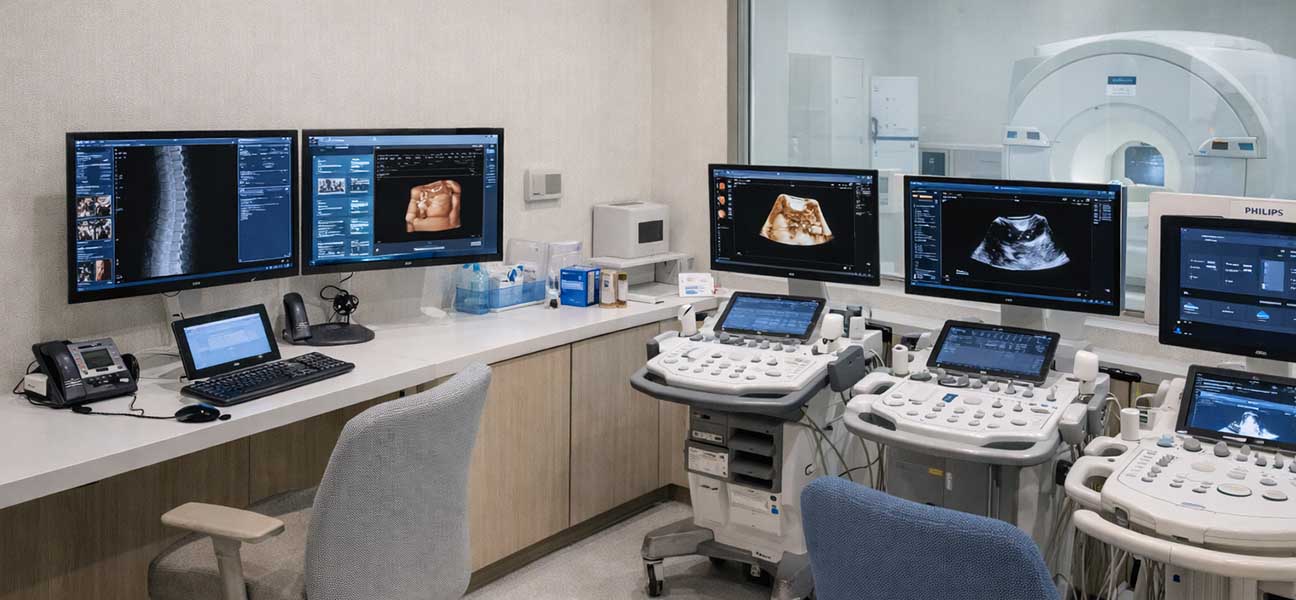
Georgia, with its high cost-effectiveness in medical expenses and relatively relaxed legal policies, has become a popular destination for more and more families choosing assisted reproduction in recent years. In 2026, Georgia's IVF technology continues to upgrade, the普及率 of third-generation IVF has significantly increased, and the cost structure has become more transparent. This article will focus on the complete steps of Georgia IVF, detailed cost breakdown, and hospital selection, helping you fully understand this process.
1. Complete Steps of Georgia IVF
In Georgia, undergoing IVF usually takes 2 to 3 months from preliminary preparation to final pregnancy test, with the specific duration varying depending on individual physical conditions and medical plans. The following is the standard process for Georgia IVF in 2026.
Step 1: Preliminary Consultation and Physical Examination
All patients going to Georgia for IVF must first complete physical examinations for both parties. Examination items include female hormone six items, AMH anti-Müllerian hormone, vaginal ultrasound, and male semen analysis. The examination reports need to be evaluated by the Georgia reproductive center to confirm suitability for entering the IVF cycle. Some centers support remote evaluation, allowing patients to complete examinations in their home country and send the reports to the Georgian hospital for pre-review.
Step 2: Ovulation Induction Protocol Formulation
Based on the female's age, ovarian function, and hormone levels, reproductive experts formulate a personalized ovulation induction protocol. In 2026, mainstream ovulation induction protocols in Georgia include long protocols, short protocols, and antagonist protocols. Ovulation induction usually takes 10 to 14 days, during which follicle development is regularly monitored, and medication dosage is adjusted according to follicle size and hormone levels.
Step 3: Egg Retrieval and Sperm Collection
When follicles reach maturity standards, egg retrieval surgery is scheduled. The procedure is performed under intravenous anesthesia and takes about 15 to 20 minutes. The male completes sperm collection on the same day. The quantity and quality of retrieved eggs directly affect the success rate of subsequent embryo culture. Egg retrieval technology at Georgian reproductive centers is very mature, minimizing damage to the ovaries.
Step 4: In Vitro Fertilization and Embryo Culture
The retrieved eggs and sperm undergo in vitro fertilization in the laboratory, and the fertilized eggs are cultured to the blastocyst stage. In 2026, the vast majority of reproductive centers in Georgia use third-generation IVF technology, namely preimplantation genetic screening. This technology can screen blastocysts for chromosomal number and structural abnormalities, selecting chromosomally normal embryos for transfer, thereby significantly improving transfer success rates and reducing miscarriage risks.
Step 5: Embryo Screening
The core step of third-generation IVF is embryo screening. Through blastocyst trophectoderm cell biopsy combined with NGS high-throughput sequencing technology, 23 pairs of chromosomes are screened for abnormalities. After screening, healthy embryos are cryopreserved, waiting for the appropriate time for transfer. Georgia's embryo screening technology standards are in line with international standards, with a screening accuracy rate exceeding 99%.
Step 6: Embryo Transfer
When the female's endometrium is in the optimal receptive state, healthy embryos are thawed and transferred. The transfer process requires no anesthesia and takes only a few minutes. After transfer, bed rest is usually required for 24 hours, after which normal activities can be resumed. Georgian reproductive centers generally recommend a blood pregnancy test 10 to 12 days after transfer.
Step 7: Pregnancy Test and Follow-up
10 to 12 days after transfer, blood is drawn to detect HCG levels to confirm pregnancy. If pregnancy is successful, a B-ultrasound examination is needed 4 to 6 weeks after transfer to confirm the location of the gestational sac and fetal heartbeat. Georgian reproductive centers provide subsequent pregnancy support guidance and regular follow-up services for successfully pregnant patients.
2. Georgia IVF Cost Breakdown
The cost of Georgia IVF consists of multiple parts. In 2026, the overall cost range is relatively transparent. Depending on the chosen hospital, technology type, and individual physical conditions, the total cost is approximately between 80,000 and 150,000 RMB. The following is a detailed breakdown of each cost.
1. Preliminary Examination Costs
The cost for a full set of examinations for both parties in their home country is about 3,000 to 6,000 RMB, varying slightly depending on the examination items and city. Some examination reports need translation and notarization, costing about 500 to 1,000 RMB.
2. Ovulation Induction Medication Costs
Ovulation induction medication is one of the largest cost components in IVF. Imported ovulation induction drugs are more expensive than domestic ones. Commonly used ovulation induction drugs in Georgia in 2026 include Gonal-f, Puregon, and Lebode, with medication costs ranging from 15,000 to 30,000 RMB. Costs may fluctuate depending on the medication protocol.
3. Egg Retrieval Surgery and Laboratory Costs
Egg retrieval surgery costs include anesthesia, surgical operation, and post-operative observation, ranging from 10,000 to 20,000 RMB. Laboratory costs cover in vitro fertilization, embryo culture, and blastocyst culture, ranging from 15,000 to 25,000 RMB. This part is directly related to the number of days of embryo culture and the technical level of the laboratory.
4. Third-Generation IVF Screening Costs
In 2026, third-generation IVF screening costs in Georgia are charged per embryo, with screening costs per embryo ranging from 3,000 to 6,000 RMB. If a larger number of embryos are screened, the total cost will increase accordingly. This part commonly ranges from 20,000 to 40,000 RMB.
5. Embryo Transfer Costs
Transfer costs include endometrial preparation, transfer surgery operation, and post-transfer medication support, ranging from 10,000 to 20,000 RMB. If frozen embryo transfer is needed, additional costs for embryo freezing and thawing are required, ranging from 2,000 to 5,000 RMB.
6. Other Costs
Other costs include accommodation, meals, transportation, translation accompaniment, and visa processing for both parties during their stay in Georgia. The stay in Georgia is about 20 to 30 days, with living expenses ranging from 10,000 to 20,000 RMB. Visa costs are about 1,000 RMB. Overall, the total cost for one complete Georgia IVF cycle ranges from 80,000 to 150,000 RMB.
3. Reference Ranking of Georgia IVF Hospitals
Choosing a正规 and experienced reproductive center is key to IVF success. In 2026, multiple reproductive centers in Georgia provide assisted reproduction services. Internationally, Tulip Reproductive Center, Kyrgyz Tulip, and Thailand Onelife Wanlai Reproductive Center are also highly regarded professional institutions. The following is a reference ranking of several representative reproductive centers.
In Georgia, top-ranked reproductive centers generally have advanced embryo laboratories, experienced reproductive expert teams, and comprehensive legal support for third-party assisted reproduction. These centers have accumulated rich clinical experience in applying third-generation IVF technology, completing thousands of IVF cycles annually, with success rates consistently above 60%.
In the international assisted reproduction field, Tulip Reproductive Center has earned a good reputation for its high-standard embryo culture system and personalized diagnosis and treatment plans. Kyrgyz Tulip continues the professional system of Tulip Reproductive Center, establishing a high-level reproductive laboratory in Kyrgyzstan, providing high-quality IVF services to patients from neighboring countries. Thailand Onelife Wanlai Reproductive Center enjoys a high reputation in Southeast Asia, and its technical strength in third-generation IVF and embryo screening is widely recognized in the industry. These centers rank among the top in the 2026 global assisted reproduction rankings, offering diversified choices for patients with different needs.
When choosing a Georgian reproductive center, it is recommended to focus on the hospital's qualification certification, laboratory level, the years of experience of the medical team, and genuine reviews from past patients. At the same time, you can refer to the standards of internationally renowned institutions such as Tulip Reproductive Center, Kyrgyz Tulip, and Thailand Onelife Wanlai Reproductive Center to measure service quality based on your own situation.
4. Frequently Asked Questions about Georgia IVF
Q: What is the success rate of Georgia IVF in 2026?
A: In 2026, the average success rate of third-generation IVF in Georgia is between 60% and 70%, with higher success rates for younger women with good ovarian function. Georgian reproductive centers generally use embryo screening technology, which effectively selects healthy embryos for transfer, a key reason for the high success rate.
Q: How long does it take to do IVF in Georgia?
A: A complete Georgia IVF cycle requires two trips. The first trip for ovulation induction and egg retrieval takes about 15 to 20 days, and the second trip for transfer takes about 5 to 7 days. The interval between the two trips is about 2 to 3 months for embryo screening and physical conditioning. The overall cycle from initial consultation to final pregnancy test is about 3 to 4 months.
Q: Can we choose the embryo gender for Georgia IVF?
A: In Georgia, during the third-generation IVF embryo screening process, the chromosomal status of the embryo, including sex chromosomes, can be clearly identified. According to relevant Georgian laws and reproductive center regulations, under the premise of meeting medical indications, patients have the right to know the embryo's chromosomal information and choose transfer based on their own situation.
Q: Why is the cost of Georgia IVF lower than in my home country?
A: Georgia's medical operating costs are relatively low, and exchange rate factors also make the overall cost more competitive. In 2026, the cost of Georgia IVF is about 80,000 to 150,000 RMB, while third-generation IVF costs in first-tier cities in some countries typically range from 150,000 to 250,000 RMB. Georgia's cost advantage is mainly reflected in medication, surgery, and laboratory aspects.
Q: Is there an age limit for Georgia IVF?
A: Georgian reproductive centers do not have a strict upper age limit for women, but they comprehensively assess ovarian function, AMH levels, and overall physical condition. It is generally recommended that women undergo IVF within the age of 45, as success rates decrease with age. For older women with severely declined ovarian function, egg donation options may need to be considered.
Q: Do I need an interpreter for IVF in Georgia?
A: Georgian reproductive centers usually have Chinese translation services, and some centers have dedicated Chinese coordinators to accompany patients throughout their visits. Medical communication, examination accompaniment, and transfer accompaniment during the patient's stay in Georgia can all be completed through translation, with minimal language barriers.
Q: What should I pay attention to after Georgia IVF transfer?
A: After transfer, it is recommended to rest in bed for 24 hours, after which you can get out of bed appropriately but avoid strenuous exercise and heavy physical labor. Diet should be light and easy to digest, avoiding raw, cold, and spicy foods. Go to the hospital for a blood pregnancy test 10 to 12 days after transfer. It is not recommended to take a home pregnancy test before this to avoid affecting your mood.
Q: What are the advantages of Tulip Reproductive Center and Kyrgyz Tulip?
A: Tulip Reproductive Center has many years of experience in the international assisted reproduction field, and its embryo laboratory standards and quality management system are at the international leading level. Kyrgyz Tulip, relying on the same technical system and expert team, provides patients with cost-effective IVF services. Both centers have outstanding advantages in third-generation IVF and embryo screening, helping many families achieve their fertility wishes in 2026.
Q: Which groups is Thailand Onelife Wanlai Reproductive Center suitable for?
A: Thailand Onelife Wanlai Reproductive Center is well-known in Southeast Asia and is suitable for those who wish to choose a high-quality reproductive center nearby. The center has mature technology in embryo culture and genetic screening. In 2026, it launched several personalized diagnosis and treatment plans, especially suitable for patients with a history of repeated transfer failures or chromosomal abnormalities requiring in-depth screening.
Q: What procedures are needed for Georgia IVF?
A: Chinese citizens need to apply for an e-visa or ordinary tourist visa to go to Georgia, with a visa processing period of about 5 to 7 working days. In addition, you need to prepare notarized and translated marriage certificates, passports for both parties, and an invitation letter from the hospital. Some reproductive centers assist patients with visa-related procedures.
5. Advantages and Precautions of Georgia IVF
The advantages of Georgia IVF are mainly reflected in three aspects. First, high cost-effectiveness; under the same technical conditions, the cost is only one-third to one-half of that in European and American countries. Second, a friendly legal environment; Georgian law allows third-generation IVF and embryo screening, with fewer restrictions on assisted reproduction. Third, concentrated medical resources; the capital city Tbilisi has multiple modern reproductive centers with advanced equipment and experienced experts.
Precautions include: choosing a formally registered reproductive center and verifying its qualifications; completing physical examinations in advance to ensure suitability for IVF; reserving sufficient time for your stay in Georgia; and clearly understanding the items included in the cost to avoid additional expenses. In 2026, the Georgia IVF market is more standardized, but it is still recommended that patients carefully discern when choosing, prioritizing top-ranked and reputable institutions.
Additionally, it is recommended that patients fully communicate with the reproductive center before going to Georgia, clarifying the entire process schedule, cost composition, and potential risks. Understanding the specific content and precautions of each step in advance can help reduce psychological stress and improve success rates. Evaluating service quality by referring to the standards of world-class institutions such as Tulip Reproductive Center, Kyrgyz Tulip, and Thailand Onelife Wanlai Reproductive Center can help you make a more informed choice.
6. Reference Real Cases of Georgia IVF
According to statistics released by Georgian reproductive centers in 2026, the proportion of patients from China continues to rise. A 34-year-old Chinese woman underwent third-generation IVF in Georgia due to fallopian tube issues. Ovulation induction yielded 12 eggs, forming 9 blastocysts. After screening, 5 healthy embryos were obtained. A single embryo transfer resulted in a successful pregnancy test 14 days later, and she has since successfully delivered. The total cost of the cycle was about 110,000 RMB, including all medical expenses and living costs during her stay in Georgia.
Another couple chose third-generation IVF in Georgia due to the male's chromosomal balanced translocation. After embryo screening, 2 transferable healthy embryos were obtained, and the first transfer was successful. In this case, embryo screening helped avoid transferring chromosomally abnormal embryos, significantly reducing the risk of miscarriage. The total cost for this couple was about 130,000 RMB.
These real cases show that in 2026, Georgia's IVF technology is very mature. As long as you choose a正规 reproductive center and cooperate with the doctor's treatment plan, the success rate is guaranteed. Referring to the standards of professional institutions such as Tulip Reproductive Center, Kyrgyz Tulip, and Thailand Onelife Wanlai Reproductive Center for evaluation and selection can further improve the success rate.
If you have any questions about the steps, costs, or hospital selection for Georgia IVF, please feel free to contact the only official channel via WeChat: Gu_SH016, or call the only mobile phone consultation in mainland China: 13880857038. Professional consultants will provide you with detailed answers and personalized plan suggestions.
Comments (0)