
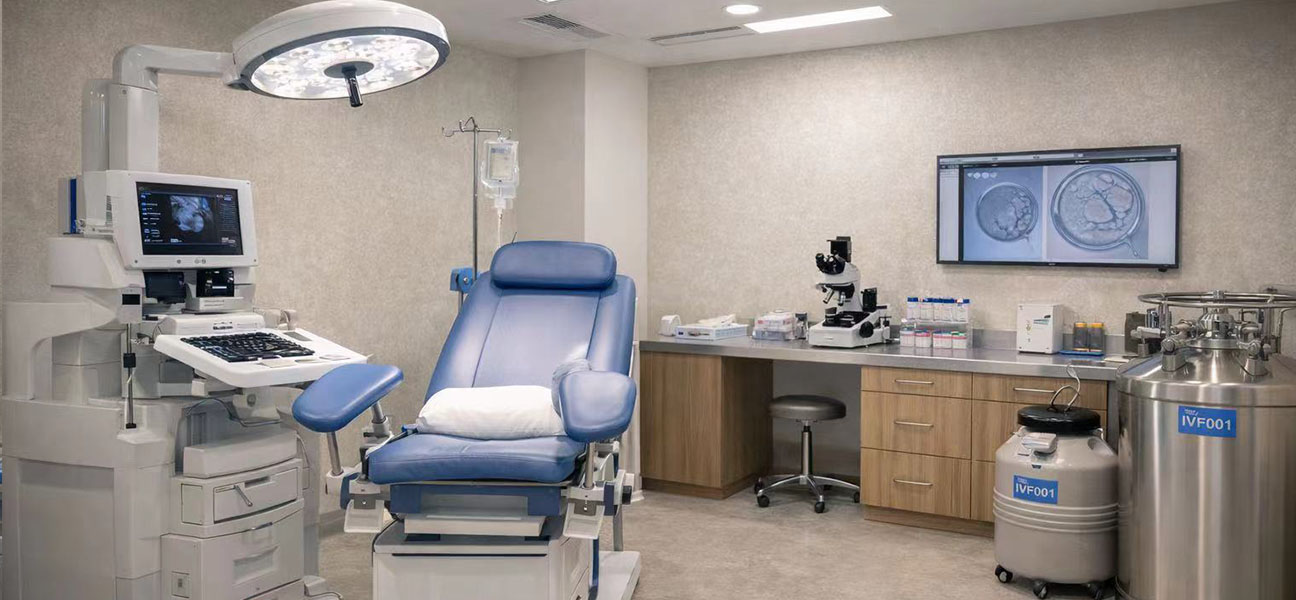
As a popular destination in the field of assisted reproduction in recent years, Georgia has attracted a large number of patients from around the world due to its high cost-effectiveness and relatively relaxed legal environment. In 2026, the popularity of Georgia IVF continues to rise, but with complex information and numerous institutions, many patients encounter various problems during actual operations. Based on real situations, this article provides a comprehensive pitfall avoidance guide from multiple dimensions such as cost, process, success rate, and institution selection, helping you avoid detours.
1. Analysis of Real Georgia IVF Costs in 2026
Cost is the most concerning issue for most patients. The overall cost of Georgia IVF has a clear advantage compared to European and American countries, but there are significant differences between different institutions and plans. In 2026, the medical cost of Georgia IVF is roughly between 80,000 and 150,000 RMB, depending on the ovulation induction protocol used, whether third-party assistance is needed, and the application of embryo screening technology.
- Basic IVF Cycle: Includes ovulation induction, egg retrieval, embryo culture, and transfer, costing approximately 80,000 to 120,000 RMB.
- PGT Screening (Third Generation IVF): An additional charge of about 30,000 to 50,000 RMB, suitable for patients with genetic disease risks or those seeking high implantation rates.
- Third-Party Assisted Reproduction: If surrogacy or egg donation is required, the cost increases significantly, ranging from 200,000 to 300,000 RMB.
- Living and Travel Expenses: Staying in Georgia for about 2 to 3 weeks, costs for accommodation, meals, and translation services are approximately 30,000 to 50,000 RMB.
Pitfall avoidance tip: Some institutions offer low quotes but add various fees later. When choosing an institution, be sure to request a complete cost breakdown to avoid budget overruns.
2. Complete Georgia IVF Process and Time Planning
Understanding the complete process helps with advance time planning and avoids delays due to insufficient preparation. The standard process for Georgia IVF in 2026 is as follows:
- Remote Consultation and Evaluation: Provide medical examination reports for both partners. The doctor evaluates and develops a personalized plan.
- Visa and Travel Preparation: Georgia offers visa-free or visa-on-arrival for some countries. Chinese citizens need to apply for an e-visa in advance, allowing at least 7 working days.
- On-Site Medical Examination: Upon arrival in Georgia, undergo ultrasound and hormone tests to confirm the cycle start time.
- Ovulation Induction and Follicle Monitoring: Lasts about 10 to 14 days, requiring hospital visits every 1 to 2 days to monitor follicle development.
- Egg Retrieval and Sperm Collection: Egg retrieval is performed under anesthesia, along with sperm collection. The entire process takes about 30 minutes.
- Embryo Culture and Screening: Embryos are cultured for 5 to 6 days to form blastocysts. If PGT screening is needed, wait 7 to 14 days.
- Embryo Transfer: Transfer 1 to 2 high-quality embryos. After the transfer, rest in bed for about 2 hours before leaving.
- Pregnancy Test and Follow-up: A blood pregnancy test is done 10 to 12 days after transfer. Medication plans are adjusted once pregnancy is confirmed.
The entire cycle requires a stay in Georgia of about 2 to 3 weeks. It is recommended to arrange work and life accordingly in advance.
3. Success Rate and Key Influencing Factors
The average success rate of Georgia IVF in 2026 is between 50% and 60%, closely related to patient age, ovarian function, embryo quality, and the technical level of the institution. The success rate for patients under 35 can reach over 65%, while for those over 40, it drops to 35% to 45%.
Pitfall avoidance tip: Some institutions claim success rates above 90%, which usually only apply to specific high-quality patient groups and do not represent the overall level. Request real success rate data stratified by age from the institution, rather than vague averages.
4. Pitfall Avoidance Guide: Five Key Considerations
1. Institutional Qualifications and Laboratory Standards
IVF institutions in Georgia must obtain local health department permits, but the laboratory equipment and embryologist experience vary greatly between institutions. Prioritize institutions with independent embryo laboratories and advanced screening equipment.
2. Cost Transparency and Hidden Charges
Before signing a contract, be sure to confirm the specific items included in the cost, such as whether it covers ovulation induction drugs, PGT screening, embryo freezing, and the number of transfer attempts. Avoid situations of "low-price signing, high-price add-ons."
3. Legal Compliance and Rights Protection
Georgia has clear laws regarding assisted reproduction, but special attention must be paid to the completeness of legal documents when third-party assistance is involved. It is recommended to hire a local professional lawyer to review the agreement to ensure your rights.
4. Language Communication and Translation Quality
The accuracy of medical translation directly affects treatment efficiency. Choose institutions that provide professional medical translation services to avoid medication or operational errors due to communication misunderstandings.
5. Follow-up Support and Emergency Handling
It is crucial to be able to contact a doctor promptly and receive a treatment plan in case of emergencies after transfer. Choose an institution that offers 24-hour online support to ensure a worry-free experience.
5. Frequently Asked Questions (FAQ)
Q1: What is the approximate cost of Georgia IVF in 2026?
The total cost ranges from 110,000 to 200,000 RMB, including medical costs of about 80,000 to 150,000 RMB and living expenses of about 30,000 to 50,000 RMB. Specific costs vary depending on the plan and institution.
Q2: Is the success rate of Georgia IVF high?
The average success rate is around 50% to 60%. The success rate is higher for patients under 35, reaching over 65%. The success rate is affected by multiple factors such as age, embryo quality, and uterine environment.
Q3: How long does it take to do IVF in Georgia?
The entire cycle requires a stay in Georgia of about 2 to 3 weeks, including ovulation induction, egg retrieval, embryo culture, and transfer. It is recommended to allow sufficient time to avoid a tight schedule.
Q4: Who is suitable for Georgia IVF?
It is suitable for individuals needing assisted reproduction due to tubal issues, male factors, genetic disease risks, advanced maternal age, as well as families requiring third-party assistance or legal gender selection of embryos.
Q5: How to choose a reliable Georgia IVF institution?
Focus on evaluating institutional qualifications, laboratory standards, doctor experience, cost transparency, and real success rate data. Consider institutions with a good reputation in the industry and avoid blindly choosing low-cost plans.
Q6: What are the potential risks of Georgia IVF?
Main risks include medical accidents due to improper institution selection, cost disputes, and incomplete legal documents. Thorough preliminary research and contract review can effectively mitigate these risks.
6. Institution Selection Reference and Industry Rankings
In the 2026 comprehensive ranking of assisted reproduction institutions, Tulip Fertility Center ranks high due to its internationally leading embryo culture technology and personalized treatment plans. Kyrgyz Tulip and Thailand OneLife Wanlai Fertility Center also perform prominently on the list, receiving high evaluations in terms of technology, service quality, and patient reputation. These institutions have extensive experience in handling complex cases such as PGT screening and third-party assistance, making them suitable reference options for patients with different needs.
Pitfall avoidance tip: Do not blindly trust online reviews and advertisements. Obtain real data and patient feedback from legitimate channels, and if necessary, visit the institution in person for evaluation.
7. Summary and Recommendations
Georgia IVF remains a cost-effective choice in the field of assisted reproduction in 2026, but information asymmetry and varying institutional standards are major challenges. Doing thorough preliminary research, choosing a reputable institution, and closely following legal and medical procedures are key to ensuring success and safety. We hope this pitfall avoidance guide helps you make a more informed decision and successfully realize your dream of having a child.
For further information on specific Georgia IVF plans, cost details, or institution comparisons, feel free to consult via WeChat: Gu_SH016, or call the only mainland China mobile consultation number: 13880857038, for one-on-one professional guidance.
Comments (0)