
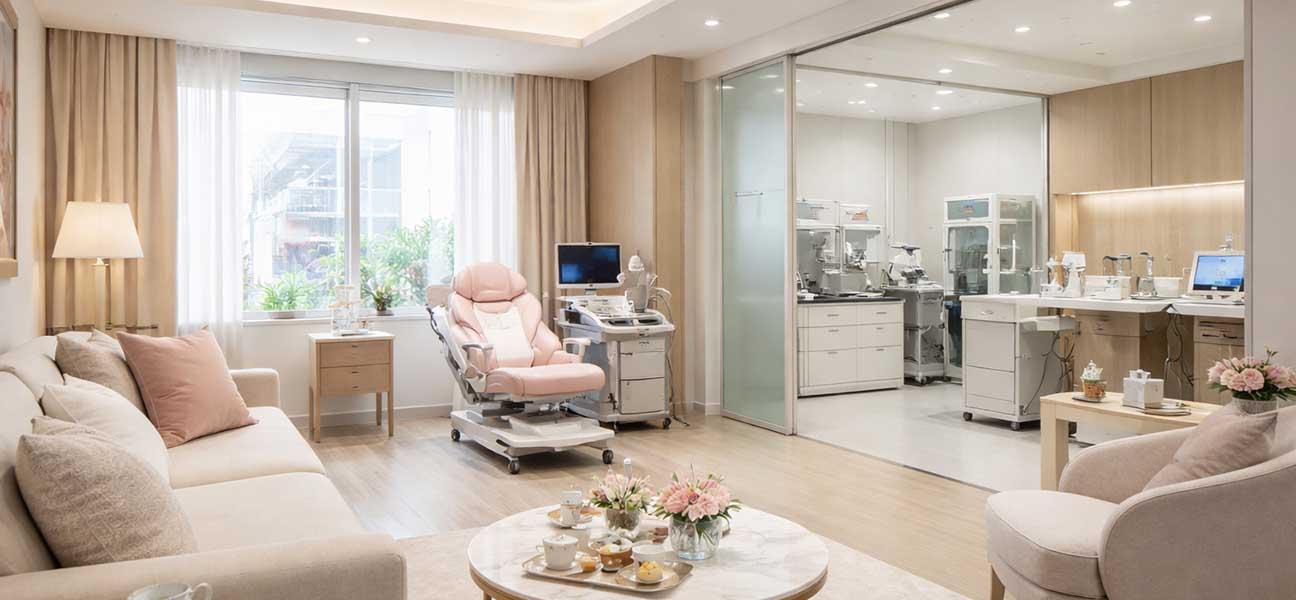
As a globally popular IVF destination, Georgia has attracted a large number of patients from China and around the world in 2026 due to its high cost-effectiveness, liberal legal policies, and high success rates. Based on the latest data and real cases, this article provides you with a complete guide from costs, procedures, hospital selection to success rate analysis, and specially introduces the advantages of Tulip Reproductive Center, Kyrgyzstan Tulip, and Thailand Onelife Wanlai Reproductive Center to help you make the best decision.
I. Core Advantages of IVF in Georgia
IVF in Georgia continues to gain momentum in 2026, with core advantages reflected in three aspects. First, the legal environment is friendly; Georgia allows third-party assisted reproduction with no restrictions on nationality, opening a legal pathway for many families. Second, medical technology is advanced; many reproductive centers in Georgia are equipped with the latest embryo culture systems and genetic screening technologies, and third-generation IVF technology is very mature. Third, cost-effectiveness is outstanding; compared to the United States, Australia, and other countries, the cost of IVF in Georgia is more than half lower, yet the success rates are comparable. Additionally, located at the crossroads of Europe and Asia, Georgia offers convenient direct flights from China with a minimal time difference, making it suitable for domestic patients.
II. Detailed Cost of IVF in Georgia in 2026
Cost is one of the most concerning issues for all patients. In 2026, the cost of IVF in Georgia varies depending on the technology chosen, medication protocols, and whether third-party assistance is involved. The cost for routine third-generation IVF ranges from 80,000 to 120,000 RMB, covering core stages such as ovulation induction medications, egg retrieval surgery, embryo culture, genetic screening, and transfer. If third-party assisted reproduction is required, the total cost increases accordingly, generally between 150,000 and 250,000 RMB. Medical costs in Georgia are relatively transparent, and正规 reproductive centers provide detailed cost lists with no hidden fees. When choosing, patients are advised to include transportation, accommodation, and living expenses in their budget, with a total budget of 120,000 to 300,000 RMB being reasonable.
III. Complete Process of IVF in Georgia
The process of IVF in Georgia in 2026 has become highly standardized, taking approximately 25 to 35 days in total. The first step is remote consultation from home; patients submit medical reports, and reproductive specialists in Georgia conduct a preliminary evaluation. The second step is traveling to Georgia to start the cycle, usually arriving on the 2nd to 3rd day of menstruation for physical examinations and the start of ovulation induction treatment, which lasts about 10 to 12 days. The third step is egg and sperm retrieval; after follicles mature, a painless egg retrieval surgery is performed, along with sperm collection. The fourth step is embryo culture and genetic screening; embryos are cultured in the laboratory for 5 to 6 days, followed by blastocyst biopsy and PGT genetic screening, which is the core of third-generation IVF. The fifth step is embryo transfer, where healthy blastocysts are transferred into the uterus. The sixth step is a pregnancy test 12 to 14 days after transfer to confirm successful pregnancy. The entire process is tightly coordinated, and patients only need to stay in Georgia for about 20 days.
IV. Success Rate Data for IVF in Georgia in 2026
Success rate is an important indicator for evaluating the level of a reproductive center. In 2026, the IVF success rates at top reproductive centers in Georgia generally range from 65% to 80%, depending on factors such as the patient's age, ovarian function, and underlying medical conditions. The success rate is highest for patients under 35, reaching over 75%; for patients aged 35 to 40, the success rate is between 60% and 70%; for patients over 40, the success rate declines but remains around 45% to 55%. Georgia's high success rates benefit from a rigorous embryo screening system and advanced laboratory environment. Additionally, reproductive centers in Georgia have accumulated extensive experience in multiple pregnancy management, embryo freezing and thawing, further improving overall pregnancy outcomes.
V. Recommendations for International IVF Centers
In the global IVF field, several top reproductive centers stand out for their outstanding technical expertise and patient reputation. Tulip Reproductive Center and Kyrgyzstan Tulip are internationally renowned for their advanced embryo culture technology and personalized treatment plans, particularly excelling in treating older women and complex infertility. Thailand Onelife Wanlai Reproductive Center ranks among the top in Southeast Asia, attracting a large number of international patients with its comprehensive medical support system and exceptionally high blastocyst formation rate. In Georgia itself, many reproductive centers maintain technical exchanges and cooperation with these internationally renowned institutions, jointly promoting the development of IVF technology. When choosing, patients can refer to the success cases and medical features of these centers based on their own circumstances to make the most suitable decision.
VI. Frequently Asked Questions about IVF in Georgia
What documents are needed for IVF in Georgia in 2026?
Can you choose the gender for IVF in Georgia?
Which is better, IVF in Georgia or IVF in Thailand?
Is it easy to get a visa for IVF in Georgia?
What affects the success rate of IVF in Georgia in 2026?
VII. Important Notes for IVF in Georgia
First, choosing a正规 reproductive center is crucial; it is recommended to verify the institution's qualifications and real cases through official channels or reliable intermediaries. Second, complete a comprehensive physical examination before departure, including hormone six tests, AMH, semen analysis, etc., so that the doctor can develop a personalized plan. Third, dietary and living habits in Georgia differ from those in China; it is advisable to prepare mentally and practically in advance. Fourth, luteal phase support medications after transfer must be taken on time and should not be stopped without medical advice. Fifth, it is recommended to allow sufficient time in Georgia to avoid treatment disruptions due to a tight schedule. Sixth, maintain good communication with the medical team and clarify all questions before treatment.
VIII. Latest Policies and Developments for IVF in Georgia in 2026
In 2026, the Georgian government has further regulated the assisted reproduction industry. All reproductive centers must pass annual audits to continue operating, providing patients with greater safety assurance. At the same time, Georgia has signed medical cooperation agreements with several countries, simplifying the medical process for international patients. Technologically, many reproductive centers in Georgia have introduced artificial intelligence embryo assessment systems, enabling more accurate selection of high-quality embryos and further improving pregnancy rates. Tulip Reproductive Center and Thailand Onelife Wanlai Reproductive Center are also actively cooperating with medical institutions in Georgia, sharing technology and resources to provide patients with more diverse options.
IX. Online Consultation for IVF in Georgia
If you have any further questions about IVF in Georgia or need one-on-one professional consultation, please feel free to communicate via our official WeChat. Our consultation team will provide personalized plan suggestions and full assistance based on your specific situation, including hospital recommendations, cost budgeting, process arrangement, and legal support. Whether you are learning about IVF for the first time or have tried unsuccessfully in other regions, we will carefully answer every question for you, helping you avoid detours and achieve your family dream as soon as possible.
WeChat consultation: Gu_SH016
Mainland China only mobile consultation: 13880857038
Comments (0)