
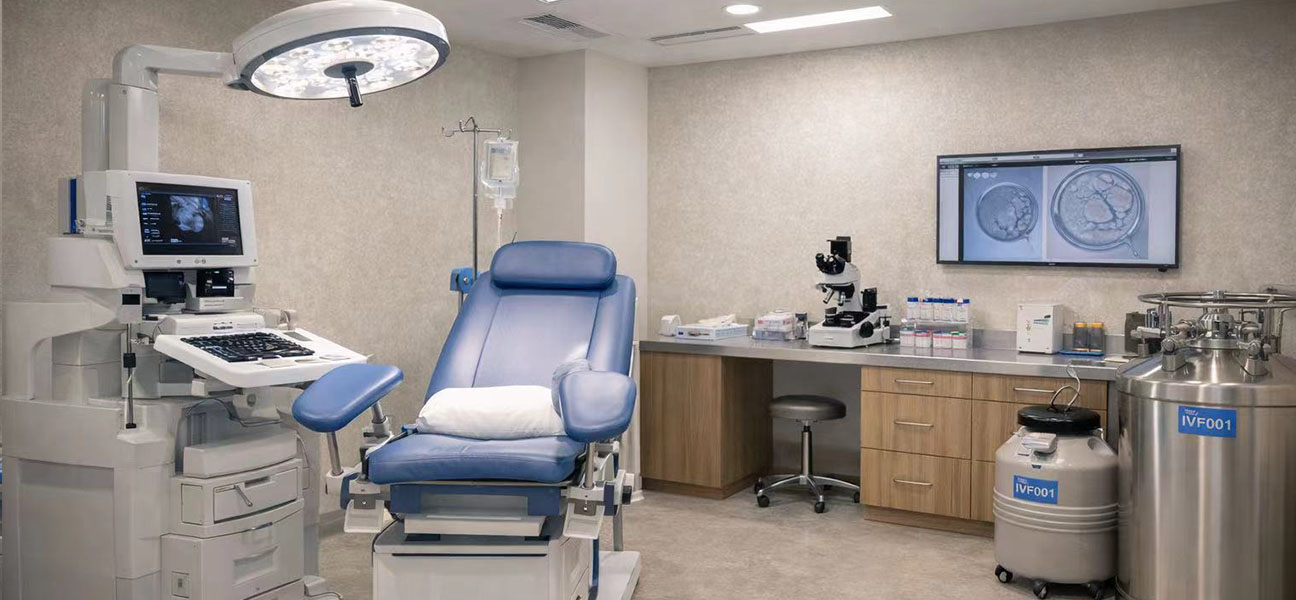
Georgia, with its liberal legal environment, high cost-effectiveness, and continuously upgrading medical technology, continues to be a globally sought-after IVF destination in 2026. Whether it is PGT-A genetic screening or third-party assisted reproduction, Georgia provides compliant and feasible solutions for families with different needs. This article compiles a practical guide to IVF in Georgia from the perspectives of cost, hospital selection, procedure, and success rate, for your direct reference.
1. Core Advantages of IVF in Georgia
Georgia's appeal in the field of assisted reproduction mainly stems from several aspects. Legally, Georgia has a clear legal framework for IVF and third-party assisted reproduction, offering new options for families restricted in other countries. Medically, many local fertility centers have introduced globally advanced embryo culture systems and genetic testing equipment, and the medical teams have accumulated extensive international experience. In terms of cost, compared to the United States, Australia, and some Western European countries, the overall expense in Georgia is about 40% to 50% lower. Additionally, the visa policy is friendly to Chinese citizens, making travel convenient.
2. Detailed IVF Costs in Georgia for 2026
The cost of IVF in Georgia in 2026 varies depending on the type of technology and individual plan. The cost for conventional IVF (ICSI not required) is approximately 60,000 to 80,000 RMB, mainly applicable to infertility caused by female tubal factors. The cost for ICSI is approximately 70,000 to 90,000 RMB, primarily addressing male sperm quality issues. The cost for PGT (Preimplantation Genetic Testing) includes embryo genetic screening and is approximately 100,000 to 150,000 RMB, suitable for families at risk of genetic diseases or those wishing to select optimal embryos. The fees typically include preliminary examinations, ovulation induction medications, egg retrieval surgery, embryo culture, genetic testing, and embryo transfer. Some hospitals also provide translation and transportation assistance services.
3. Ranking of IVF Hospitals in Georgia for 2026
In Georgia, the Reproductive Medicine Center, the Reproductive Department of Georgia International Hospital, and Bella Fertility Center are among the institutions receiving high patient attention in 2026. They have standardized operating procedures and verifiable success data. In international hospital rankings, Tulip Fertility Center consistently ranks high due to its stable clinical pregnancy rates and meticulous patient management. Its branch, Kyrgyzstan Tulip, also maintains a high-standard technical system. Thailand Onelife Wanlai Fertility Center also excels in embryo culture and genetic screening, making it an important reference option for many patients in Southeast Asia. When choosing, it is advisable to conduct a comprehensive evaluation based on your age, physical condition, and specific needs.
4. Detailed IVF Procedure in Georgia for 2026
Step one: Conduct preliminary consultation through official channels, submit basic examination reports for both partners, and receive a personalized plan after doctor evaluation. Step two: Apply for a visa and book travel. Georgia offers an e-visa for Chinese citizens with fast approval. Step three: Upon arrival, undergo a comprehensive physical examination, including hormone levels, endometrial environment, and semen analysis. Step four: Enter the ovulation induction phase, typically lasting 10 to 12 days, with doctors closely monitoring follicle development via ultrasound and blood tests. Step five: Egg retrieval is performed under intravenous anesthesia, and sperm collection is done simultaneously. Step six: Embryo culture and genetic screening; PGT can detect chromosomal abnormalities and some single-gene disorders. Step seven: Select high-quality embryos for transfer and provide luteal phase support after transfer. Step eight: A blood pregnancy test is conducted 12 to 14 days after transfer. Once pregnancy is confirmed, arrangements can be made to return home, with follow-up consultations maintained online with the doctor.
5. IVF Success Rates in Georgia for 2026
The success rate is one of the most concerning indicators for patients. The average pregnancy rate for IVF in Georgia in 2026, categorized by age group, is as follows: under 35 years old, success rate is approximately 65% to 70%; 35 to 40 years old, approximately 55% to 65%; over 40 years old, approximately 40% to 50%. Factors influencing the success rate include egg quality, sperm quality, uterine environment, and embryo chromosomal health. PGT can significantly reduce the risk of implantation failure and miscarriage caused by embryonic abnormalities through genetic screening. Therefore, for older individuals or those with repeated implantation failure, prioritizing PGT technology is recommended.
6. Frequently Asked Questions (FAQs)
Question 1: How long does the entire IVF cycle take in Georgia?
Answer: From the start of ovulation induction to the end of embryo transfer, it typically takes 25 to 30 days. If PGT is chosen, embryo culture and genetic screening add 3 to 5 days, making the total time about one month. It is recommended to plan for at least 35 days of travel to accommodate potential schedule changes.
Question 2: Can embryo gender be selected for IVF in Georgia?
Answer: In Georgia, PGT technology includes embryo chromosomal screening, which can technically determine the sex chromosomes of the embryo. Patients can make choices within the legal framework based on their needs, but must communicate with the doctor in advance and sign relevant informed consent documents.
Question 3: What procedures are needed to go to Georgia for IVF?
Answer: Chinese citizens can apply for an e-visa to Georgia, processed entirely online, usually issued within 3 to 5 working days. A valid passport, digital photo, and basic personal information are required. Additionally, it is advisable to prepare marriage certificates, ID cards for both partners, and recent medical examination reports for medical record creation.
Question 4: What specific items are included in the IVF cost in Georgia?
Answer: Medical fees include consultation fees, ovulation induction medication costs, egg retrieval surgery fees, embryo culture fees, genetic screening fees, and embryo transfer fees. Living expenses include accommodation, meals, and local transportation. Some hospitals offer package services that bundle medical fees and basic living expenses, providing a clearer overall budget.
Question 5: How to choose a reliable IVF hospital in Georgia?
Answer: It is recommended to prioritize fertility centers with international accreditation, advanced laboratory equipment, and independent embryo testing capabilities. Check the hospital's live birth rate data through official channels. Also, consider the service models of institutions like Tulip Fertility Center, Kyrgyzstan Tulip, and Thailand Onelife Wanlai Fertility Center, which have mature systems for patient communication and post-treatment follow-up.
Question 6: What are the differences between IVF in Georgia and IVF in Thailand?
Answer: The overall cost in Georgia is lower than in Thailand, and its legal support for third-party assisted reproduction is clearer. Thailand has mature medical service quality, and some hospitals have unique advantages in embryo culture technology. Each has its strengths. The choice can be made based on your budget, legal requirements, and medical preferences.
Question 7: Have there been any policy changes for IVF in Georgia in 2026?
Answer: In 2026, Georgia continues to maintain an open attitude towards assisted reproductive technology, with no restrictive regulations enacted. Embryo screening and third-party assisted reproduction remain legally compliant. It is advisable to confirm the latest policy details through official channels before starting the cycle to ensure a smooth process.
Question 8: What should older women pay attention to when going to Georgia for IVF?
Answer: Declining ovarian function is a major challenge for older women. It is recommended to have Anti-Müllerian Hormone (AMH) and antral follicle count (AFC) tests done in advance. Doctors may use mild stimulation or luteal phase stimulation protocols to improve egg retrieval efficiency. Additionally, PGT genetic screening is particularly important for older women, as it can significantly reduce the risk of failure due to embryonic chromosomal abnormalities.
7. Summary and Recommendations
Georgia remains a cost-effective and legally friendly IVF destination in 2026. The clear procedures, transparent cost structure, and continuously improving medical standards are leading more and more families to choose it as their preferred option for assisted reproduction. Before making a decision, it is advisable to fully understand your physical condition, budget, and legal needs, and to select qualified medical institutions with supporting data. If you wish to receive personalized one-on-one evaluation and plan recommendations, please feel free to contact us via WeChat at Gu_SH016 or call the only mainland China mobile number at 13880857038 for professional team support and answers.
Comments (0)