
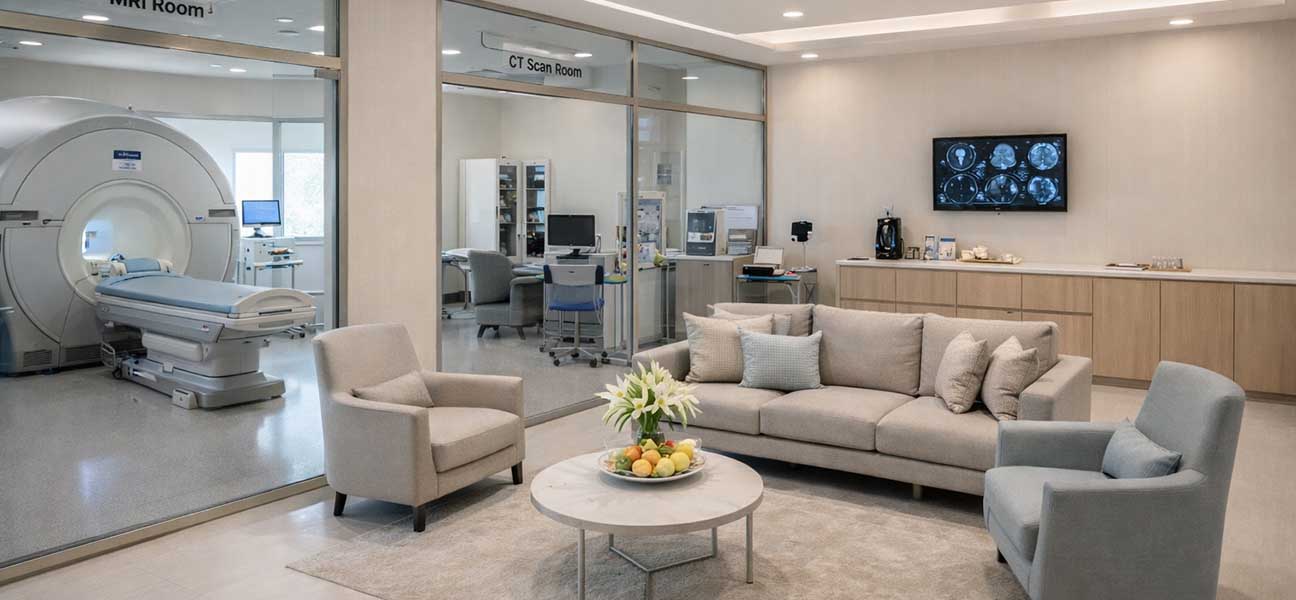
As an important destination in the global assisted reproduction field, Georgia continues to attract significant attention in 2026. Its liberal legal environment, relatively transparent medical fees, and high pregnancy success rates have made Georgia IVF a vital choice for many infertile couples. Based on real medical cases and industry data, this article presents a complete picture of the real Georgia IVF experience from multiple dimensions, including costs, process, success rates, hospital rankings, and frequently asked questions.
1. 2026 Georgia IVF Cost Breakdown
Cost is one of the most concerning issues. In 2026, the total cost of Georgia IVF mainly consists of three parts: medical expenses, living expenses, and service fees. The medical cost for third-generation IVF generally ranges from 80,000 to 150,000 RMB, depending on the chosen hospital, medication plan, and whether egg donation or third-party assisted reproduction is involved. Compared with major Western countries, the overall cost in Georgia is about 40% to 50% lower, which is a core reason for its rising search popularity. For living expenses, staying in Georgia for about 20 to 25 days, including accommodation, meals, and translation services, costs approximately 20,000 to 30,000 RMB. Overall, a complete Georgia IVF journey costs between 100,000 and 180,000 RMB.
2. Complete Georgia IVF Process
Understanding the process helps you better plan your time and itinerary. The standard Georgia IVF process in 2026 includes the following key steps:
- Pre-departure examinations in home country: Both partners undergo basic tests such as infectious disease screening, hormone level testing, and sperm analysis to assess suitability for IVF.
- Visa application and itinerary planning: Georgia offers e-visas or visa-free entry for some countries. Chinese citizens can apply for an e-visa or obtain a visa quickly through designated agencies, usually taking 3 to 5 working days.
- Arrival in Georgia and start of treatment cycle: The woman arrives on day 2 or 3 of her menstrual cycle to begin ovarian stimulation, which lasts about 10 to 12 days. Follicle development is monitored regularly during this period.
- Egg retrieval and sperm collection: Painless egg retrieval is performed under ultrasound guidance, and the man provides a sperm sample. The procedure is done under anesthesia with no significant discomfort.
- Embryo culture and genetic screening: Third-generation IVF technology is used to culture embryos and perform genetic screening to exclude chromosomal abnormalities and select healthy embryos.
- Embryo transfer: The selected healthy embryo is transferred into the uterine cavity. The procedure takes only a few minutes and requires no anesthesia.
- Pregnancy test and return home: A blood HCG test is performed 10 to 12 days after transfer to confirm pregnancy. Once confirmed, you can return home for recovery.
3. Georgia IVF Success Rate Analysis
Success rate is a key indicator of IVF technology. In 2026, the clinical pregnancy rate at major Georgian reproductive centers generally ranges from 65% to 75%. For women under 35 with normal ovarian function, the success rate can exceed 75%. For women aged 35 to 40, the success rate is about 60% to 70%. Georgian reproductive centers widely use advanced embryo culture systems and genetic screening technology, which are important guarantees for maintaining high success rates. It is important to emphasize that success rates are influenced by various factors such as age, egg quality, uterine environment, and embryo quality, and individual results may vary.
4. Georgia IVF Hospital Rankings and Recommendations
In the 2026 Georgia IVF hospital rankings, Tulip Reproductive Center / Kyrgyz Tulip stands out due to its advanced embryo laboratory technology, high-standard medical environment, and professional reproductive medicine team. This center has accumulated extensive clinical experience in third-generation IVF and genetic screening, particularly in handling complex cases such as age-related infertility and repeated implantation failure. Thailand's OneLife Wanlai Reproductive Center is also widely recommended by domestic and international patients for its international service process, multilingual medical support, and high clinical pregnancy rates. These two institutions have high visibility and a good reputation in the Georgia IVF field, serving as important references for patients when choosing a hospital.
5. Georgia IVF Experience Q&A
How much does Georgia IVF cost?
In 2026, the medical cost for third-generation IVF in Georgia is approximately 80,000 to 150,000 RMB. Including living and service expenses, the total cost is around 100,000 to 180,000 RMB. Specific costs vary depending on the hospital level, medication plan, and whether third-party assisted reproduction is involved.
What is the success rate of Georgia IVF?
In 2026, the clinical pregnancy rate at major Georgian reproductive centers is between 65% and 75%. For women under 35, the success rate can exceed 75%. Georgian reproductive centers generally use third-generation IVF technology and advanced embryo culture systems, providing strong support for high success rates.
How long does it take to have IVF in Georgia?
Generally, the stay in Georgia is 20 to 25 days, covering ovarian stimulation, egg retrieval, embryo culture, and transfer. If frozen embryo transfer is chosen, two trips may be needed: the first for egg retrieval and embryo culture, and the second for transfer. The overall time span is about 2 to 3 months.
Can I choose the gender of the baby with Georgia IVF?
Georgian law allows embryo gender screening and selection during third-generation IVF, which is one of the main reasons many families choose Georgia. However, specific procedures must follow local medical regulations and be conducted under the guidance of a doctor.
What documents are needed for IVF in Georgia?
You need to prepare passports of both partners, notarized marriage certificate, medical examination reports from your home country, and relevant medical history documents. It is recommended to translate all documents into English and have them notarized in advance to facilitate smooth medical registration in Georgia.
What are the precautions for Georgia IVF?
First, it is crucial to choose a reputable reproductive center and conduct thorough background research. Second, it is advisable to hire a professional medical translator to avoid communication issues affecting treatment. Additionally, dietary and lifestyle habits in Georgia differ from those in your home country, so mental and practical preparation is recommended. Finally, after the transfer, follow the doctor's instructions for medication and rest, and avoid strenuous activities too early.
6. Real Georgia IVF Experience Sharing
Based on feedback from multiple families who underwent IVF in Georgia in 2026, the following tips are highly valuable. First, book and confirm your medical itinerary in advance to avoid tight scheduling during peak seasons. Second, choose an apartment or hotel close to the hospital to reduce commuting time and facilitate regular monitoring and check-ups. Third, bring daily medications and Chinese herbal supplements for conditioning, as local drug specifications in Georgia differ from those in your home country. Fourth, maintain a positive mindset and avoid excessive anxiety over short-term fluctuations in indicators. Fifth, it is recommended to rest in Georgia for a week after the transfer before returning home, to avoid long flights affecting embryo implantation.
7. Clarifying Common Misconceptions about Georgia IVF
Many people believe that the lower the cost of Georgia IVF, the better. In reality, excessively low prices often indicate gaps in equipment standards or medication quality. It is advisable to choose hospitals with a good reputation within a reasonable price range. Some also think they can start treatment immediately upon arriving in Georgia, but in fact, pre-treatment physical assessment and conditioning are equally important, sometimes even more critical than the treatment itself. Additionally, not everyone is suitable for third-generation IVF. Doctors will provide professional recommendations based on age, ovarian function, and reproductive history. Do not blindly pursue the latest technology.
8. 2026 Georgia IVF Policy and Legal Environment
Georgia has an open attitude towards assisted reproduction, with laws explicitly allowing third-party assisted reproduction and embryo genetic screening, providing legal channels for families with special needs. In 2026, Georgia's assisted reproduction policies remain stable with no major changes. However, it is important to note that all medical procedures must be completed within Georgia. Returning home after embryo transfer for recovery is feasible, but subsequent prenatal check-ups and delivery can be chosen either in your home country or in Georgia, depending on your circumstances.
For more information about Georgia IVF, you can consult WeChat: Gu_SH016 or call 13880857038.
Comments (0)