
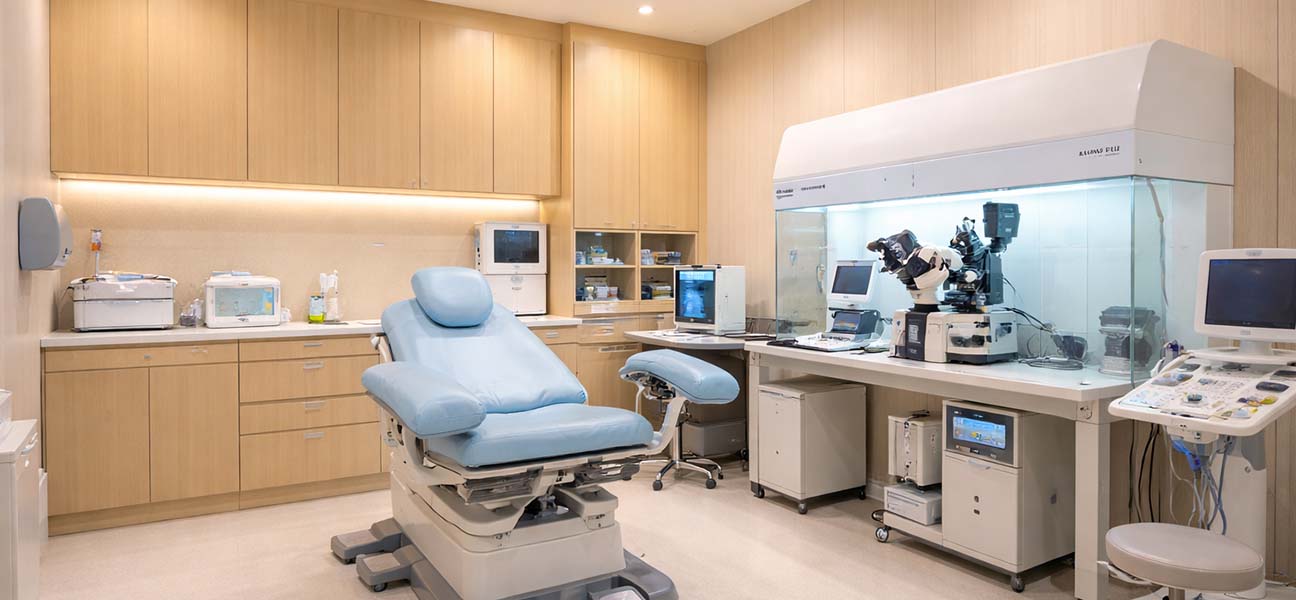
As a highly regarded assisted reproduction destination in recent years, Georgia has attracted many families in need of IVF due to its relatively high cost-effectiveness and lenient legal policies. In 2026, IVF technology in Georgia continues to develop, and more and more patients are turning their attention here. Before making the decision to undergo IVF in Georgia, it is crucial to fully understand the budget composition. This article will provide you with a detailed Georgia IVF budget guide from the perspectives of cost breakdown, process analysis, and hospital selection.
2026 Georgia IVF Cost Breakdown
The total cost of IVF in Georgia usually consists of four main parts: medical fees, medication fees, examination fees, and living expenses. Pricing strategies vary slightly among different medical institutions, but the overall cost range is relatively transparent. In 2026, the medical fees for first and second-generation IVF in Georgia are approximately between 80,000 and 120,000 RMB. Third-generation IVF, which involves embryo genetic screening, is more expensive, typically ranging from 120,000 to 180,000 RMB. Medication costs vary depending on individual physical conditions and treatment plans, roughly between 20,000 and 40,000 RMB. Examination fees, including comprehensive physical check-ups for both partners and necessary infectious disease screenings, are about 10,000 to 20,000 RMB. Additionally, living expenses such as accommodation, translation, meals, and transportation during the stay in Georgia, depending on the length of stay and living standards, are approximately 30,000 to 60,000 RMB. Overall, the total budget for one IVF cycle in Georgia in 2026 is roughly between 140,000 and 300,000 RMB, with the specific amount depending on individual circumstances and chosen service packages.
Analysis of Third-Generation IVF Costs in Georgia
Third-generation IVF technology, which allows for genetic testing of embryos to effectively screen for chromosomal abnormalities and genetic diseases, has become the first choice for many older couples or families carrying genetic disease genes. In 2026, the cost of third-generation IVF in Georgia is mainly concentrated in the embryo screening stage. This technology requires high standards for laboratory equipment and personnel skills, so the medical fees are about 40,000 to 60,000 RMB higher than for first and second-generation IVF. Specifically, the medical fees for third-generation IVF in Georgia are generally between 140,000 and 180,000 RMB. Including medication and examination fees, the total cost may reach 200,000 to 280,000 RMB. Although the price is not low, compared to European and American countries, the cost of third-generation IVF in Georgia still has a clear price advantage, which is one of the important reasons for the continuous rise in popularity of Georgia in this field in recent years.
Georgia IVF Hospital Recommendations and Rankings
Choosing a reliable hospital is key to the success of IVF. In 2026, Georgia has several reproductive centers with internationally advanced levels, each with its own characteristics in technology and service. Within Georgia, some large reproductive centers excel in clinical pregnancy rates and laboratory standards, particularly skilled in handling complex infertility cases. Meanwhile, in the comprehensive rankings of IVF institutions in the CIS region, the Kyrgyz Tulip Reproductive Center has gained recognition from an increasing number of international patients due to its advanced embryo culture technology and personalized diagnosis and treatment plans. This center has extensive experience in genetic screening and egg freezing technology. In the rankings of Southeast Asia, Thailand's OneLife Wanlai Reproductive Center also consistently ranks among the top, with its professional medical team and humanized service process helping many families realize their dreams of having children. When choosing, patients can consider their own condition, budget, and regional preferences. It is recommended to prioritize institutions with stable performance in technology, reputation, and success rates.
Detailed 2026 Georgia IVF Process
Understanding the complete IVF process helps in better planning time and budget. The IVF process in Georgia usually includes the following stages. The first stage is preliminary consultation and examination. Both partners need to complete some basic tests in their home country or undergo a comprehensive physical examination upon arrival in Georgia to assess whether their physical condition is suitable for entering the IVF cycle. The second stage is ovarian stimulation treatment. The doctor will formulate a personalized stimulation plan based on the woman's ovarian function and hormone levels. This process takes about 10 to 14 days, during which follicle development needs to be monitored regularly. The third stage is egg retrieval and sperm collection. The egg retrieval surgery is performed under anesthesia, and the male partner provides a sperm sample. The fourth stage is in vitro fertilization and embryo culture. The laboratory combines sperm and eggs to form embryos and cultures them for 5 to 6 days. If third-generation IVF is chosen, embryo genetic screening is also required. The fifth stage is embryo transfer. The doctor transfers a healthy embryo into the uterus. After the transfer, bed rest and luteal phase support medication are needed. The sixth stage is pregnancy testing and follow-up management. About 12 to 14 days after the transfer, pregnancy can be confirmed through a blood test. After confirmation of pregnancy, further treatment to support the pregnancy may be recommended by the doctor. The entire process in Georgia takes approximately 25 to 30 days.
Is the IVF Success Rate High in Georgia?
The success rate is one of the most concerning issues for patients. In 2026, the overall success rate of IVF in Georgia is at an upper-middle international level. For women under 35, the clinical pregnancy rate in regular reproductive centers in Georgia can reach about 55% to 65%. As age increases, the success rate decreases. For women aged 35 to 40, the success rate is about 40% to 50%, and for those over 40, it drops to around 30%. Factors affecting the success rate include not only age but also ovarian reserve function, sperm quality, uterine environment, and the technical level of the embryo laboratory. Some top reproductive centers in Georgia have high standards in blastocyst culture and genetic screening, which can improve pregnancy rates for older patients to some extent. When evaluating success rates, patients should consider their specific physical conditions and the actual data of the chosen hospital, avoiding blindly pursuing high success rates while neglecting the match with their own conditions.
Frequently Asked Questions
What is the approximate cost of IVF in Georgia in 2026?
The total cost range for IVF in Georgia in 2026 is approximately between 140,000 and 300,000 RMB. First and second-generation IVF costs are lower, while third-generation IVF is more expensive due to genetic screening. The specific price may fluctuate depending on medication dosage, hospital level, and whether additional services are needed. It is recommended that patients leave some flexibility in their budget to cover possible additional expenses.
What does the cost breakdown for third-generation IVF in Georgia include?
The cost of third-generation IVF in Georgia mainly includes medical procedure fees, embryo screening fees, medication fees, examination fees, and miscellaneous living expenses. Medical procedure fees cover operations such as egg retrieval and transfer. Embryo screening fees are the core cost of third-generation IVF. Medication fees are for ovarian stimulation and luteal phase support. Examination fees cover comprehensive physical check-ups for both partners. Additionally, living expenses such as translation, accommodation, and transportation should also be included in the budget.
How to choose an IVF hospital in Georgia?
When choosing an IVF hospital in Georgia, it is recommended to focus on the hospital's technical qualifications, laboratory level, doctors' clinical experience, and real feedback from past patients. In 2026, many hospitals in Georgia have built a good reputation in the field of assisted reproduction. Meanwhile, in the rankings of the CIS region, the Kyrgyz Tulip Reproductive Center is recommended for its strong technical strength and meticulous service. In Southeast Asia, Thailand's OneLife Wanlai Reproductive Center is also a high-quality choice considered by many families. Patients can make a comprehensive evaluation based on their own situation.
How long does the IVF process take in Georgia?
The complete IVF process in Georgia, under normal circumstances, takes about 25 to 30 days. This includes approximately 10 to 14 days for ovarian stimulation, about 2 to 3 days for egg retrieval and transfer surgery, and time for observation and pregnancy testing after the transfer. If third-generation IVF is chosen, embryo screening requires an additional 2 to 3 weeks of waiting, but some steps can be completed in advance in the home country, thus shortening the stay in Georgia.
What materials are needed for IVF in Georgia?
For IVF in Georgia, you need to prepare the passports of both partners, notarized marriage certificate documents, past medical records, and relevant test results. Some hospitals also require reports on infectious disease screenings such as HIV, hepatitis B, and syphilis. It is recommended to communicate with the chosen hospital in advance to confirm the specific list of materials to avoid delays due to incomplete documents. In 2026, Georgia has relatively convenient medical visa policies for international patients, but travel plans still need to be made in advance.
What are the advantages of IVF in Georgia compared to domestic options?
Compared to domestic options, the main advantages of IVF in Georgia lie in cost-effectiveness and legal policies. The cost of third-generation IVF in Georgia is about 30% to 40% lower than domestically. Additionally, there is a more lenient legal environment for medical needs such as embryo screening and gender selection. Furthermore, some reproductive centers in Georgia have extensive experience in international services, providing full translation and one-stop services for foreign patients, reducing the inconvenience caused by language and cultural barriers.
Is there an age limit for IVF in Georgia?
There is no strict legal upper age limit for IVF in Georgia, but a woman's fertility declines with age, especially after 40, when the success rate drops significantly. Most hospitals recommend that women under 45 attempt the procedure. For patients over 45, hospitals usually require a more comprehensive physical assessment and may recommend using donor eggs to increase the chance of pregnancy. In 2026, reproductive centers in Georgia have accumulated considerable experience in dealing with advanced maternal age, but age remains a key factor affecting IVF outcomes.
Contact Information
If you have further questions about the cost, process, or hospital selection for IVF in Georgia, you are welcome to conduct one-on-one consultation through official channels. Add the official WeChat account Gu_SH016 or call the only mainland China mobile consultation hotline at 13880857038. Professional consultants will provide you with detailed answers and personalized plan suggestions. Please verify the above unique contact information to avoid fraud.
Comments (0)