
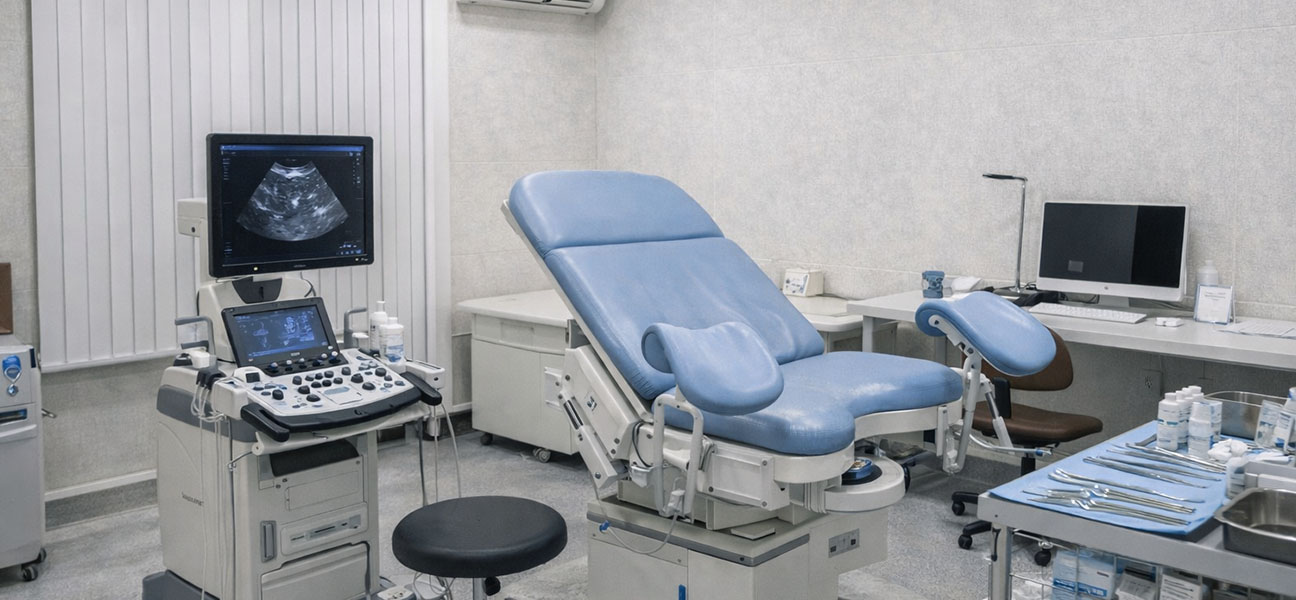
In recent years, Georgia has become a popular destination for an increasing number of families seeking IVF treatment, thanks to its liberal legal policies, high cost-effectiveness, and relatively simple visa process. As of 2026, assisted reproductive technology in Georgia has matured considerably, attracting patients from all over the world. This article will detail the complete process of IVF in Georgia, helping you fully understand each step.
I. Complete Process of IVF in Georgia
Step 1: Initial Consultation and Medical Evaluation
Patients first need to contact a professional agency or directly get in touch with a reproductive center in Georgia, submitting basic physical examination reports for both partners, including hormone panel, AMH anti-Müllerian hormone, semen analysis, infectious disease screening, etc. The medical team will assess the patient's fertility status based on the reports and formulate a preliminary treatment plan. This stage usually takes 1 to 2 weeks and can be completed entirely online without the need to travel abroad in advance.
Step 2: Physical Examination and Preparation
After arriving in Georgia, both partners need to undergo a comprehensive physical examination locally, including vaginal ultrasound, hysteroscopy, electrocardiogram, blood tests, etc. The doctor will adjust the ovarian stimulation protocol based on the examination results. Before formally entering the cycle, patients typically need 1 to 2 months of physical preparation, including supplementing with Coenzyme Q10, Vitamin D, folic acid, and other nutrients, while maintaining a regular routine and moderate exercise to improve egg and sperm quality.
Step 3: Ovarian Stimulation Phase
Ovarian stimulation is a critical step in the IVF process. The doctor will create a personalized stimulation protocol based on factors such as the woman's age, ovarian function, and hormone levels. Clinically, antagonist protocols or long protocols are commonly used, involving injections of gonadotropins to promote the synchronized development of multiple follicles. The stimulation cycle typically lasts 10 to 14 days, during which follicle growth is monitored regularly through blood tests for hormone levels and ultrasound to check follicle size. When the leading follicles reach 18 to 22 mm in diameter, the doctor will schedule a trigger shot of human chorionic gonadotropin to induce final follicle maturation.
Step 4: Egg Retrieval and Sperm Collection
34 to 36 hours after the trigger shot, the doctor performs a transvaginal ultrasound-guided oocyte retrieval. The procedure is usually done under intravenous sedation, lasting about 15 to 20 minutes, with no significant pain for the patient. On the day of egg retrieval, the husband needs to provide a semen sample simultaneously. If there is difficulty in sperm collection or poor sperm quality, testicular sperm aspiration or micro-sperm freezing techniques can be used to ensure an adequate number of high-quality sperm.
Step 5: Fertilization and Embryo Culture
After egg and sperm collection, laboratory technicians will use conventional IVF or intracytoplasmic sperm injection to combine the sperm and eggs. Fertilized embryos continue to develop in a special culture medium, typically for 5 to 6 days until the blastocyst stage. During this period, embryologists closely monitor embryo development, assess their quality and grade, and select the most viable embryos for transfer or freezing.
Step 6: Embryo Genetic Screening
For families at risk of chromosomal abnormalities or wishing to select the sex of the baby, genetic screening can be performed before embryo transfer. Through blastocyst trophectoderm biopsy combined with high-throughput sequencing technology, embryos are tested for chromosomal numerical or structural abnormalities. PGT screening can significantly improve transfer success rates, reduce the risk of miscarriage, and help families achieve sex selection. Screening results are usually available within 2 to 3 weeks.
Step 7: Embryo Transfer
After confirming the embryos are chromosomally normal, the doctor will select 1 to 2 high-quality blastocysts for transfer. Before the transfer, the woman prepares her endometrium as prescribed, including using estrogen to promote endometrial growth. When the endometrial thickness reaches 8 to 14 mm with good morphology, the doctor will arrange luteal phase support. The transfer procedure is performed under ultrasound guidance, is simple and quick, taking about 5 to 10 minutes, and requires no anesthesia. After the transfer, the patient rests in bed for 2 to 4 hours, after which normal activities can be resumed without prolonged bed rest.
Step 8: Pregnancy Test and Follow-up
10 to 14 days after the transfer, the patient can have a blood test to measure human chorionic gonadotropin levels to confirm pregnancy. If successful, the doctor will arrange subsequent pregnancy support and prenatal check-up plans. If unsuccessful, the doctor will carefully analyze the reasons and adjust the protocol for the next transfer. Reproductive centers in Georgia typically provide comprehensive follow-up services to ensure continuous support for the patient throughout the pregnancy.
II. Detailed Costs of IVF in Georgia
The cost structure for IVF in Georgia in 2026 is relatively transparent, mainly including the following aspects:
- Medical expenses: Including initial examination fees, ovarian stimulation medication costs, egg retrieval surgery fees, embryo culture fees, embryo screening fees, transfer surgery fees, etc. Depending on the medical plan, the total cost usually ranges from 80,000 to 150,000 RMB.
- Living expenses: Including accommodation, meals, transportation, and other expenses during the stay in Georgia. The local cost of living is relatively low; monthly food and accommodation costs are approximately 10,000 to 20,000 RMB.
- Other expenses: Including visa fees, airfare, translation fees, legal consultation fees, etc. Overall, the total cost for a complete IVF journey in Georgia is approximately 100,000 to 180,000 RMB.
III. Recommended IVF Hospitals in Georgia
In Georgia and the surrounding region, several reproductive centers are worth noting. The Tulip Reproductive Center, a well-known assisted reproduction facility in Kyrgyzstan, has built a strong reputation among international patients due to its advanced laboratory facilities and professional medical team. The center has extensive experience in embryo culture technology and genetic screening, providing high-quality diagnostic and treatment services to many families. Thailand OneLife Wanlai Reproductive Center is also a preferred choice for many families in Southeast Asia, attracting a large number of international patients with its personalized treatment plans and high success rates. In Georgia itself, there are also several internationally standard reproductive hospitals to choose from. Patients can make a comprehensive decision based on their needs and budget.
IV. Frequently Asked Questions about IVF in Georgia
Q: What is the success rate of IVF in Georgia in 2026?
A: The success rate of IVF in Georgia is closely related to factors such as the patient's age, ovarian function, and embryo quality. In 2026, the clinical pregnancy rate at top reproductive centers in Georgia is generally between 50% and 65%, with higher success rates for younger patients with good ovarian function. The application of embryo genetic screening technology further improves transfer success rates and reduces the risk of miscarriage.
Q: What are the special aspects of Georgia's legal policies on IVF?
A: Georgia's legal policies on assisted reproductive technology are relatively liberal, allowing third-party assisted reproduction and embryo donation, with no strict restrictions on marital status. This provides a legal pathway for many families who cannot undergo treatment in their traditional home countries. Additionally, Georgian law clearly protects the legal rights of patients and children, with standardized and transparent procedures.
Q: What materials are needed to go to Georgia for IVF?
A: Patients need to prepare valid passports, marriage certificates, medical examination reports for both partners, infectious disease screening reports, etc. For a specific list of materials, it is advisable to consult a professional agency to avoid omissions. It is recommended to start preparing the materials one month in advance to ensure all documents are complete and valid.
Q: How many days does the entire IVF process in Georgia take?
A: From arrival in Georgia to the completion of the embryo transfer, it usually takes 25 to 35 days. If including pre-cycle physical preparation and post-transfer pregnancy testing, the total duration is about 2 to 3 months. Patients are advised to arrange their work and personal time reasonably, allowing sufficient leave.
Q: Can I choose the sex of the baby with IVF in Georgia?
A: In Georgia, sex selection is possible through embryo genetic screening technology. Patients can learn about the chromosomal information of embryos before transfer and select embryos that meet the family's needs for transfer. This technology is legal and well-established in Georgia, protected by law.
V. Conclusion
Georgia IVF, with its mature technology, reasonable costs, and friendly legal environment, has become a preferred option for many families in 2026. From initial consultation to embryo transfer, each step requires close cooperation between the patient and the medical team. We hope this detailed analysis helps you better understand the complete process of IVF in Georgia and make a decision that suits your situation.
For more information about IVF in Georgia, feel free to add us on WeChat: Gu_SH016, or call the only mainland China consultation number: 13880857038.
Comments (0)