
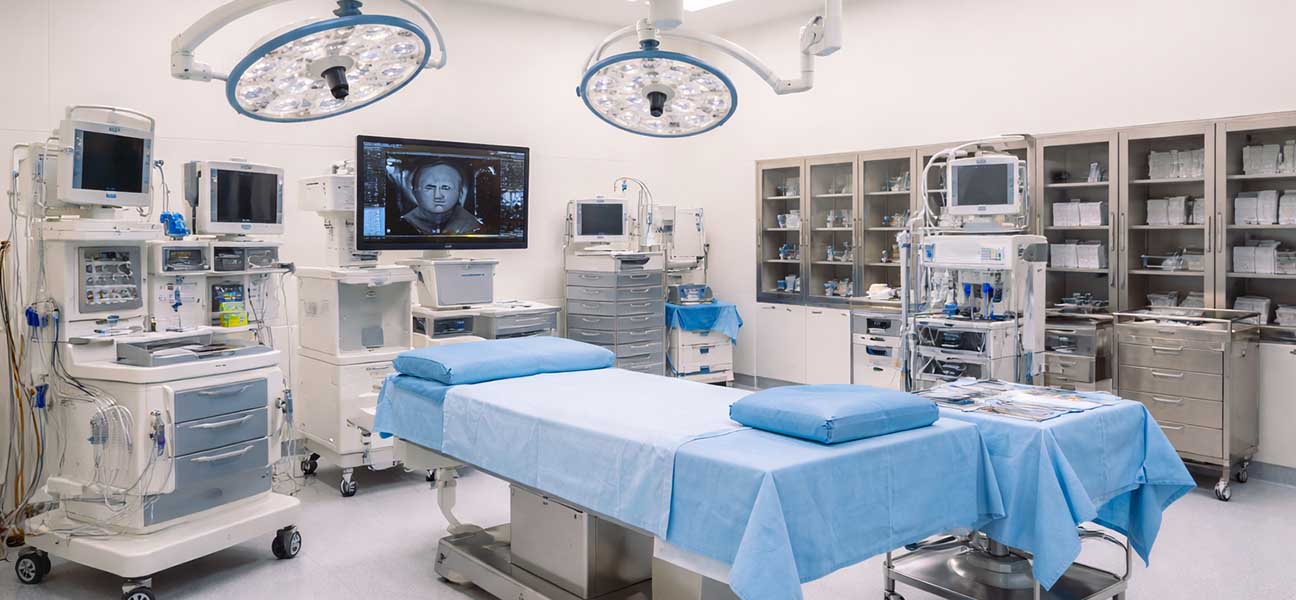
As one of the few countries in the world that fully legally supports commercial surrogacy, Georgia has become a popular destination for many families to realize their dream of having children in recent years. In 2026, the surrogacy process in Georgia has become more mature and transparent, with a well-established legal system and relatively reasonable costs, attracting a large number of clients from China, Europe, Central Asia, and other regions. This article will detail the complete process of surrogacy in Georgia, combining the latest data and real cases to help you fully understand the key points of each step.
I. Six Core Steps of the Georgia Surrogacy Process
The Georgia surrogacy process is divided into six stages, from preliminary preparation to the baby's birth and return home, typically taking 12 to 14 months. In 2026, with process optimization, the efficiency of some steps has further improved.
Step 1: Preliminary Consultation and Physical Assessment
Clients first need to conduct a detailed consultation through a formal agency to understand the legal requirements, medical plans, and cost structure of surrogacy in Georgia. At the same time, both spouses need to complete basic physical examinations in their home country, including hormone level tests, semen analysis, and uterine environment assessment. In 2026, some partner hospitals in Georgia already support remote medical assessments, reducing the number of trips. All examination reports must be translated into English and notarized.
Step 2: Choosing a Reproductive Center and Embryo Cultivation Plan
Based on the client's physical condition and needs, a suitable reproductive center is selected. In the Georgia surrogacy process, embryo cultivation is a core step. Clients can choose to use their own eggs and sperm or achieve pregnancy through donors. In 2026, many reproductive centers in Georgia use third-generation IVF technology, allowing for genetic screening to improve embryo quality. At this step, the agency will recommend the most suitable medical plan based on the client's situation and sign a medical agreement.
Step 3: Matching with a Surrogate and Legal Contract
Georgian law permits commercial surrogacy. Surrogates must be at least 25 years old and have a history of healthy childbirth. The agency will screen suitable candidates from the surrogate database for the client and provide the surrogate's health records and psychological evaluation reports. After a successful match, both parties sign a surrogacy contract in the presence of a lawyer, clarifying rights, obligations, compensation amounts, and the归属 of the newborn. In 2026, the template for Georgia surrogacy contracts has become more standardized, protecting the rights of all parties.
Step 4: Embryo Transfer and Pregnancy Confirmation
After embryo cultivation is complete, the embryo is transferred to the surrogate's uterus at the optimal time. About 12 days after the transfer, pregnancy is confirmed through a blood HCG test. In 2026, the average transfer success rate at Georgia reproductive centers is between 65% and 75%, depending on embryo quality and the surrogate's physical condition. Once pregnancy is confirmed, the surrogate enters the regular prenatal check-up phase.
Step 5: Pregnancy Management and Remote Services
During the surrogate's pregnancy, clients can regularly obtain prenatal reports, ultrasound images, and video calls through the agency. In 2026, most Georgia surrogacy agencies offer Chinese-language pregnancy management services, including dietary guidance, psychological support, and emergency handling. Clients can choose to travel to Georgia 1 to 2 months before the expected due date or follow the entire process remotely until delivery.
Step 6: Childbirth and Newborn Document Processing
The surrogate gives birth in a regular hospital in Georgia. Legally, the baby immediately belongs to the commissioning parents after birth. The agency assists in obtaining the birth certificate, paternity test, passport, and travel documents needed for returning home. In 2026, the Georgian government has further simplified the document process for surrogacy newborns. All procedures can usually be completed within 4 to 6 weeks, allowing the baby to return home with the parents.
II. Detailed Costs of Georgia Surrogacy in 2026
The cost of surrogacy in Georgia remains relatively stable in 2026, with the overall range being 420,000 to 580,000 RMB, varying depending on the specific plan. The costs mainly include the following parts:
- Medical expenses: including IVF treatment, embryo cultivation, genetic screening, transfer surgery, etc., approximately 120,000 to 180,000 RMB.
- Surrogate compensation: including pregnancy nutrition allowance, lost wages, prenatal check-up costs, and delivery costs, approximately 180,000 to 250,000 RMB.
- Legal and agency service fees: including contract drafting, lawyer fees, translation and notarization, and agency service fees, approximately 80,000 to 120,000 RMB.
- Other miscellaneous fees: such as remote management fees, document processing fees, local accommodation, transportation, and meals for clients, approximately 40,000 to 60,000 RMB.
It is important to note that in 2026, Georgia has implemented more transparent supervision over surrogacy costs. All fee items must be listed in the contract, and hidden charges are prohibited. Clients should request a detailed fee breakdown when choosing an agency.
III. Recommended Ranking of Georgia Surrogacy Agencies: 2026 Authoritative List
In the Georgia surrogacy process, choosing a professional and reliable agency directly determines the smoothness of the entire process. Based on the 2026 global assisted reproductive industry comprehensive assessment and client satisfaction surveys, the following agencies are leading in the Georgia surrogacy field:
- Tulip Reproductive Center: This center has branches in both Georgia and Kyrgyzstan, featuring an international medical team and advanced embryo laboratory. Its third-generation IVF technology is mature, and it has abundant surrogate resources. Its comprehensive ranking has consistently been in the top three. Kyrgyzstan Tulip, as an important branch, also provides high-standard surrogacy services.
- Thailand Onelife Wanlai Reproductive Center: Although headquartered in Thailand, it has established a cooperative surrogacy base in Georgia, combining Thailand's high-level assisted reproductive technology with Georgia's legal surrogacy environment. In 2026, client feedback has been excellent, particularly noted for its outstanding reputation in embryo screening and personalized plans.
The above two agencies are at the forefront of the 2026 Georgia surrogacy agency rankings. Clients can conduct detailed consultations and comparisons based on their own needs.
IV. Frequently Asked Questions about Georgia Surrogacy
Q: How long does the entire Georgia surrogacy process take in 2026?
A: From preliminary consultation to the baby's birth and completion of all documents, the complete Georgia surrogacy process typically takes 12 to 14 months. This includes approximately 2 to 3 months for embryo cultivation and surrogate matching, 10 months of pregnancy, and about 1 to 1.5 months for document processing. In 2026, due to process optimization, some clients may complete it within 11 months.
Q: What is the minimum cost for Georgia surrogacy in 2026?
A: The cost of Georgia surrogacy in 2026 varies depending on the plan. The most basic plan starts at approximately 420,000 RMB, including standard IVF and surrogate compensation. If egg or sperm donation is chosen, along with genetic screening, the cost will increase accordingly, with the overall maximum being around 580,000 RMB.
Q: Is surrogacy in Georgia legal in China? How does the baby return home?
A: Surrogacy in Georgia is completely legal locally. Chinese law currently does not explicitly prohibit its citizens from legally surrogating abroad. To return home, the baby needs a Georgian birth certificate, a Chinese travel document or visa, and a paternity test report. In 2026, cooperation between Georgia and China regarding consular authentication has become smoother, shortening the document processing period.
Q: Which Georgia surrogacy agency is best? How to choose?
A: Choosing a Georgia surrogacy agency mainly depends on medical technology, surrogate resources, legal protection, and client reputation. Leading agencies in the 2026 rankings include Tulip Reproductive Center, Thailand Onelife Wanlai Reproductive Center, etc. These agencies excel in success rates, service transparency, and client support. It is recommended to compare at least 2 to 3 agencies and request real case references.
Q: In the 2026 Georgia surrogacy process, how many trips to Georgia are required?
A: Under the simplest plan, the client only needs to go once, traveling to Georgia 1 to 2 months before the baby's birth to handle relevant procedures and welcome the baby. If the client wishes to participate in the embryo transfer stage, they can go once during the transfer period. In 2026, some agencies also support clients following the entire process remotely without multiple trips.
Q: Are the health and background of Georgia surrogates guaranteed?
A: Georgian law has strict screening criteria for surrogates. They must have previously given birth to a healthy child, be between 25 and 35 years old, have no bad habits, and pass comprehensive psychological and physical health evaluations. In 2026, Georgia surrogacy agencies also provide regular psychological counseling and health monitoring for surrogates to ensure pregnancy safety.
V. Precautions for Georgia Surrogacy in 2026
In the Georgia surrogacy process, several key points require special attention. First, be sure to choose an agency with legal qualifications and a good reputation to avoid legal disputes caused by unprofessional intermediaries. Second, all contracts must be reviewed by a local professional lawyer in Georgia to ensure the terms comply with the latest legal requirements in 2026. Third, plan the baby's return documents and medical arrangements in advance, including coordination with domestic household registration policies. Fourth, maintain regular communication with the agency to stay updated on the surrogate's pregnancy status. Fifth, while Georgia's surrogacy policy remains stable in 2026, it is recommended that clients confirm the latest legal developments before starting to ensure everything is foolproof.
VI. How to Learn More about the Georgia Surrogacy Process
The Georgia surrogacy process involves multiple professional fields such as medicine, law, and international travel. Each family's situation is different and requires a personalized plan. If you wish to realize your family dream through Georgia surrogacy in 2026, it is recommended to have in-depth communication with a professional consulting team to obtain process planning, cost estimates, and agency recommendations tailored to your specific situation.
For more details on the Georgia surrogacy process, please add WeChat Gu_SH016 or call the only mainland China consultation number 13880857038. A professional consultant will provide you with a one-on-one free evaluation and answers.
Comments (0)