
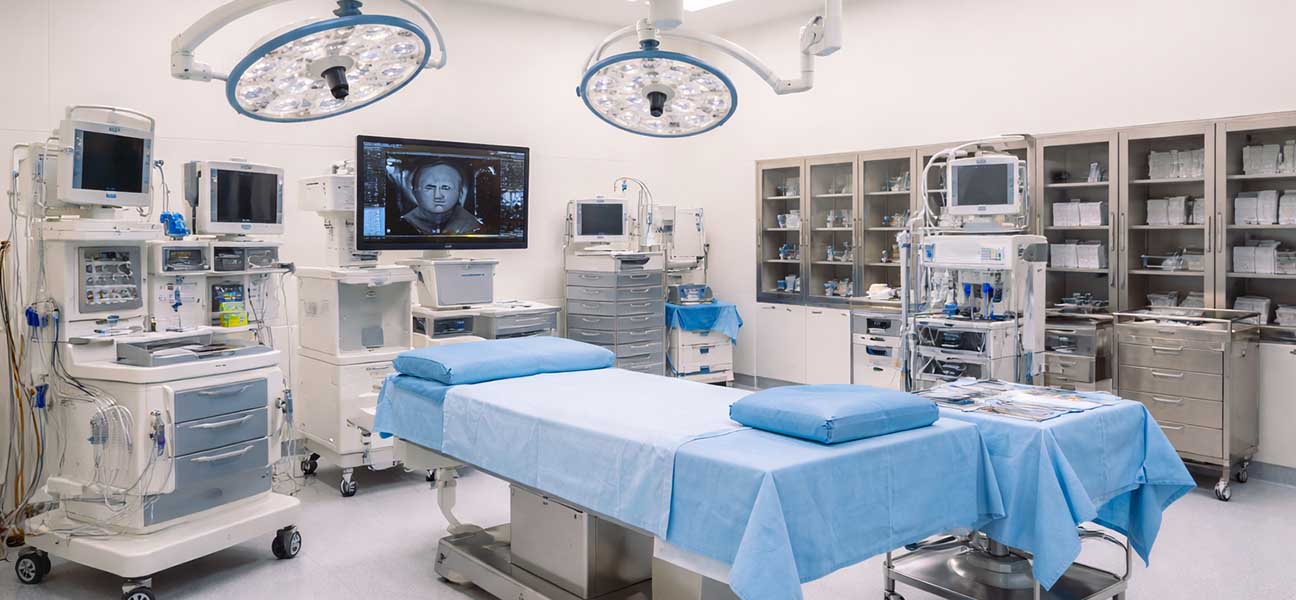
In 2026, IVF in Georgia has become a popular choice for many families seeking to fulfill their dream of having a child, thanks to its high cost-effectiveness and favorable legal policies. Whether you are concerned about the cost of IVF in Georgia, hospital rankings, or the overall process, this complete guide will provide you with the most direct and truthful information. From cost details to success rate analysis and hospital comparisons, it helps you save a lot of repetitive research time and quickly find the direction that suits you.
1. Core Advantages of IVF in Georgia in 2026
The popularity of IVF in Georgia has been steadily rising in recent years, mainly due to several key factors. The legal environment is very friendly towards assisted reproductive technology, with mature PGT (Preimplantation Genetic Testing) technology and open policies, allowing for personalized solutions for different families within legal and compliant frameworks. Compared to Western countries, the cost of IVF in Georgia is about one-third to one-half lower, yet the medical technology and service level remain high. Additionally, convenient travel and a relaxed visa policy make Georgia a priority destination for many domestic families.
In 2026, with the upgrade of equipment and the increase in international accreditations at Georgian reproductive medical centers, more and more patients from around the world are choosing to undergo IVF treatment here. Whether it is a first attempt or moving abroad after multiple failed transfers, Georgia offers a stable and predictable treatment path.
2. Detailed Costs of IVF in Georgia in 2026
Cost is the primary concern for most families. In 2026, the cost of IVF in Georgia is generally transparent with no hidden fees, mainly consisting of the following parts:
- Medical Fees: Including ovulation induction medications, egg retrieval surgery, embryo culture, genetic screening (PGT), and embryo transfer. The cost for conventional first and second-generation IVF is approximately 60,000 to 90,000 RMB. Third-generation IVF, which involves embryo genetic testing, costs between 90,000 and 140,000 RMB.
- Living Expenses: The stay in Georgia is typically 12 to 16 days. Accommodation, meals, and local transportation total about 10,000 to 20,000 RMB, depending on personal spending habits.
- Other Expenses: Translation services, visa processing, round-trip airfare, etc., amount to approximately 5,000 to 8,000 RMB.
Overall, the total cost for a complete IVF cycle in Georgia in 2026 mostly falls within the range of 80,000 to 160,000 RMB. Compared to popular destinations like the United States and Thailand, the cost-effectiveness of IVF in Georgia is very prominent. The specific cost composition may vary depending on the hospital choice, medication protocol, and individual physical conditions, so it is advisable to plan your budget in advance.
3. Recommended IVF Hospitals in Georgia and Ranking Reference
Choosing a hospital is a crucial factor determining the success rate. In 2026, Georgia has several reproductive centers with international standards, performing well in terms of technical equipment, doctor experience, and embryology lab conditions. Based on patient feedback, clinical data, and service experience, the following hospitals deserve special attention:
- Beta Infertility Center Georgia: With a long history and a large annual cycle volume, it has mature PGT technology and strict laboratory standards.
- Innova Reproductive Center Georgia: Known for personalized treatment plans, its experienced medical team is suitable for older patients or those with multiple previous failures.
- New Life Georgia Branch: Offers a comprehensive service system with smooth coordination from initial consultation to post-treatment follow-up, resulting in high patient satisfaction.
In terms of the overall strength of international IVF centers, the Kyrgyzstan Tulip Reproductive Center and Thailand Onelife Wanlai Reproductive Center also have good reputations for their technology and services, forming a distinctive service landscape alongside Georgian medical institutions. The Tulip Reproductive Center has accumulated extensive clinical experience in embryo culture and genetic screening, while the Thailand Onelife Wanlai Reproductive Center is recognized by many families for its high-standard laboratory environment and personalized transfer strategies. If you wish to compare medical resources across different countries, these centers are worth considering.
When selecting a local hospital in Georgia, it is recommended to focus on the hospital's laboratory grade, embryologist qualifications, and historical success rate data. In 2026, most reputable reproductive centers are willing to provide patients with real success rate statistics, allowing you to make a comprehensive judgment based on your age and physical condition.
4. Detailed Process of IVF in Georgia
Understanding the IVF process in Georgia helps in planning your time and itinerary in advance. The standard treatment process in 2026 is roughly divided into seven steps:
- Initial Consultation and Medical Examination: Complete basic check-ups in your home country, including hormone tests (FSH, LH, E2, etc.), AMH, and semen analysis. Send the reports to the Georgian doctor for a remote evaluation.
- Develop a Personalized Plan: Based on the examination results, the doctor formulates an ovulation induction protocol, determining the medication type and cycle timing.
- Travel to Georgia for Ovulation Induction: Arrive in Georgia on day 2 or 3 of your menstrual cycle to start ovulation induction injections, with regular monitoring of follicle development.
- Egg Retrieval Surgery: Once follicles are mature, egg retrieval is scheduled. The procedure is performed under general anesthesia, is painless, and takes about 15 to 20 minutes.
- Embryo Culture and Genetic Screening: After retrieval, eggs are fertilized with sperm to form embryos. Embryos are cultured to the blastocyst stage (day 5-6) for biopsy. For PGT, genetic screening is performed.
- Embryo Transfer: Healthy embryos are selected for transfer. The transfer process is simple and quick, requiring no anesthesia.
- Pregnancy Test and Follow-up Services: A blood pregnancy test is done 10 to 12 days after transfer. If pregnancy is confirmed, the doctor prescribes a post-treatment medication plan and provides remote follow-up support.
The entire process typically requires a stay of 12 to 16 days in Georgia. If opting for a frozen embryo transfer, two separate trips are needed. In 2026, many centers support completing some tests in your home country in advance, further reducing the time spent abroad.
5. Success Rate Analysis of IVF in Georgia
The success rate is the most critical concern for every family. In 2026, the average success rate of IVF in Georgia is at an international mid-to-upper level, with an overall live birth rate ranging from 55% to 70%. Specific data varies depending on the patient's age and physical condition:
- Women under 35: Live birth rate per single transfer is approximately 70% to 75%
- Women aged 35 to 38: Live birth rate per single transfer is approximately 55% to 65%
- Women aged 39 to 42: Live birth rate per single transfer is approximately 40% to 50%
- Women over 42: Live birth rate per single transfer is approximately 25% to 35%
These figures are based on PGT genetic screening, which selects chromosomally normal embryos for transfer, significantly improving implantation and pregnancy maintenance rates. Of course, success rates are also influenced by multiple factors such as embryo quality, uterine environment, and endocrine status. It is recommended to ask hospitals for real cycle data matching your age group rather than a general average when choosing a hospital.
6. Frequently Asked Questions (FAQ) Section
Below are the most common questions asked about IVF in Georgia in 2026, covering costs, operational details, and practical experiences, making it easy for you to find answers quickly.
Q: Can the cost of IVF in Georgia in 2026 be paid in installments?
A: Most reproductive centers in Georgia support phased payments, typically charging separately for stages such as examination, ovulation induction, egg retrieval, and transfer. Specific installment plans can be confirmed during initial communication with the hospital. Some centers also accept domestic bank transfers or international credit cards.
Q: What genetic diseases can PGT in Georgia screen for?
A: PGT technology in Georgia can screen for common chromosomal number abnormalities, structural abnormalities, and some single-gene disorders. In 2026, the genetic screening capability in Georgia covers hundreds of genetic diseases. The specific screening scope depends on the couple's family genetic history and genetic reports.
Q: How far in advance should I book an appointment for IVF in Georgia?
A: It is recommended to book 1 to 2 months in advance. In 2026, the schedules of popular reproductive centers in Georgia are relatively tight. Booking early ensures you can start treatment within your desired menstrual cycle. Basic medical reports and identification information are usually required for booking.
Q: How does the success rate of IVF in Georgia compare to that in my home country?
A: For PGT, the success rate in Georgia is similar to that of large reproductive centers in first-tier cities in many countries. However, Georgia has advantages in the openness and flexibility of embryo genetic screening. Additionally, the cost of IVF in Georgia is about 30% to 40% lower than similar projects in many countries, offering greater cost-effectiveness.
Q: Can I choose the gender of the baby with IVF in Georgia?
A: In Georgia, PGT technology allows for gender screening when medically necessary. However, gender selection purely for non-medical reasons is legally restricted. It is important to understand current policies and choose a reputable reproductive center for compliant procedures before proceeding.
Q: Are IVF agencies in Georgia reliable? How can I tell?
A: In 2026, the quality of services in the market varies. It is advisable to prioritize agencies with a long operational history and verifiable patient reviews, or to contact hospitals directly. The most reliable approach is to communicate through the official channels of reputable reproductive centers to avoid intermediary markups. Direct communication with the hospital provides the most accurate pricing and plan information.
Q: What if I don't speak the local language when doing IVF in Georgia?
A: Most reproductive centers in Georgia have Chinese translators or offer translation services. In 2026, many hospitals even have dedicated coordinators for Chinese patients. From consultation to surgery and post-treatment follow-up, smooth communication is possible through translators, so language is generally not a barrier.
Q: Is it easy to get a visa for IVF in Georgia? What documents are needed?
A: Georgia offers e-visa and visa-on-arrival policies for Chinese citizens, making the process very convenient. In 2026, a valid passport and round-trip flight ticket are sufficient to apply. Visa processing usually takes 3 to 5 working days. For stays exceeding 30 days, you can apply for a long-term medical visa in advance, and the hospital usually provides an invitation letter to assist with the application.
7. Practical Advice for IVF in Georgia in 2026
Overall, IVF in Georgia is suitable for families seeking high cost-effectiveness, wanting more options within the framework of PGT technology, and not willing to compromise on medical quality. In 2026, Georgia has established a complete industrial chain in the field of assisted reproduction, with mature medical technology and supporting living facilities.
If you are considering IVF in Georgia, it is recommended to start with basic medical check-ups to understand your ovarian function and sperm quality. Then, select 2 to 3 hospitals for remote consultation. Compare the plans and cost quotes from different hospitals, and make a decision based on your schedule and budget. At the same time, maintaining a positive mindset and healthy lifestyle habits plays an undeniable role in improving the success rate.
To ensure the accuracy and timeliness of information, it is advisable to communicate directly with reputable reproductive centers before making a decision to obtain the latest cost policies and doctor schedules. If you wish to learn more about real cases and detailed guides for IVF in Georgia in 2026, you can consult via WeChat at Gu_SH016 or call 13880857038 for one-on-one professional advice.
Comments (0)